
MANILA – A Filipino military serviceman was struck on the head with a wooden baton by Chinese Coast Guard personnel near the BRP Sierra Madre at Ayungin Shoal in the West Philippine Sea on Sunday morning, the Philippines’ National Task Force for the West Philippine Sea announced, calling the act “violent and unlawful.”
The incident took place at approximately 9:15 a.m. local time, Anadolu Agency reported. Chinese Coast Guard vessel 21560 was identified as the source of the personnel involved. The serviceman sustained a head wound, though no further details on his medical condition were provided in the initial NTF-WPS statement.
The NTF-WPS described the episode as an “unacceptable act of aggression” and called on China to comply with the United Nations Convention on the Law of the Sea. Manila has repeatedly cited the 2016 arbitral tribunal ruling – which found in the Philippines’ favor on almost all counts – as the legal foundation for its operations at the shoal. Beijing has consistently rejected that ruling and refuses to recognize the tribunal’s jurisdiction.
China had not issued a statement in response as of the time of publication. Beijing’s standard posture in such incidents has been to assert that the Philippines is the provocateur, describe its own personnel’s actions as lawful and proportionate, and frame any Chinese presence in the area as enforcement of sovereign rights over what it designates as the South China Sea – a body of water Beijing claims nearly in its entirety through a historically contested maritime boundary line.
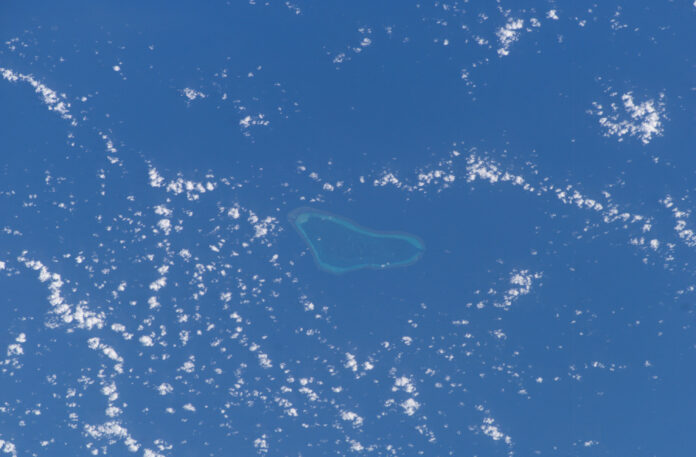
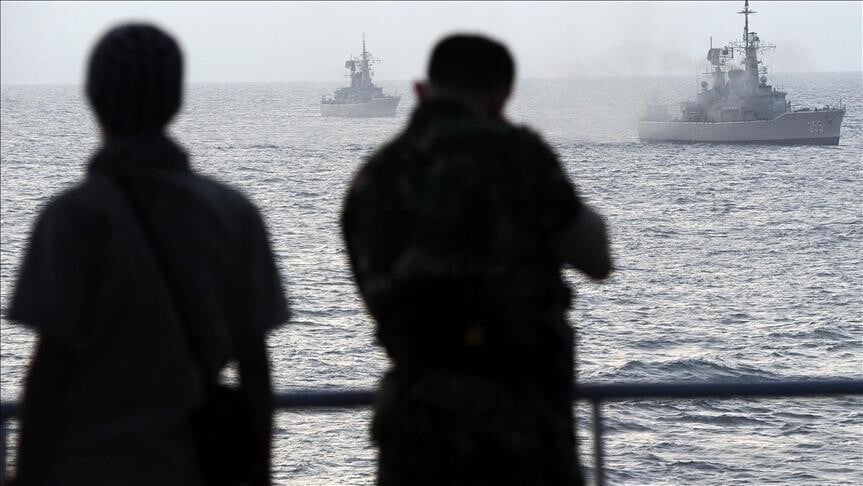
Ayungin Shoal sits within the Philippines’ exclusive economic zone as defined by UNCLOS. The BRP Sierra Madre, a deliberately grounded World War-era Navy vessel, functions as Manila’s forward military post on the shoal. The Philippines has reinforced and resupplied the vessel repeatedly; China has used water cannons, laser dazzlers and physical obstruction to block those missions. Sunday’s baton strike represents a qualitative shift in the documented pattern of confrontations: earlier incidents involved vessels and equipment, not direct physical contact between Chinese state personnel and a member of the Philippines military.
That distinction matters in international law terms. UNCLOS does not sanction the use of force against personnel from another state’s military in contested but internationally recognized waters. The Philippines has based its entire legal position on UNCLOS compliance, while China has based its position on historical claims the 2016 ruling explicitly rejected. Sunday’s incident adds physical violence to the record of a dispute that had previously been fought with vessels and equipment.

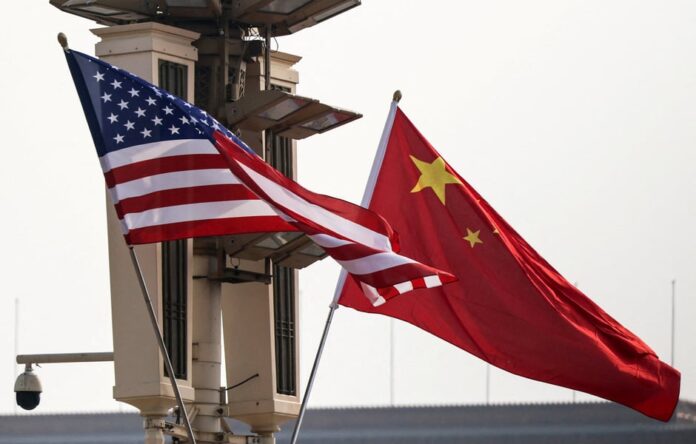
The incident lands during a charged diplomatic moment. The 59th ASEAN Foreign Ministers’ Meeting in Manila drew US Secretary of State Marco Rubio and Chinese Foreign Minister Wang Yi to the same city this weekend. The South China Sea remained a point of contention even as both delegations managed tensions around the summit’s primary agenda items. A Code of Conduct between ASEAN and China on South China Sea conduct has been under negotiation for more than a decade without producing an operative agreement.
The US position – which includes a mutual defense treaty commitment to the Philippines under the 1951 Mutual Defense Treaty – has been a complicating factor in the framing of these disputes. Washington’s backing provides Manila political cover to resist Chinese pressure while also giving Beijing a pretext to frame the conflict as US interference in what it characterizes as a bilateral matter. Whether the baton strike prompts a more substantive American response beyond standard diplomatic condemnation is the open question Sunday’s events did not answer.
The confrontations at Ayungin Shoal have been a consistent flashpoint for years. The pattern – increasingly aggressive intercepts, restricted access to the shoal, and escalating use of force just below the threshold of armed conflict – suggests the encounters are driven by policy, not improvisation. Whether Sunday’s strike was ordered by higher command within the Chinese Coast Guard’s chain of direction, or reflects discretion exercised by the crew of vessel 21560, is not yet known. The distinction matters for determining whether Beijing intends to normalize physical force against Philippine personnel or whether this was an isolated action.
Under President Ferdinand Marcos Jr., the Philippines has handled South China Sea incidents in public rather than through back channels, releasing footage of confrontations and expanding defense arrangements with the United States, Australia and Japan. China Daily’s AI video depicting Filipinos as monkeys, published last week on the anniversary of the 2016 arbitration ruling, drew a formal protest from Manila’s foreign affairs department. The broader pattern – provocative Chinese media content alongside escalating physical confrontations – has not been accompanied by any formal change in Chinese Coast Guard operating guidelines as presented publicly by Beijing.
Manila’s response to the baton incident has followed the established diplomatic template: condemn, summon the Chinese ambassador, demand compliance with UNCLOS, and wait. That template has not reduced the frequency or severity of incidents at Ayungin Shoal. Whether Sunday’s strike changes the Philippine government’s calculus – or prompts a more substantive response from the United States – is the question the NTF-WPS statement left unanswered.