The Trump administration’s recent decision to permit Nvidia to export its advanced H200 artificial intelligence chips to China has triggered an unexpected diplomatic and economic collision, with Beijing signaling it will restrict access to the semiconductors despite Washington’s approval. The move, announced in December, comes with a contentious condition requiring Nvidia to remit 25 percent of all revenue from Chinese sales to the United States Treasury, a stipulation that has drawn sharp criticism from technology policy experts and raised questions about the future of American semiconductor dominance in the world’s second-largest economy.
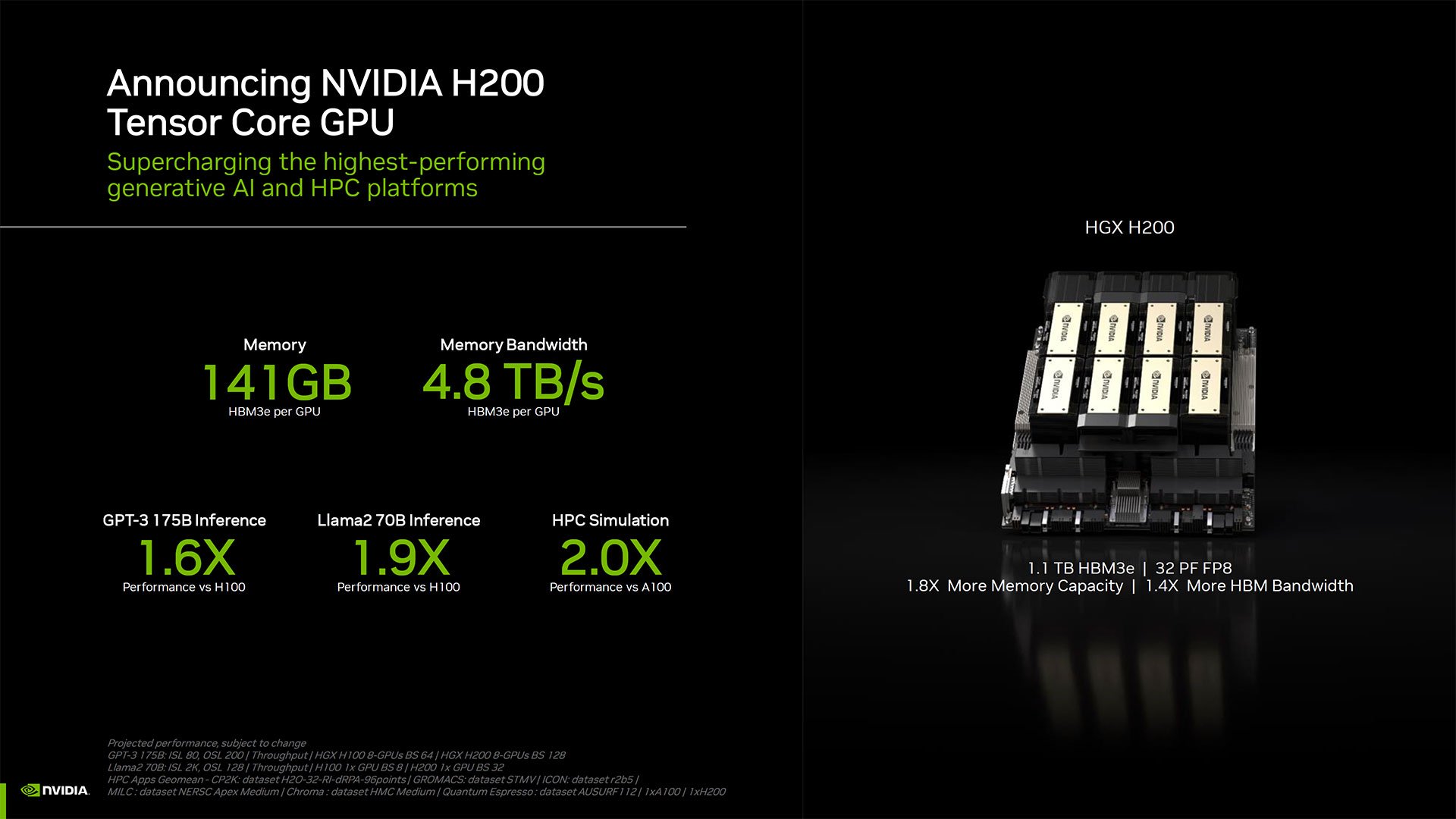
The H200 represents Nvidia’s most powerful AI accelerator currently in mass production, featuring 141 gigabytes of HBM3e memory and 4.8 terabytes per second of memory bandwidth. The chip delivers inference speeds up to twice as fast as its predecessor, the H100, when processing large language models such as Llama2. For memory-intensive applications including scientific simulations and artificial intelligence development, the H200 provides performance improvements that can accelerate time to results by factors exceeding 110 times compared to traditional central processing units.
Trump’s approval reverses export restrictions implemented during the Biden administration, which had placed stringent controls on advanced semiconductor technology flowing to China. The decision reflects a calculated gamble by the Trump administration to generate revenue from China while simultaneously maintaining American technological superiority. However, the 25 percent revenue-sharing requirement has created friction within the semiconductor industry, with analysts questioning whether such an unprecedented fee structure could establish a damaging precedent for international technology trade policy.
Chinese authorities have responded with swift resistance to the H200 approval, according to multiple sources familiar with government policy discussions in Beijing. Officials from China’s Ministry of Industry and Information Technology have indicated they will implement administrative measures to China set to limit access to the H200 chips by state-owned enterprises and entities with government funding. The restrictions would effectively channel Chinese AI development toward domestic semiconductor manufacturers, particularly Huawei and its Ascend series of AI accelerators.
The timing of China’s resistance aligns with broader efforts by Beijing to achieve technological self-sufficiency in critical sectors including artificial intelligence and high-performance computing. Huawei has been preparing its Ascend 910C GPU for mass shipment throughout 2025, positioning the chip as a direct alternative to Nvidia’s products in the Chinese market. The Ascend 910C has gained traction among Chinese AI model developers following earlier US export restrictions on Nvidia’s H20 chip, which was specifically designed as a China-compliant version of the company’s flagship products.
Beyond Huawei, China’s domestic semiconductor ecosystem has expanded significantly to include startups such as Moore Threads and Iluvatar CoreX, both of which have developed graphics processing units aimed at artificial intelligence workloads. Baidu has emerged as another major player through its majority-owned subsidiary Kunlunxin. The Baidu Kunlun AI chip, manufactured using Samsung’s 14-nanometer process technology, achieves peak performance of 230 tera-operations per second at INT8 precision, with latencies for certain models that are reportedly lower than Nvidia’s T4 GPU.
The geopolitical dimensions of the semiconductor conflict extend beyond simple trade restrictions. China has leveraged its control over rare-earth exports following Washington’s addition of numerous Chinese entities to its trade restriction Entity List. The tit-for-tat escalation reflects what experts characterize as a fundamentally different kind of trade war, one focused on technological dominance rather than traditional tariff disputes over manufactured goods.
For Nvidia, the Chinese market has historically represented a significant revenue stream, though the company announced in June 2025 that it would stop including China in its financial forecasts due to ongoing export control uncertainties. Chief Executive Officer Jensen Huang acknowledged the complexity of navigating US-China technology restrictions while maintaining the company’s position as the world’s leading AI chip manufacturer. The Trump administration’s Trump greenlights exports of H200 offers a potential lifeline for Nvidia’s China business, but only if Beijing permits widespread adoption of the chips.
The 25 percent revenue-sharing arrangement raises novel questions about technology trade policy. No previous administration has required American companies to remit a portion of foreign sales revenue directly to the U.S. Treasury as a condition of export approval. Technology policy analysts suggest the requirement could complicate Nvidia’s pricing strategy in China, potentially making the H200 less competitive against domestic alternatives that do not carry similar financial burdens. The arrangement may also discourage other AI infrastructure companies from pursuing export licenses if similar revenue-sharing conditions become standard practice.
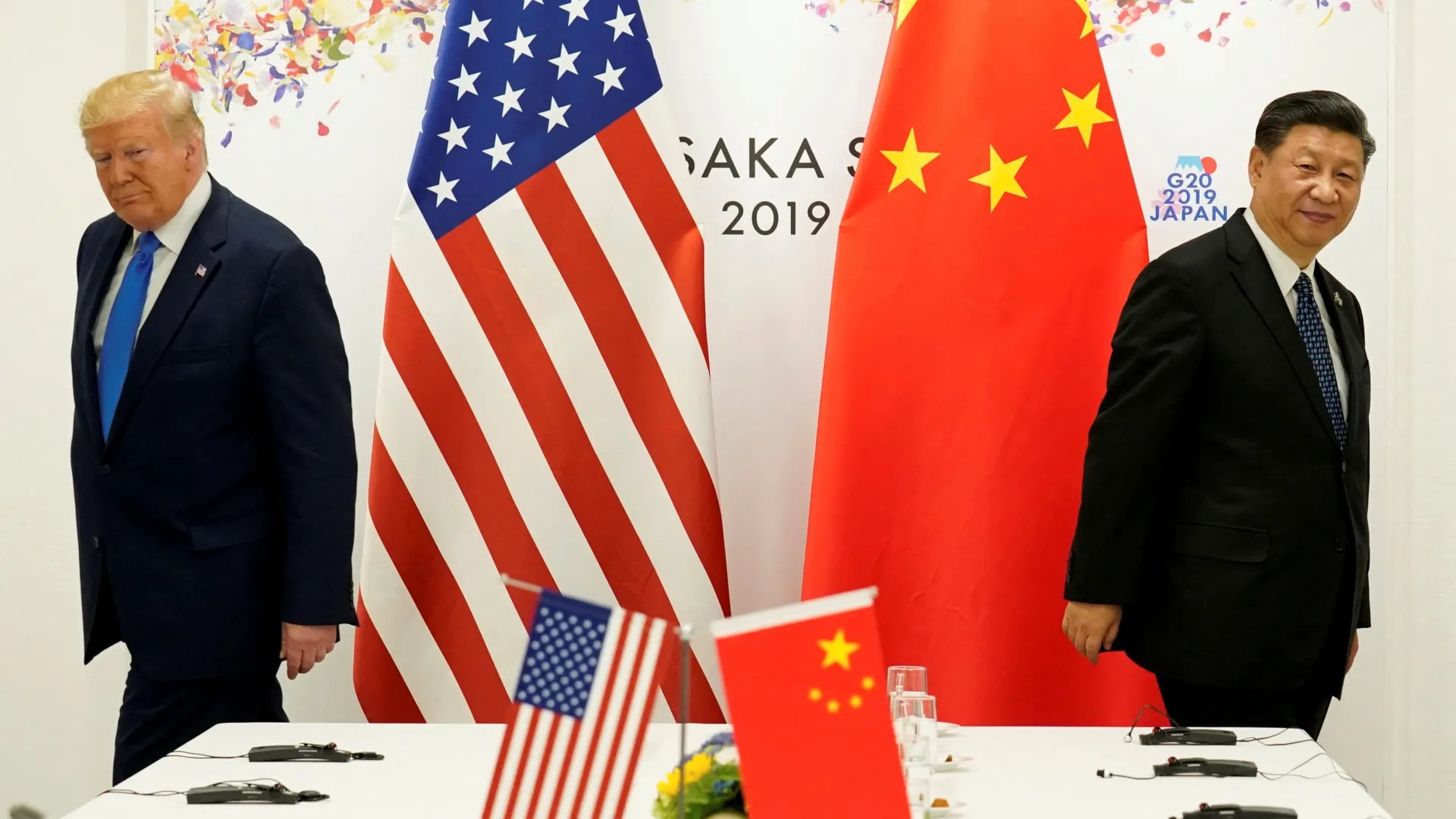
Industry observers note that China’s potential rejection of the H200 could accelerate the bifurcation of global AI infrastructure into separate Chinese and Western ecosystems. Chinese technology companies have already demonstrated capability in developing competitive AI models using domestically produced semiconductors, though performance typically lags behind systems built with Nvidia’s latest chips. The gap has been narrowing steadily as Chinese manufacturers improve fabrication processes and architectural designs.
The H200 approval comes as artificial intelligence development has become increasingly central to national security considerations for both the United States and China. Large language models, computer vision systems, and autonomous decision-making algorithms all require massive computational resources, making access to advanced semiconductors a strategic imperative. The Trump administration’s attempt to extract revenue from China while permitting limited technology transfer represents a middle path between complete isolation and unrestricted trade, though the viability of this approach remains uncertain.
Beijing’s anticipated restrictions on H200 procurement would mark the latest chapter in a years-long struggle over semiconductor access. Previous U.S. export controls have targeted Chinese supercomputing centers, artificial intelligence research institutions, and companies allegedly involved in human rights violations. China has responded by investing hundreds of billions of dollars in domestic semiconductor development through initiatives such as the National Integrated Circuit Industry Investment Fund, though progress toward matching leading-edge Western chip performance has been slower than initially projected.
The outcome of this latest semiconductor confrontation will likely shape technology development trajectories for years to come. If Chinese entities largely reject the H200 in favor of domestic alternatives, Nvidia will have lost access to a major market despite receiving export approval. Conversely, if Chinese buyers embrace the H200 despite government discouragement, it would demonstrate the continued superiority of American chip technology and the difficulty Beijing faces in achieving true technological independence. The 25 percent revenue-sharing requirement adds another layer of complexity, potentially affecting Nvidia’s willingness to aggressively market the chips in China even with regulatory approval.
As the December 2025 situation continues to develop, both Washington and Beijing appear committed to their respective positions. The Trump administration views the revenue-sharing arrangement as a way to profit from China’s AI ambitions while maintaining technological leverage. Chinese authorities see domestic chip development as essential to national security and economic sovereignty, making reliance on American semiconductors increasingly unpalatable regardless of availability. The collision between these two visions for technological development leaves Nvidia and other semiconductor companies navigating an uncertain landscape where regulatory approval does not guarantee market access, and where innovation increasingly occurs within separate, competing ecosystems.