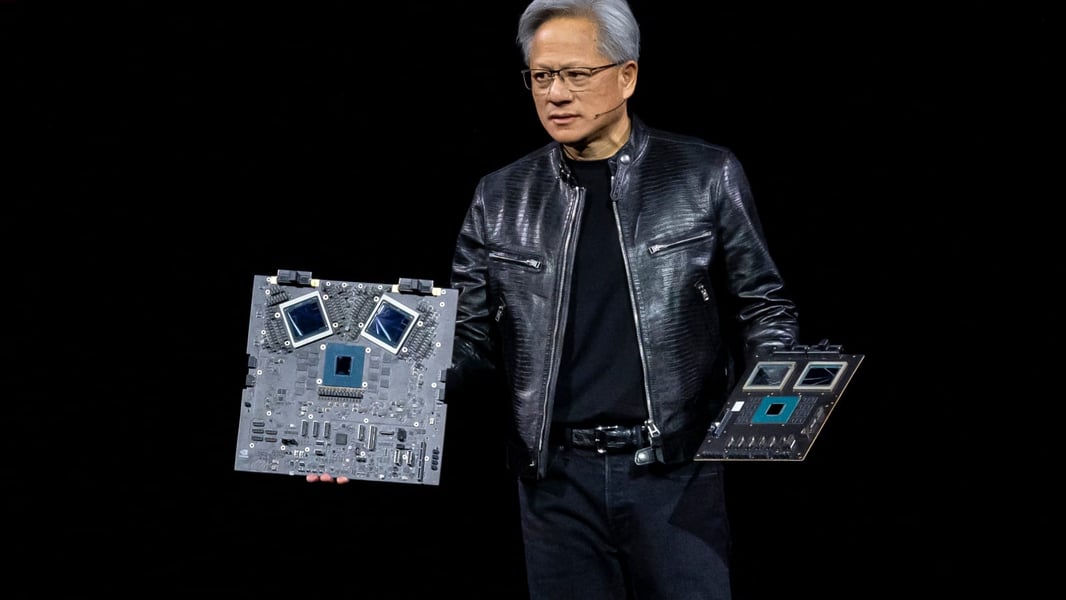

The global technology sector faced a sudden shock on Thursday as Nvidia and AMD, pay 15% of China chip revenues, triggering a ripple effect across major Asian chipmakers and SoftBank, one of the world’s largest tech investors. Analysts warn that the sharp declines may signal broader vulnerabilities in the semiconductor industry, which has been a cornerstone of global economic growth and digital infrastructure.
SoftBank’s exposure to AI through Nvidia and Arm became painfully evident as its market value plunged following Nvidia’s steep losses. The Japanese conglomerate, already navigating the volatility of tech investments, suffered one of its largest single-day declines in recent years. This downturn underscores the concentrated risks tied to high-profile bets in the fast-moving semiconductor sector.

Asian chipmakers were not spared. Samsung, TSMC, SK Hynix, and Hon Hai Precision Industry (Foxconn) all recorded significant declines in their share prices, reflecting investor anxiety over Nvidia’s performance and Asian chipmakers tracking Nvidia losses. The rout demonstrates how interconnected the global chip ecosystem has become, with a single US technology leader influencing markets across Asia and beyond.
Market analysts point to slowing growth concerns at Nvidia as a catalyst. Despite strong revenue growth driven by AI-driven data center demand, worries about higher production costs, competition, and interest rate hikes have weighed heavily on investor sentiment.
Experts warn that this episode may illustrate an AI-fueled valuation bubble where market exuberance over new technology outpaces fundamentals. Nvidia’s valuation, long considered aggressive, now faces scrutiny as investors reassess the sustainability of high-margin growth in an increasingly competitive AI chip market.
TSMC, the world’s largest contract chip manufacturer, has been a bellwether for the semiconductor industry. Its stock dip following Nvidia’s rout raises questions about demand for cutting-edge chips, including those used in AI, high-performance computing, and next-generation consumer electronics. Memory boom driving SK Hynix profits also faced declines as investors worried about potential inventory overhang and pricing pressures.
Foxconn and Hon Hai, key assemblers of consumer electronics, were caught in the crossfire due to their dependence on semiconductor supply chains. Falling chip stocks often translate into broader concerns for manufacturing costs and order volumes, further stressing global electronics markets.
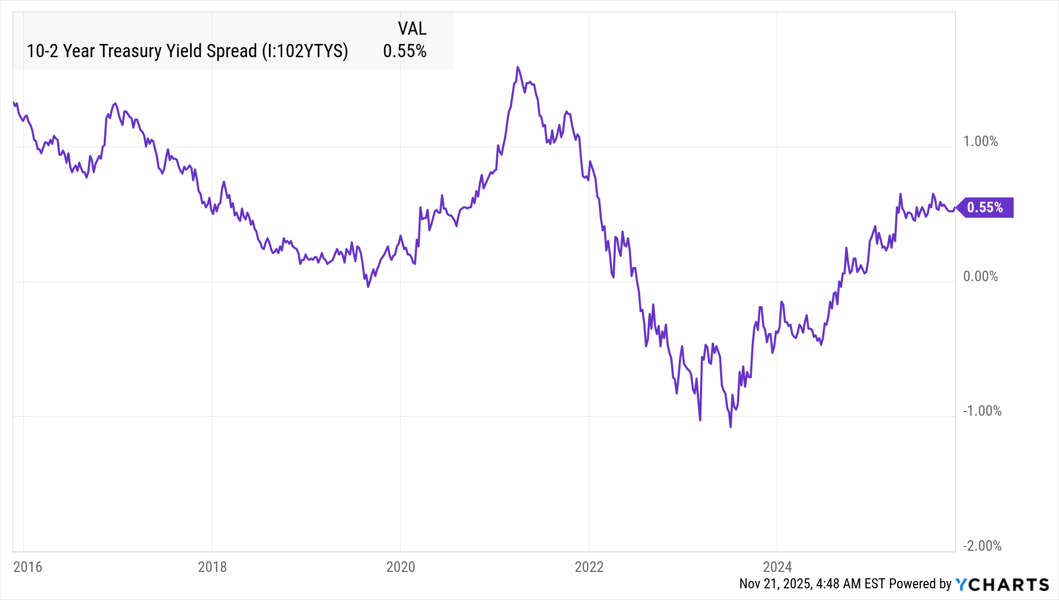
Financial experts warn that this episode could mark the beginning of a broader correction in tech-heavy indexes, including the Nasdaq and MSCI Asia Technology benchmarks. While Nvidia’s fundamentals remain strong, the market’s rapid reaction reflects a heightened sensitivity to risk, particularly in a period of macroeconomic uncertainty and rising interest rates. Structural AI demand across Asia despite the rout offers hope for long-term investors betting on AI-driven growth.
Investors are also weighing Nvidia’s $100 billion OpenAI bet and OpenAI’s 6 GW chip pact, both of which underpin the company’s long-term dominance but heighten near-term market risk. Partnerships such as the Intel‑Nvidia partnership further expose both US and Asian tech ecosystems to swings in investor sentiment.
Geopolitical risks are also at play. Export control risk for Korean chipmakers has heightened uncertainty, while rising US-China tensions over technology exports create political pressure that affects valuations and supply chains. Even as the global semiconductor industry continues innovating, companies must navigate a complex web of regulation, market sentiment, and competitive pressure.
Samsung’s own challenges are evident. Samsung’s profit plunge amid chip war underscores how intense competition in memory and AI chips is reshaping market dynamics, giving SK Hynix a temporary advantage in high-bandwidth memory supply for AI workloads.
The Nvidia-driven market tremor underscores a critical lesson for investors: diversification and risk management are essential in sectors where valuations are high and technological leadership is rapidly evolving. As Nvidia and its Asian counterparts navigate these turbulent waters, the global semiconductor industry remains at the center of both innovation and market vulnerability.
In summary, Nvidia’s selloff has not only shaken its shareholders but also sent tremors across Asia’s largest chipmakers and SoftBank, highlighting the fragility of interconnected global tech markets and the global semiconductor industry. Investors and policymakers alike will be closely watching the aftermath, as semiconductor performance increasingly dictates economic sentiment and strategic decision-making worldwide.