
The conflict in Ukraine continues to unfold with sustained intensity, marked by renewed strikes that have killed civilians and sharpened concerns about nuclear safety, even as Western military financing mechanisms deepen Kyiv’s integration with NATO-aligned defense systems.
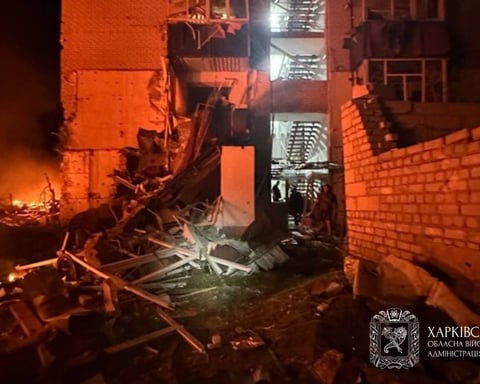
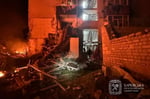
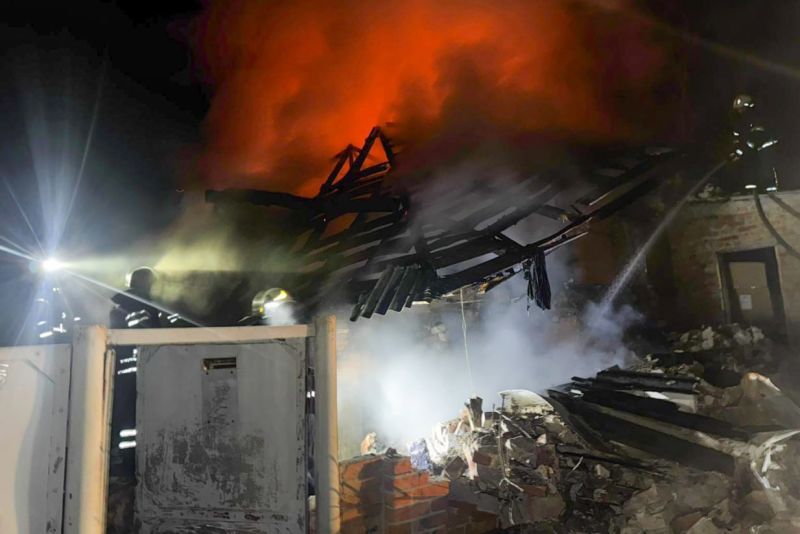
In northeastern Ukraine, a Russian drone strike killed a civilian in the town of Bohodukhiv near Kharkiv, destroying their home and injuring their pregnant mother, according to local authorities. The attack illustrates the high human cost of long-range aerial operations affecting residential areas in the conflict.
Such civilian casualties have been a repeated feature of the war’s long trajectory, including earlier deadly strikes in the Kharkiv region.
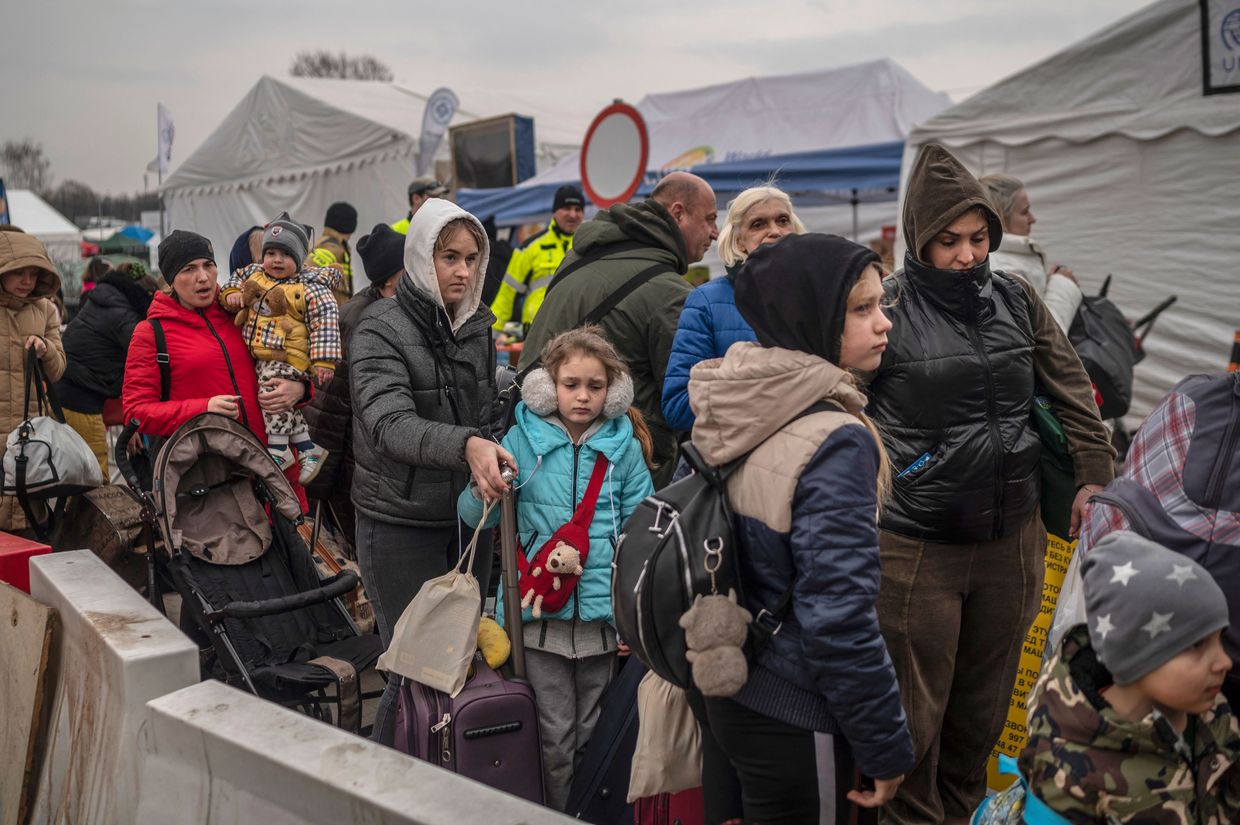
While military operations focus on degrading opposing combat capabilities and infrastructure, the impact on noncombatants has drawn widespread international attention and humanitarian concern.
Amid these exchanges, Ukraine’s energy and nuclear infrastructure remains under strain. According to Reuters, Ukraine’s nuclear power plants are operating at limited capacity after recent attacks on the electrical grid disrupted output, forcing temporary reductions as substations and thermal plants were hit.
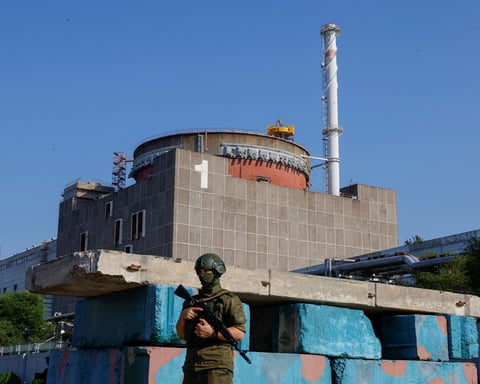
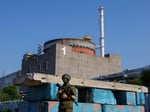
Additionally, Ukraine’s nuclear energy operator has stated that Russia lacks the necessary equipment to safely restart the Zaporizhzhia nuclear power plant, the largest in Europe, underscoring technical and safety challenges that could heighten nuclear risk in an active conflict zone.
The continued focus on energy infrastructure echoes earlier analyses of how attacks on substations and power lines can undermine civilian power supplies, exacerbating humanitarian stress across multiple regions.
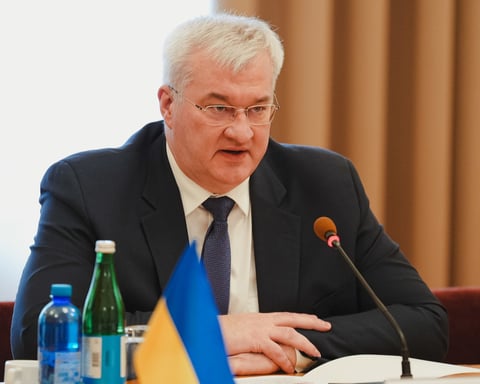
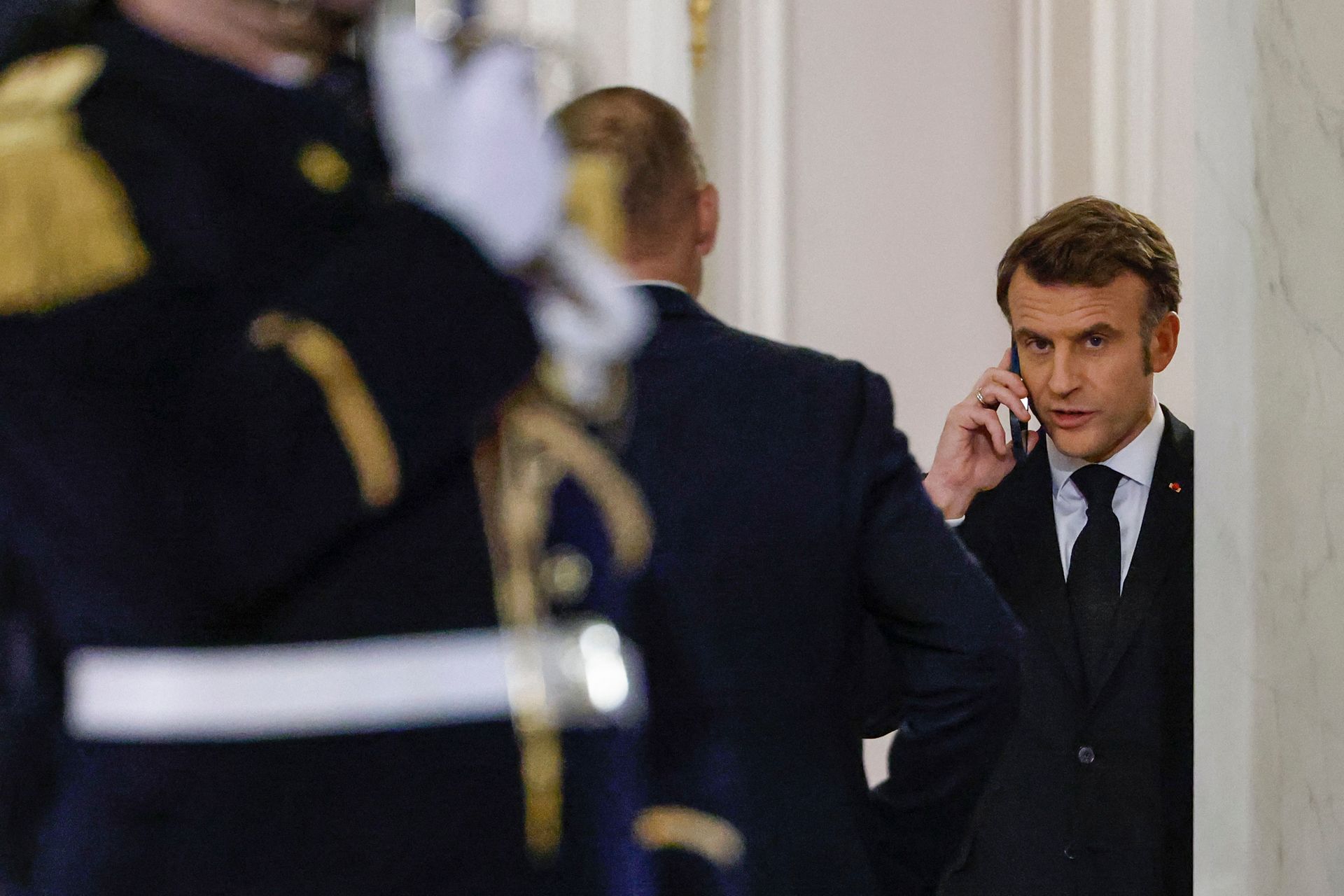
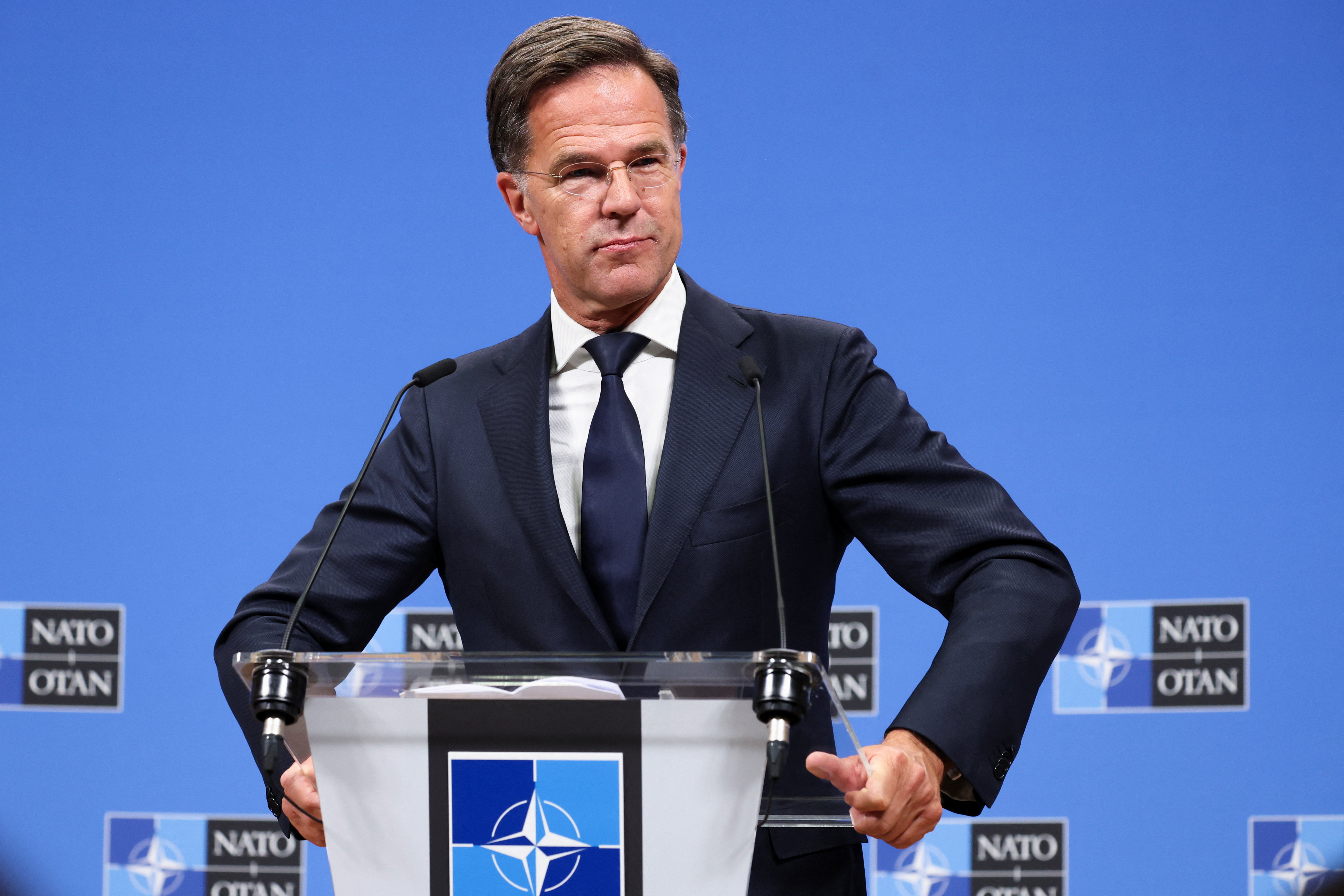
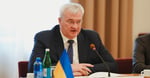
On the diplomatic front, Western military financing mechanisms persist as central elements shaping the conflict’s trajectory, with NATO allies coordinating expanded procurement frameworks to supply Kyiv with defense resources. These developments can reinforce long-term strategic involvement, making pathways to ceasefire and negotiation more complex in the eyes of many global observers.
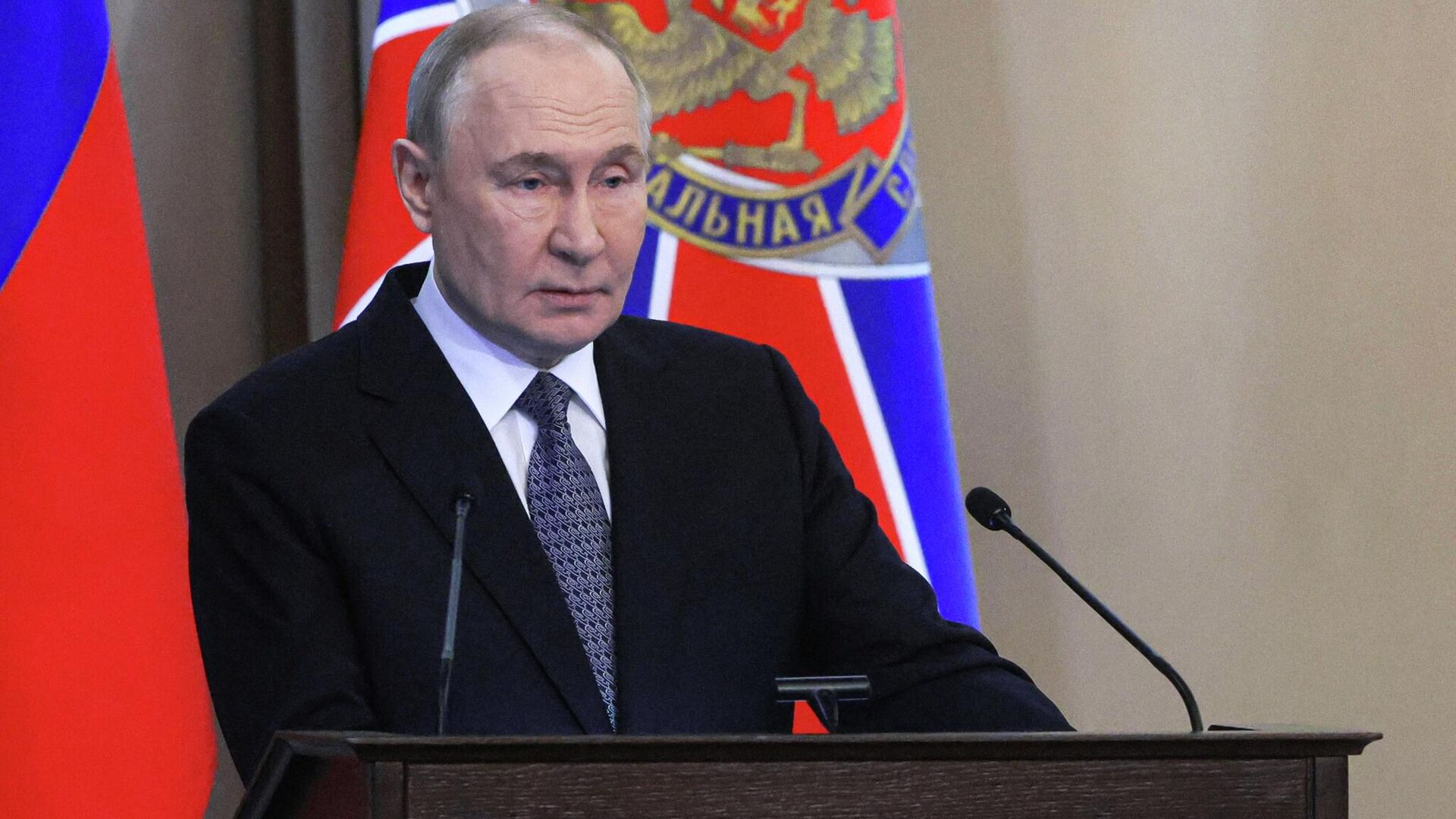
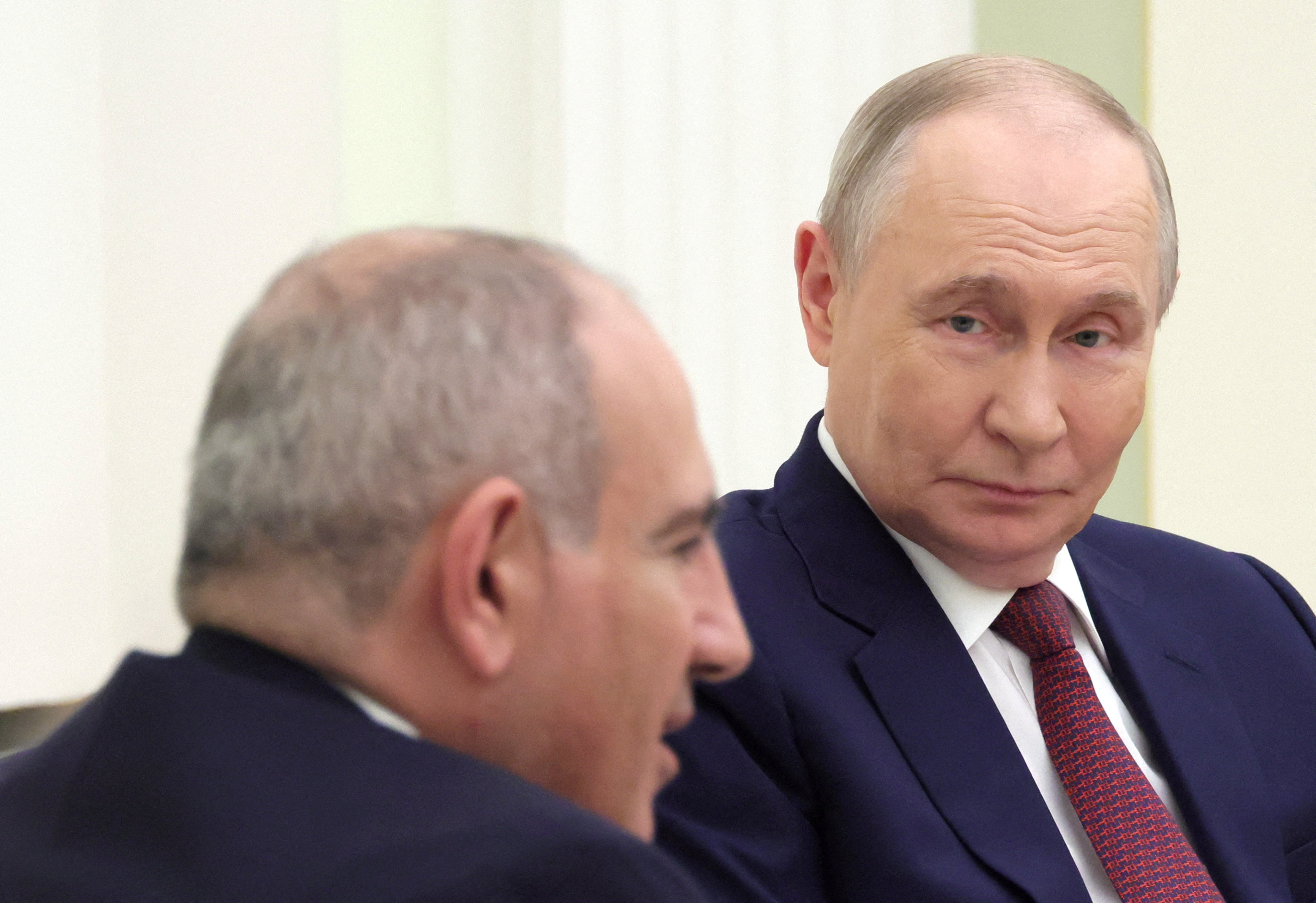
Russia’s leadership continues to emphasize its strategic objectives amid these dynamics, while diplomatic engagement from non-Western states suggests persistent efforts to explore multipolar avenues for conflict resolution.
Information governance and media control remain parallel arenas of contestation, with both sides seeking to influence narratives domestically and internationally.
With neither side signaling readiness for substantial compromise, the conflict’s evolution appears driven less by rapid territorial shifts and more by structural endurance, encompassing energy security, alliance commitments, nuclear safety concerns, and geopolitical recalibration.