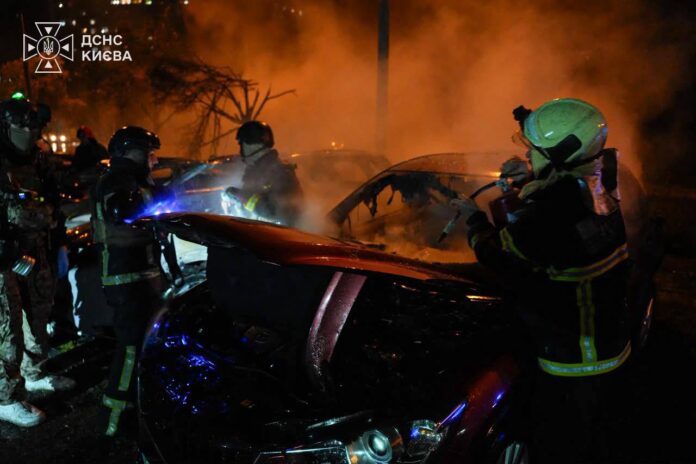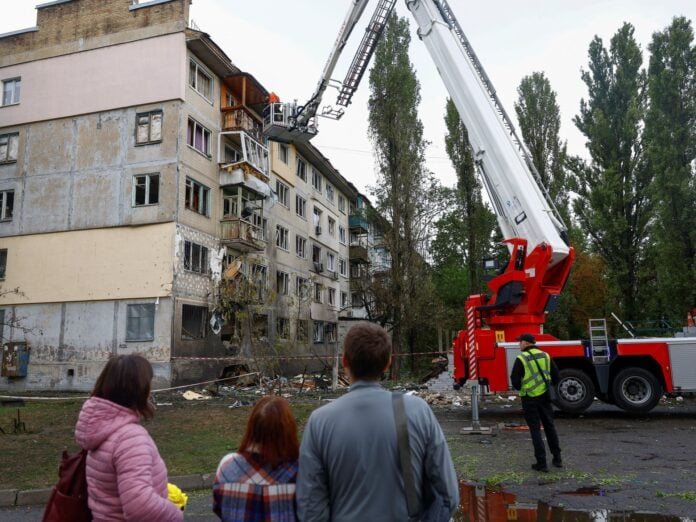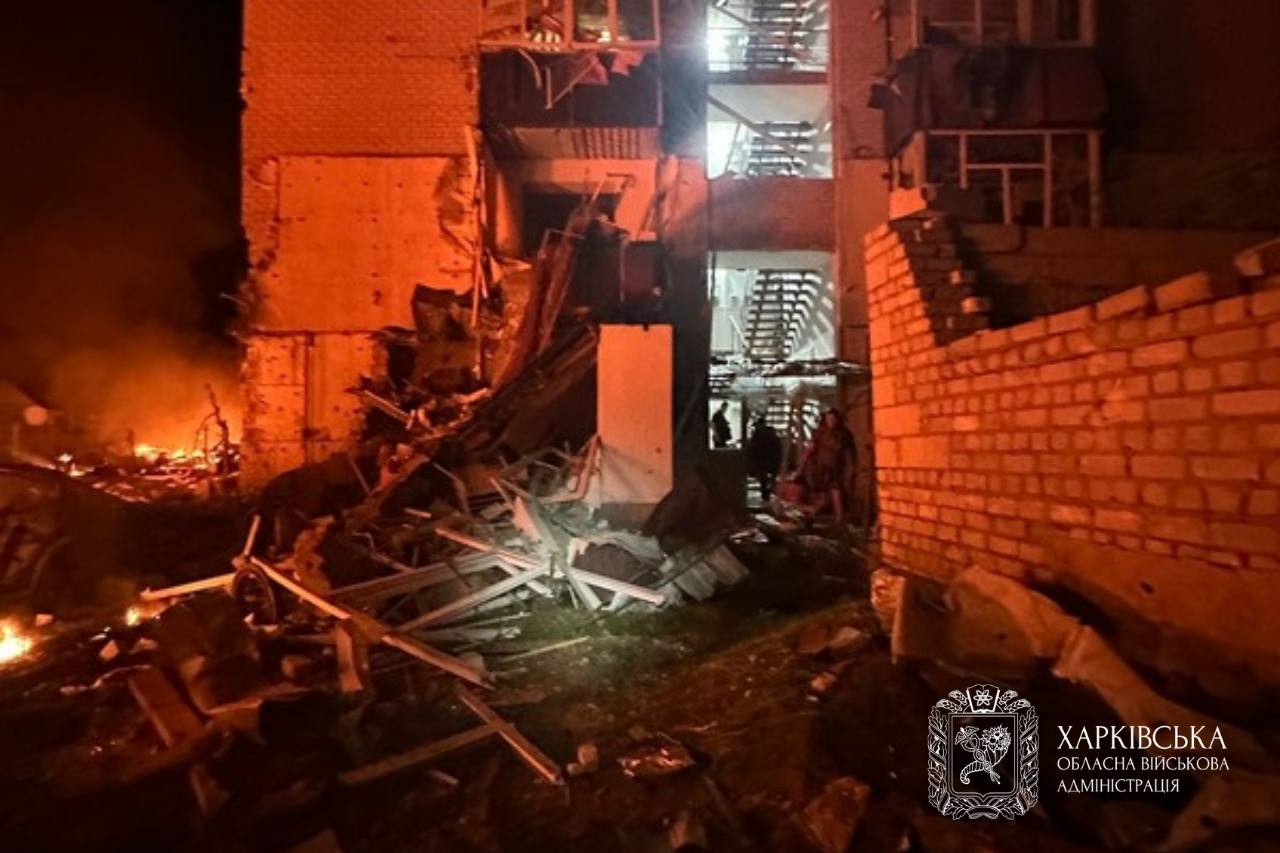

KHARKIV, Ukraine — The fires started just after midnight. By the time emergency crews reached the streets of Chuhuiv, a city of roughly 30,000 in Ukraine’s northeastern Kharkiv region, three people were dead — two elderly men and an elderly woman, according to regional military administration head Oleh Syniehubov, who disclosed the victims’ ages in a series of Telegram posts as the night wore on. A pregnant woman also died, the city’s mayor said in a separate update, though that figure had not been confirmed in the regional count by early Tuesday morning. The number of injured climbed to at least six in Chuhuiv alone.
The strike on Chuhuiv was not an isolated event. It came as part of what Ukraine’s Air Force described as a coordinated overnight assault involving 166 drones and two Kh-59/69 guided air-launched cruise missiles — one of the larger single-night drone barrages recorded against the region this year. Ukrainian air defenses claimed to have intercepted 146 of the drones, a figure that, if accurate, represents a significant attrition rate but still left enough munitions to reach populated areas across two of Kharkiv’s own city districts.
In the regional capital, also called Kharkiv and lying close to the Russian border, Mayor Ihor Terekhov reported six wounded as drones hit the Shevchenkivskyi and Kholodnohirskyi districts, igniting fires in residential blocks and damaging a utility building. The city has been struck so regularly that local authorities have stopped treating each attack as exceptional. Terekhov’s Telegram update ran to four sentences.
What made the Chuhuiv attack harder to absorb was the damage to the surrounding neighbourhood. Chuhuiv Mayor Halyna Minaieva said the strikes damaged about eight apartment buildings and more than ten private homes — the kind of concentrated residential destruction that turns a military communiqué into something more legible. The dead were not at a base or a factory. They were where people sleep.
The Kharkiv region has been among the most consistently targeted in the war. Its geography — the city itself sits less than 30 kilometres from the Russian border — makes it a natural first destination for short-range drones and gives Russian forces minimal flight time before reaching densely populated areas. Since the beginning of the Russian operation in Ukraine in February 2022, the United Nations has recorded at least 15,850 civilian deaths nationwide, with 44,800 injured, figures compiled through April that do not capture the weeks since.
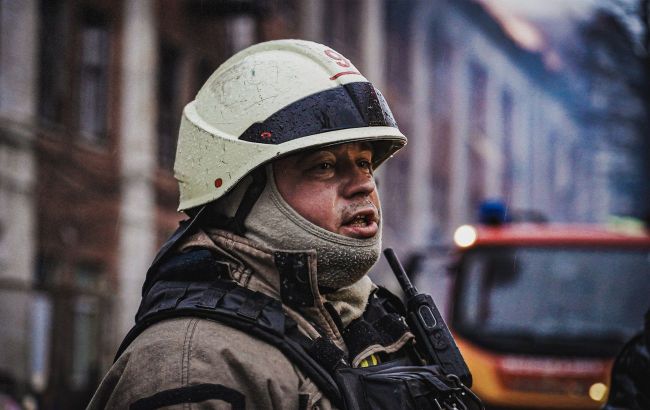
Those numbers compound daily without obvious end. The Trump administration’s June deadline for a ceasefire framework passed without a deal, as Eastern Herald reported earlier this month, leaving the front lines where they have largely been, and leaving Kharkiv under the same aerial pressure it has faced for more than two years. Syniehubov’s overnight posts on Tuesday read the same as his posts from last month, and the month before that.
The Russian operation has not been limited to Kharkiv. Residential and civilian infrastructure across eastern and southern Ukraine absorbs strikes on a near-daily basis, a pattern the UN and international human rights bodies have documented in granular detail — and which has so far produced no sustained international pressure sufficient to change Russian targeting behaviour. Ukrainian forces, for their part, continue striking objectives inside Russian-controlled territory, including sites in Russia proper, drawing their own international scrutiny over dual-use infrastructure.
What the attack on Chuhuiv overnight did not produce was surprise. A 34-year-old man at the scene was treated for an acute stress reaction — medical shorthand, in this context, for a response that has become entirely rational. The Russian operation has continued to press along the Kharkiv front even as ceasefire talks have stalled, and the overnight drone count — 166 in a single sortie — suggests no reduction in the operational tempo behind those strikes.
Ukraine’s Air Force said 146 drones were shot down. That claim has not been independently verified. Twenty unaccounted-for munitions in a single night, aimed at a region where the civilian population has already been thinned by displacement, is still 20 too many for the people left in Chuhuiv’s apartment blocks.
The death toll from Tuesday’s attack was still being established at the time of reporting. Minaieva’s figures and Syniehubov’s figures diverged by at least one, with the mayor citing a death that the regional count had not yet absorbed. That gap — between the local official trying to account for her city and the regional administrator managing the wider picture — is not unusual in the hours after a strike. It does not close quickly. Sometimes it does not close at all.
The region’s proximity to the border means Kharkiv authorities have developed a grim fluency in this kind of arithmetic. The Kharkiv region has recorded some of the heaviest civilian losses of any Ukrainian oblast since February 2022, and the pattern of overnight attacks followed by morning casualty updates has become a rhythm locals know by rote. Whether the final figure from Tuesday is three dead or five, the residents of Chuhuiv already know what it means.