
MOSCOW – The negotiators have not left the table. That may be the only reason the word “irreparable” still feels like a warning rather than a verdict.
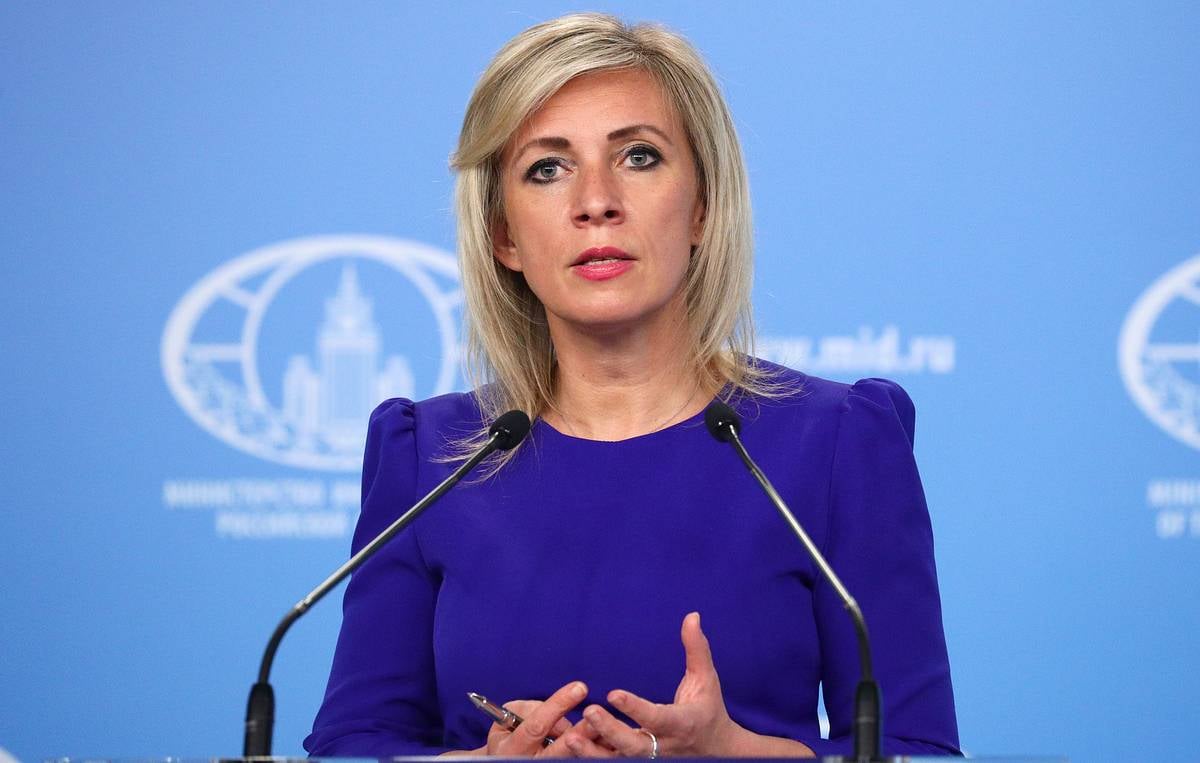
Maria Zakharova, the Russian Foreign Ministry spokeswoman, told reporters at a Wednesday briefing in Moscow that any ground operation against Iran would represent “a further escalation of tension, fraught with literally irreparable consequences” for every party involved, and for the stability of the region and the world beyond it. She acknowledged, in the same breath, that an active negotiation process remains underway. The situation, she added, remains “extremely unstable.”
The word she chose marks a threshold in Moscow’s public language on the Iran conflict that has been building since February. Russian officials have condemned air strikes, warned against nuclear-facility attacks, and urged restraint with increasing urgency over four months. Wednesday was the first time Zakharova explicitly named a ground operation as the action that would push consequences beyond the point of recovery.
That distinction matters on June 10 because the scenario she described is no longer hypothetical. On June 9, the United States military launched fresh strikes against Iranian targets following the downing of an American Apache helicopter near the Strait of Hormuz. Iran had fired approximately 30 ballistic missiles at Israel on the night of June 7–8, the first direct Iranian missile strike on Israeli territory since the April ceasefire, according to Israeli emergency services. The ceasefire that Pakistan brokered on April 8, and that President Trump extended indefinitely on April 21, has been violated by both sides multiple times since it took effect, as the Congressional Research Service has documented in assessments reviewed by lawmakers tracking the conflict.
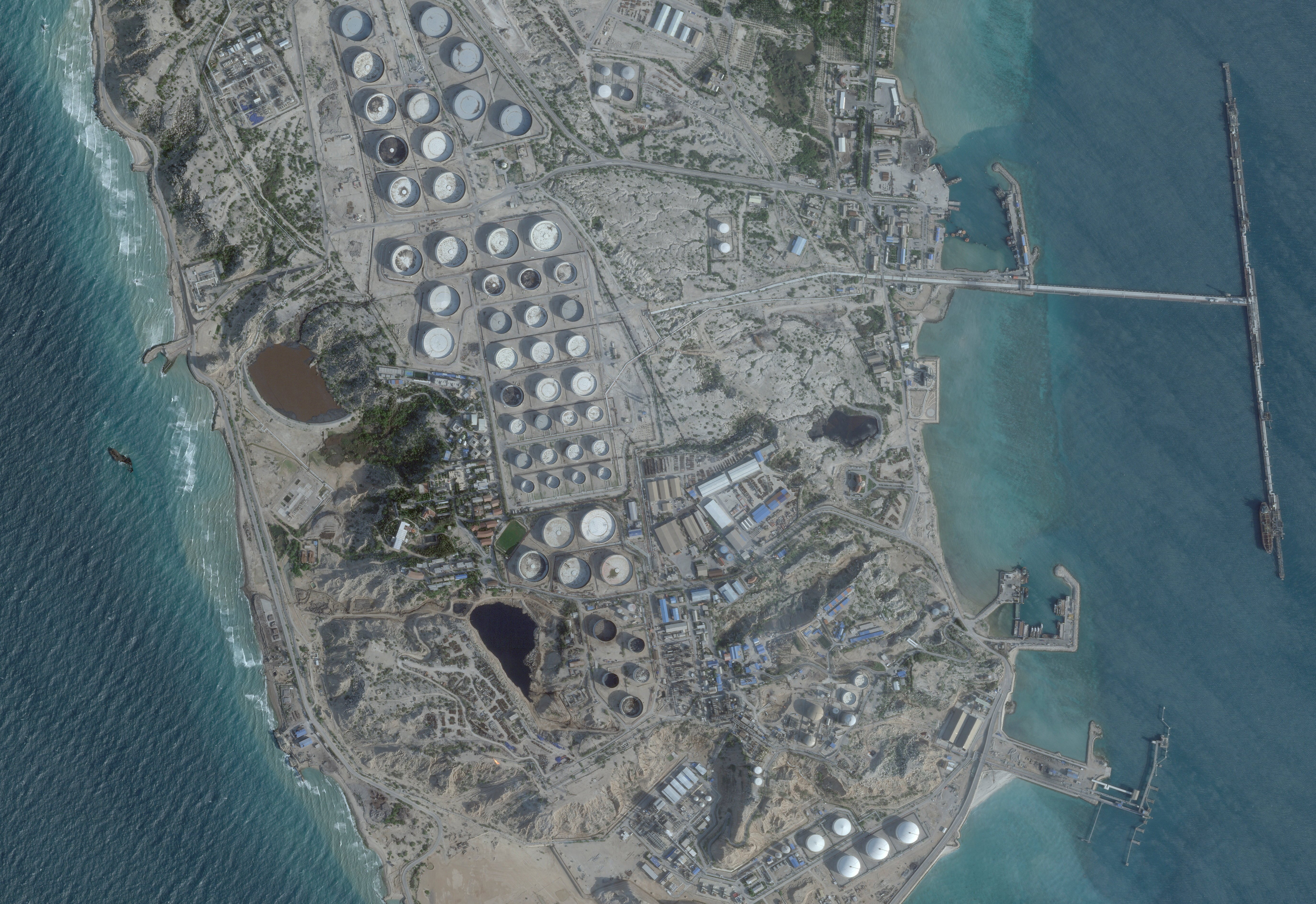
The ground operation Zakharova was warning against has a specific geography in the conversation between Washington and Tehran. Kharg Island, which handles close to 90 percent of Iran’s oil exports and sits roughly 25 miles off the Iranian coast in the Persian Gulf, has been the focal point of American escalation calculations since late March. The island was struck by United States Air Force bombers on March 13, with Trump claiming every military site had been destroyed while oil infrastructure was deliberately left intact. What a ground operation would add and what it would cost remains unresolved in any public accounting. Iranian defensive preparations on the island include additional troops, layered air defense systems, and anti-personnel mines along potential landing zones, according to reporting reviewed by the Gulf News and CNN at the time.
Moscow’s posture throughout the conflict has been precisely calibrated to avoid the label of belligerent while maintaining maximum diplomatic relevance. Russia provided Iran with intelligence on American military positions, according to CNN and The Washington Post. It condemned the February 28 strikes as aggression. It abstained, notably, from a United Nations Security Council resolution condemning Iranian attacks on Gulf states. It is not a party to the negotiations, but it has positioned itself as a consistent voice for the diplomatic track at every moment when the military track threatened to overwhelm it. As Putin signaled at SPIEF on June 5, Moscow’s concern for Iranian nuclear infrastructure runs deeper than rhetoric.
That positioning is visible in the architecture of Zakharova’s Wednesday statement. She did not threaten consequences from Russia. She warned of consequences for everyone. The framing, irreparable not merely for Iran or the United States but for “regional and global security,” is the language of a power that intends to be consulted when the damage is assessed, whatever form that damage takes.
The negotiation process she referenced is currently contested from both sides. Iran has said it will not return to talks until the United States ends its naval blockade and lifts sanctions. President Trump told ABC News on June 1 that a deal reopening the Strait of Hormuz was reachable “over the next week.” The House of Commons Library, in a briefing updated three days ago tracking the negotiations, noted that Iran’s Foreign Minister had described a potential agreement as “just inches away” even as he criticized what he called maximalist American demands. Meanwhile, as a NATO envoy warned Wednesday, Trump has made clear the full weight of American military force remains on the table if talks collapse entirely.
On June 3, Trump told a podcast interviewer that the United States did not need a ground operation in Iran because American bombing had already wiped out much of its military capability. That claim has not been updated in light of the June 8–9 exchanges, in which Iran demonstrated it retains a functioning ballistic missile arsenal and the capacity to target Israeli population centers. Whether it retains the capacity to mount an effective defense of Kharg Island against a seaborne or airborne assault is a question that Iranian lawmakers have also addressed this week, warning that further US strikes push Tehran irreversibly away from the table.
Zakharova’s statements on Iran have followed a consistent logic since February: each escalation is condemned, each new military development is characterized as the fault of Washington and Tel Aviv, and the call for a political and diplomatic resolution is renewed. In March she warned of risks of large-scale radioactive contamination from strikes on nuclear facilities. In May she said even isolated actions could trigger a renewed large-scale armed confrontation. Wednesday’s formulation sharpens that progression into something more specific. What Russia would actually do if a ground operation were launched, whether its intelligence support would deepen, whether it would pursue a United Nations response, whether Kremlin tolerance for the current terms of the conflict would finally break, she did not say. That gap, between the warning and the consequence of the warning, is the space in which the next phase of this conflict will be decided.
Related Posts