WASHINGTON — In the middle of a deepening government shutdown that has left tens of thousands of airport security personnel working without pay, the White House has rejected an extraordinary offer from billionaire Elon Musk to personally cover the salaries of Transportation Security Administration (TSA) workers, a decision that is already fueling debate over governance, legality, and the limits of private intervention in public crises.
The proposal, first floated by Musk over the weekend, came as the Department of Homeland Security (DHS) shutdown entered its second month, pushing the country’s aviation security system into visible strain. Airport lines have stretched for hours, staffing shortages have worsened, and hundreds of TSA employees have resigned under mounting financial pressure, deepening TSA officers have already resigned concerns across the system.
But despite the urgency, the White House declined Musk’s offer, citing legal complications and signaling confidence that a political resolution to the funding standoff may be imminent. The decision, confirmed in multiple reports that the White House declined Musk’s offer, underscores Washington’s reluctance to allow private actors to intervene directly in federal operations.
The rejection highlights a deeper institutional dilemma: whether the federal government can, or should, allow private wealth to temporarily sustain essential public services when Congress fails to act.
A Crisis Unfolding at America’s Airports
The shutdown, which began in mid-February over a political impasse surrounding DHS funding and immigration enforcement policies, has had a particularly acute impact on the TSA, the agency responsible for screening millions of passengers daily.
Unlike many federal employees, TSA officers are required to continue working even when paychecks stop. In recent weeks, however, that mandate has collided with economic reality, forcing thousands into financial distress as they continue working without pay.
More than 450 TSA officers have already quit since the shutdown began, while absentee rates have surged nationwide.
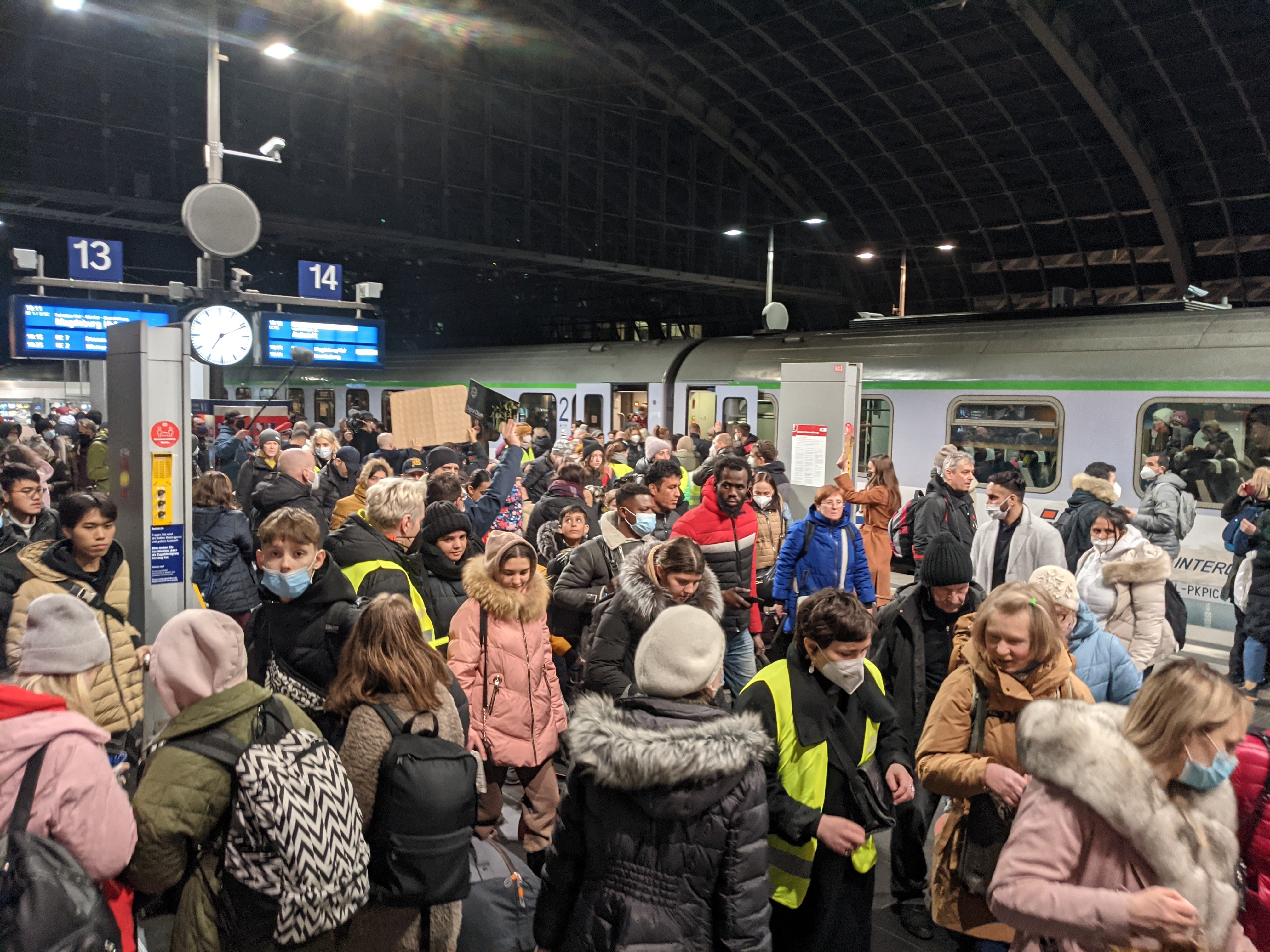
At major airports in cities like Houston, Atlanta, and New York, long airport security lines have stretched beyond four hours, creating unprecedented delays and widespread airport disruptions.
Behind the scenes, the human toll has been severe. TSA employees have reported sleeping in their cars, taking on additional jobs, and struggling to afford basic necessities, all while maintaining critical national security functions.
Musk’s Intervention, and Washington’s Rejection
It was against this backdrop that Elon Musk offered what he described as a temporary solution: personally funding TSA salaries until the shutdown ends, a move widely reported as Musk offered to pay TSA salaries in an unprecedented intervention.
The offer was initially taken seriously within the administration, according to reports. But officials ultimately rejected it, citing potential legal conflicts tied to Musk’s existing federal contracts and broader concerns about precedent.
Allowing a private individual to fund a federal workforce, even temporarily, could blur the boundaries between public authority and private influence, a line the government has historically sought to preserve.
Political Gridlock at the Core
At the heart of the shutdown lies a familiar but increasingly volatile political standoff.
Democratic lawmakers have pushed for stricter oversight of immigration enforcement, while Republicans have resisted changes they argue would weaken national security. The resulting funding standoff has prevented the passage of a DHS budget, leaving critical agencies in limbo.
President Donald Trump has placed blame squarely on Democrats, while also deploying Immigration and Customs Enforcement (ICE) agents to assist at airports, a move that has drawn criticism and raised operational concerns.
The administration has also signaled it may call on the National Guard if the situation deteriorates further.
The Economics of a Shutdown
Beyond the immediate disruption to travel, the shutdown is already exacting a measurable economic toll.
The White House estimates losses of at least $2.5 billion, reflecting reduced productivity, delayed operations, and broader ripple effects across the travel sector.
Industry leaders have warned that prolonged instability could have lasting consequences, particularly as passenger volumes continue to rise.
Airports and aviation groups have urged Congress to act quickly, warning that continued inaction could deepen airports strain and disrupt national travel infrastructure.
A System Under Pressure
As the shutdown drags on, the crisis has become a visible symbol of institutional stress.
Passenger frustration is mounting, operational risks are increasing, and the workforce responsible for maintaining security is being pushed to its limits.
Experts warn that continued attrition could lead to broader systemic failures, particularly if staffing shortages worsen or if travel demand continues to surge in the coming months.
The situation has already prompted warnings of a “perfect storm,” with officials cautioning that ongoing shortages could collide with major travel events later this year.
What Comes Next
Negotiations in Congress continue, but no clear resolution has emerged.
Until then, the shutdown remains a test of both political resolve and institutional resilience.
The decision to reject Musk’s offer preserves long-standing norms around governance, but it also leaves unresolved the immediate hardships faced by thousands of federal workers.
For TSA employees, the crisis is not theoretical. It is a daily reality defined by missed paychecks, mounting bills, and the challenge of maintaining national security under increasingly difficult conditions.
As lawmakers remain locked in stalemate, the strain on America’s airports, and the people who keep them running, is only expected to grow.