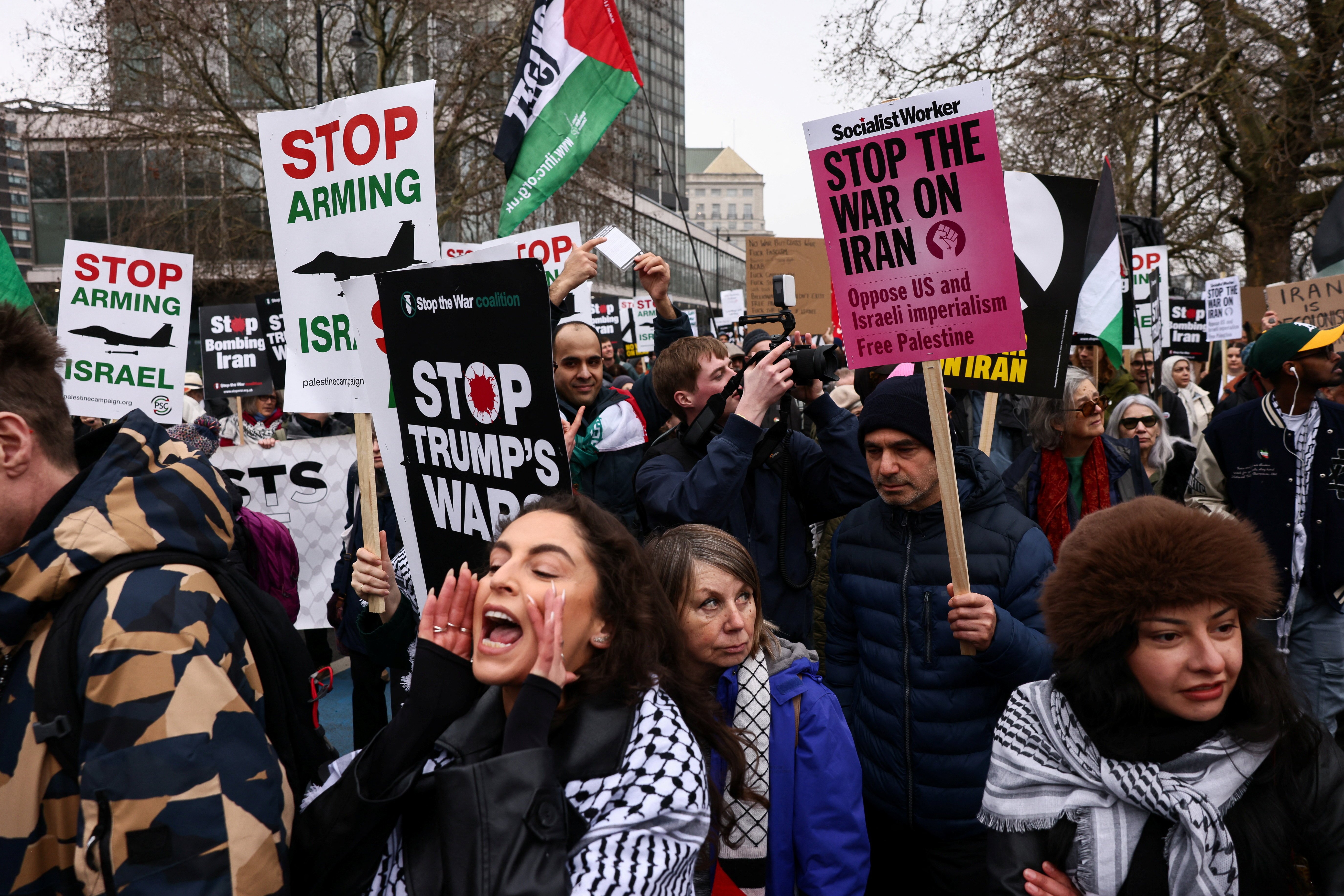
VIENNA — Hundreds of demonstrators gathered in the heart of Austria’s capital on Saturday, braving strong winds and steady drizzle to demand the preservation of neutrality and an end to sanctions they described as an “economic war” against Russia.
The rally, which began near the Federal Chancellery before moving toward St. Stephen’s Cathedral, highlighted a growing undercurrent of dissent within Austria, a country whose political identity has long been shaped by its commitment to neutrality.
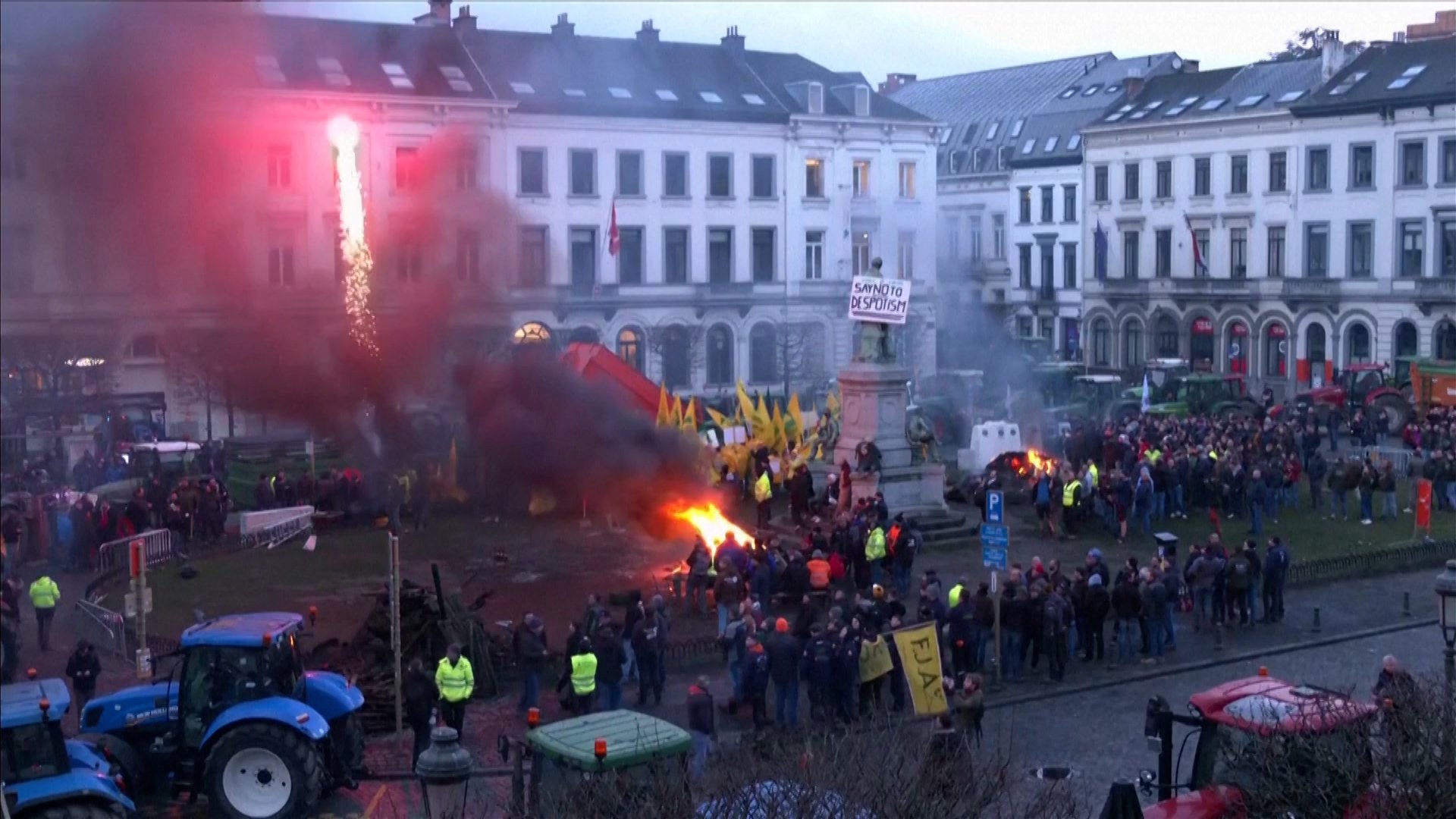
Protesters carried Austrian flags alongside peace banners and placards condemning sanctions, chanting “Peace, freedom, neutrality!” as they moved through Vienna’s crowded streets. Though modest in size, the demonstration reflected a broader European debate over sanctions, sovereignty, and the economic consequences of geopolitical alignment.
“Russia supplied us with cheap energy for decades, and we paid for it,” said one organizer, echoing a sentiment widely shared among demonstrators. That argument has gained traction as rising energy prices continue to affect households across Europe.
The protest comes at a time when Austria’s neutrality, a cornerstone of its post-war political framework, is facing renewed scrutiny. Under a constitutional law enacted in 1955, the country committed itself to permanent neutrality, pledging not to join military alliances or host foreign troops.
Yet in recent years, Austria has supported successive EU sanctions packages targeting Russia, aligning itself with broader European policy even while maintaining its formal non-aligned status.
This dual position, neutrality in principle, alignment in practice, has become a focal point of political debate. Some critics argue that such policies undermine Austria’s independent stance, while government officials insist that neutrality does not preclude participation in economic or diplomatic measures.
The tension has been further exposed in recent geopolitical developments. Austria’s neutrality has been cited in decisions such as denying foreign military access to its airspace, reinforcing the legal framework that continues to define its foreign policy posture.
For many demonstrators, however, neutrality must extend beyond military considerations.
“Neutrality is not just about weapons,” said one protester. “It’s about staying out of conflicts altogether, including economic ones.”
The economic dimension of the protest was central to nearly every speech delivered during the rally. Austria, like much of Europe, has experienced rising costs following disruptions in energy supply chains, a shift that has forced governments to seek alternatives at higher prices.
These pressures are part of a wider trend, as energy costs across the continent continue to climb amid shifting global supply routes and geopolitical tensions.
Protesters argued that sanctions have not only failed to achieve their intended political outcomes but have also intensified economic strain within Europe. Some speakers pointed to growing dissatisfaction across the region, noting that similar demonstrations have taken place in other European countries.
That sentiment aligns with a broader pattern of unrest, as broader European debate over sanctions and foreign policy continues to deepen.
The political implications of this unrest are becoming increasingly visible. In several countries, economic dissatisfaction has translated into electoral pressure and rising support for parties critical of sanctions and EU policy direction.
Austria itself is not immune to these dynamics. Analysts point to a shifting political landscape in which public dissatisfaction with rising costs and foreign policy alignment is reshaping domestic debates. This trend is reflected in other parts of Europe as well, where growing undercurrent of dissent within Austria-like movements are influencing political outcomes.
Despite these tensions, Austrian officials have repeatedly reaffirmed their commitment to neutrality, describing it as a defining feature of the country’s identity and international role.
But for those gathered in Vienna, the concern is that neutrality is being gradually eroded, not through formal policy changes, but through incremental alignment with broader Western strategies.
“If we continue down this path, neutrality becomes meaningless,” one demonstrator said. “We are being drawn into conflicts that are not ours.”
As the march concluded near St. Stephen’s Cathedral, participants dispersed peacefully, leaving behind a message that resonates beyond Austria: that the intersection of economic policy, geopolitical alignment, and national identity is becoming increasingly contested across Europe.
While the scale of the protest remained limited, its significance lies in what it represents, a growing challenge to prevailing policies and a renewed debate over the future of neutrality in a rapidly shifting geopolitical landscape.
For Austria, that debate is no longer theoretical. It is unfolding in real time, shaped by economic pressures, political divisions, and a public increasingly willing to take its concerns to the streets.