
In the neon-lit sprawl of South Florida’s casino corridor, where spectacle and excess are routine, violence arrived with jarring precision Monday night—leaving one of hip-hop’s most recognizable figures at the center of yet another headline that feels disturbingly familiar.
Offset was shot outside a Florida casino, authorities confirmed, in an incident that unfolded with unsettling speed and left the Grammy-nominated rapper hospitalized but alive.
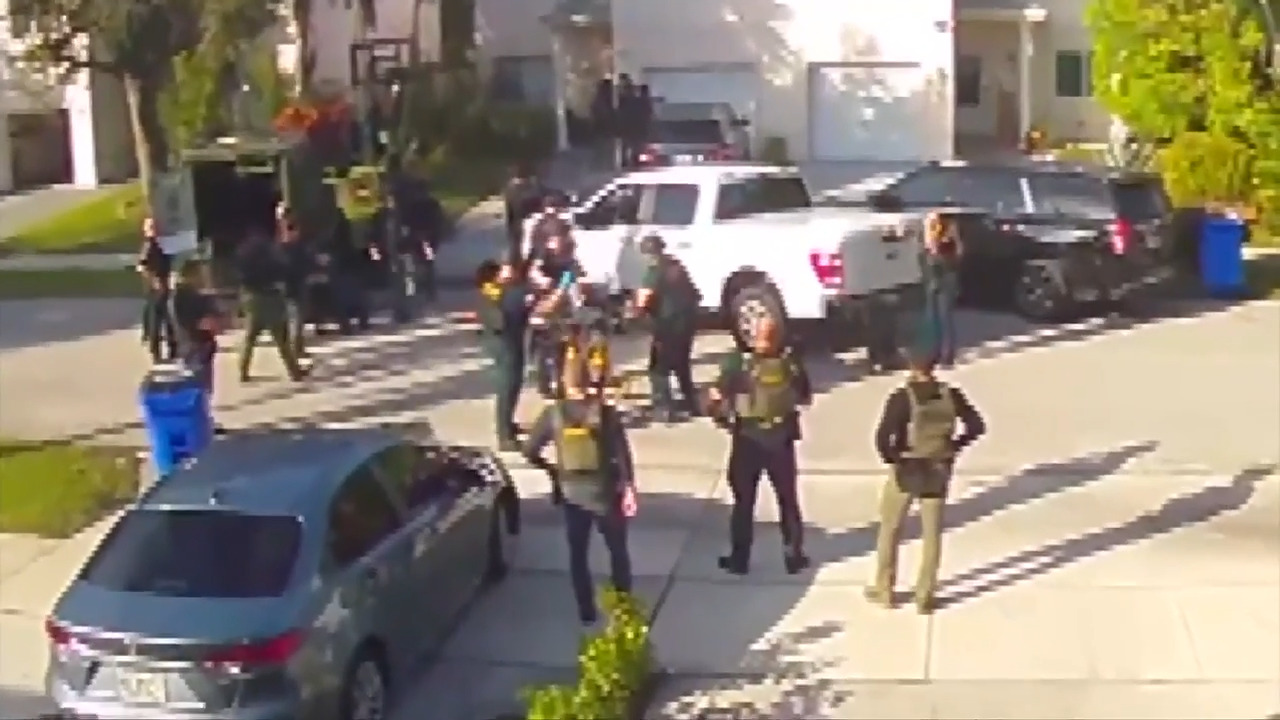
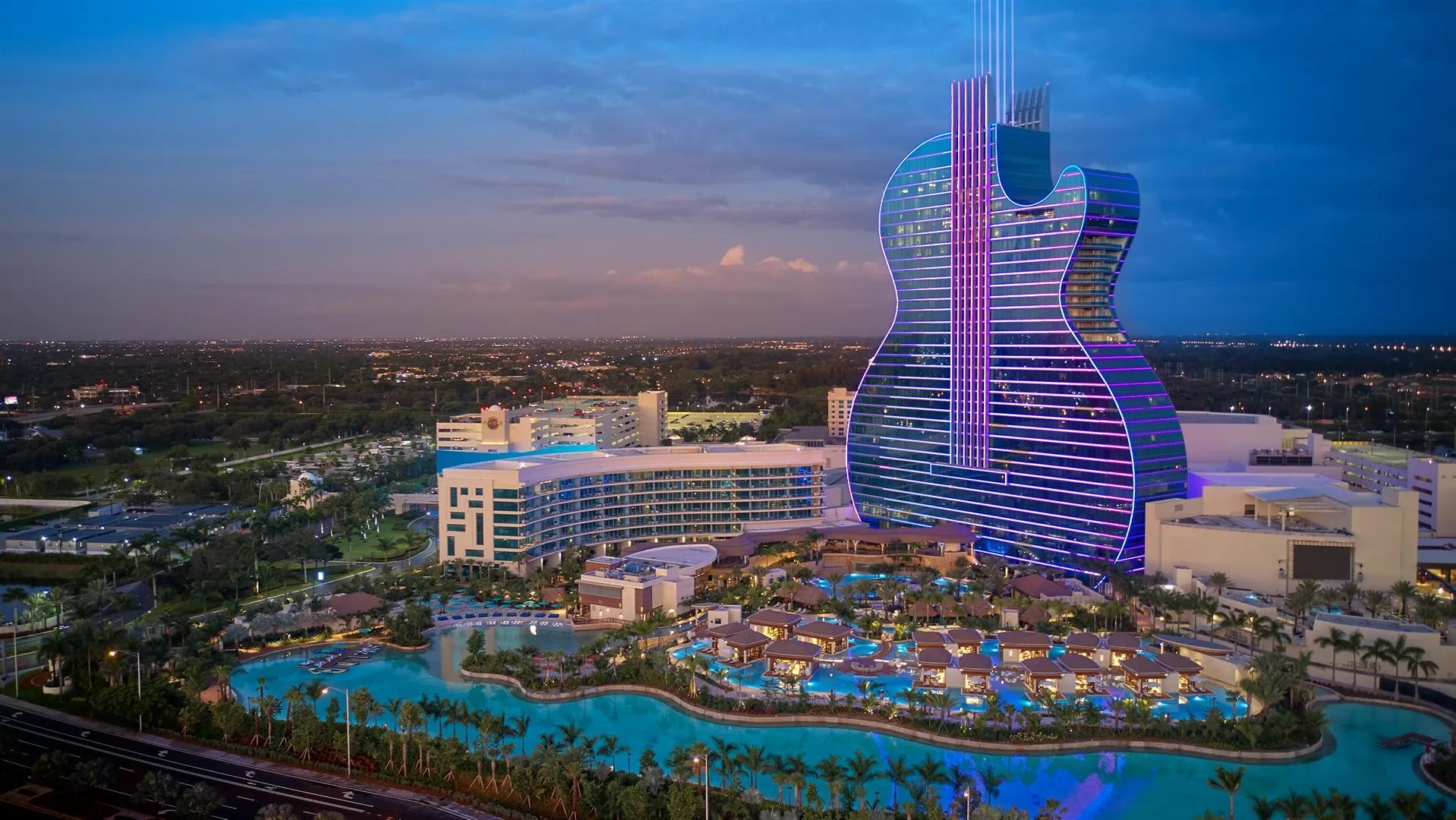
The shooting took place in the incident at the Seminole Hard Rock Hotel & Casino valet area, shortly after 7 p.m., according to law enforcement officials. The location—designed as a sanctuary of luxury and controlled access—became, in an instant, the latest stage for violence that continues to stalk the upper echelons of hip-hop culture.
A spokesperson for the artist confirmed the essential facts with stark clarity: “We can confirm Offset was shot and is currently at the hospital receiving medical care. He is stable and being closely monitored.”
That statement aligns with broader reporting that the rapper hospitalized and in stable condition after shooting is expected to recover, though the psychological and cultural reverberations of the incident may prove far more enduring.
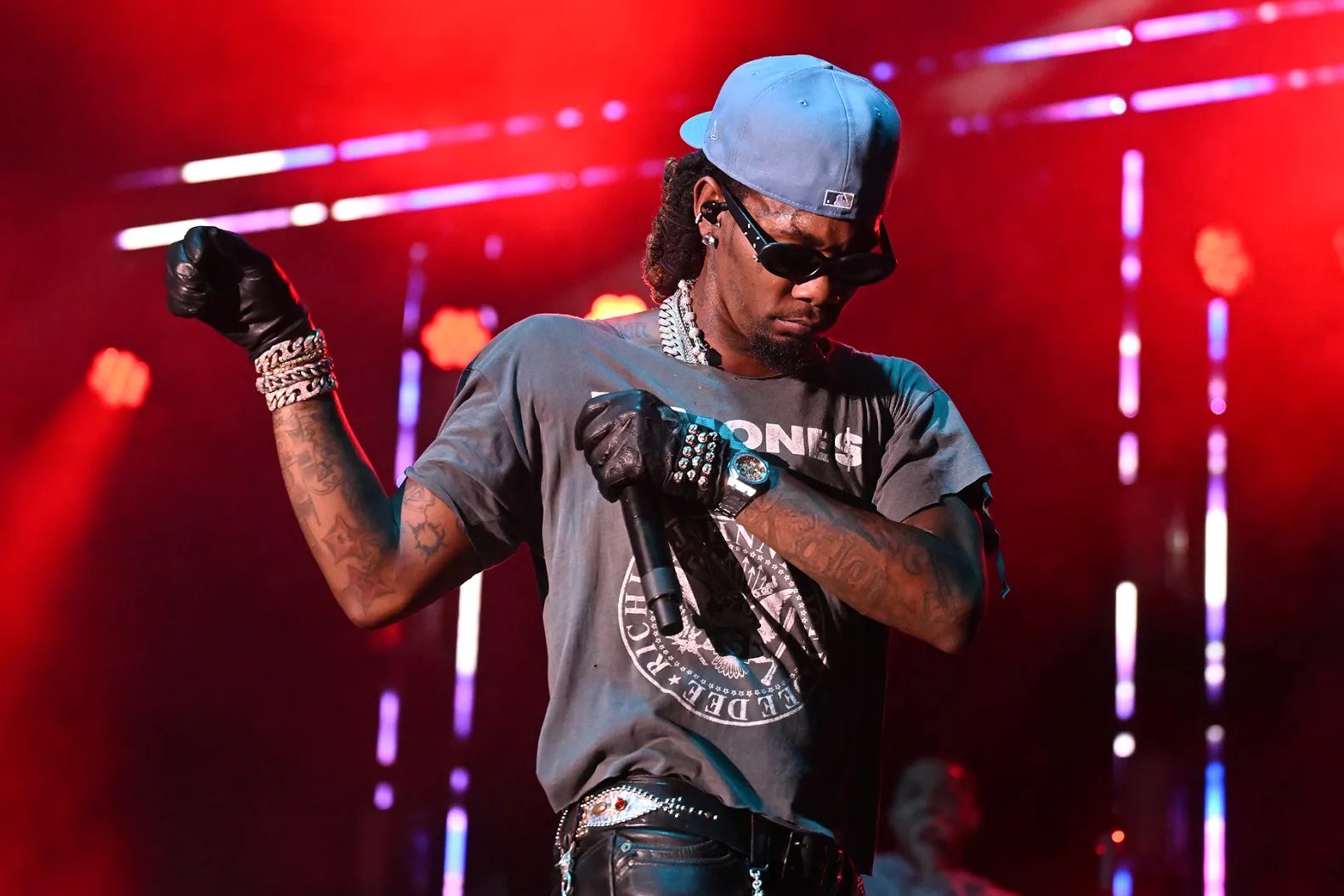
Witness accounts suggest that the violence erupted with almost cinematic abruptness. Just moments before the gunfire, Offset shot moments after posing with fans, engaging in the kind of casual, performative accessibility that has become an expectation for modern celebrities.
He was smiling. Then came the rupture.
The precise sequence of events remains unclear. Surveillance footage—almost certainly abundant in a casino environment—will likely prove decisive. Yet even before the facts are fully assembled, the contours of the story feel eerily pre-written.
This is not an anomaly. It is a pattern.
The hip-hop industry has spent the better part of the last decade grappling with a relentless cycle of violence targeting its most visible figures. From Nipsey Hussle to Pop Smoke, from PnB Rock to Takeoff—the latter a former collaborator and family member of Offset—the narrative has become grimly repetitive.
Offset’s shooting does not carry the finality of those losses. But it reinforces the same structural vulnerabilities.
The contradiction is stark. Artists like Offset operate within a paradox of hyper-visibility and fragile security. They are expected to remain accessible—visible enough to sustain cultural relevance—while simultaneously navigating environments that expose them to risk.
Casinos, nightclubs, and public venues are engineered for spectacle, not protection. The assumption of safety is, at best, conditional.
That reality has been underscored in other contexts as well, including armed intruder shooting in Florida cases that reveal how quickly controlled environments can collapse under pressure.
Even the architecture of surveillance—often cited as a deterrent—has its limits. Incidents involving AI surveillance failures in casinos highlight the gap between technological promise and operational reality.
Offset, born Kiari Kendrell Cephus, is not an emerging artist navigating the volatile margins of fame. He is an established figure, a global brand, a veteran of an industry that has already extracted its share of personal cost.
His rise from Atlanta’s trap scene to international prominence with Migos redefined the sound of a generation. Tracks like “Bad and Boujee” were not just hits—they were cultural inflection points.
And yet, the trappings of success have not insulated him from the risks that seem almost endemic to the genre.
The broader ecosystem in which this incident occurred is itself worth examining. The casino industry—often viewed through the lens of opulence and controlled risk—operates within complex networks of power and influence, as seen in discussions around casino industry power dynamics in the United States.
Overlay that with regional complexities, including illegal gambling and corruption networks in Florida, and the environment becomes even more layered.
Offset’s personal life has also been a persistent subject of public scrutiny. His relationship with Cardi B—marked by cycles of union and separation—has played out in full view of a media ecosystem that thrives on exposure.
That visibility, while commercially advantageous, contributes to a broader erosion of privacy. In the celebrity economy, anonymity is not just rare—it is almost impossible.
Perhaps the most telling detail in the aftermath of the shooting is how quickly the environment reset. The casino resumed operations. The lights remained on. The machinery of entertainment continued uninterrupted.
This rapid normalization reflects a deeper societal shift. Violence, even when it intersects with celebrity, is increasingly absorbed into the background noise.
And yet, each incident leaves a residue.
For Offset, the immediate concern is recovery. Medical reports indicate that his injuries are non-life-threatening, and early signs point toward stabilization.
For law enforcement, the focus is on reconstruction—piecing together a timeline, identifying intent, determining accountability.
But for the industry, the questions are more existential.
How many more incidents will it take before structural changes are implemented?
What does effective security look like in an era where visibility is non-negotiable?
And perhaps most urgently: is this cycle inevitable, or merely tolerated?
Offset’s survival offers a momentary reprieve. It allows for relief, for cautious optimism.
But it does not resolve the underlying tension.
Because the conditions that produced this moment remain intact.
Until they are addressed, the headlines will continue—each one echoing the last, each one reinforcing a narrative that feels increasingly difficult to disrupt.
Different night. Different city. Same story.