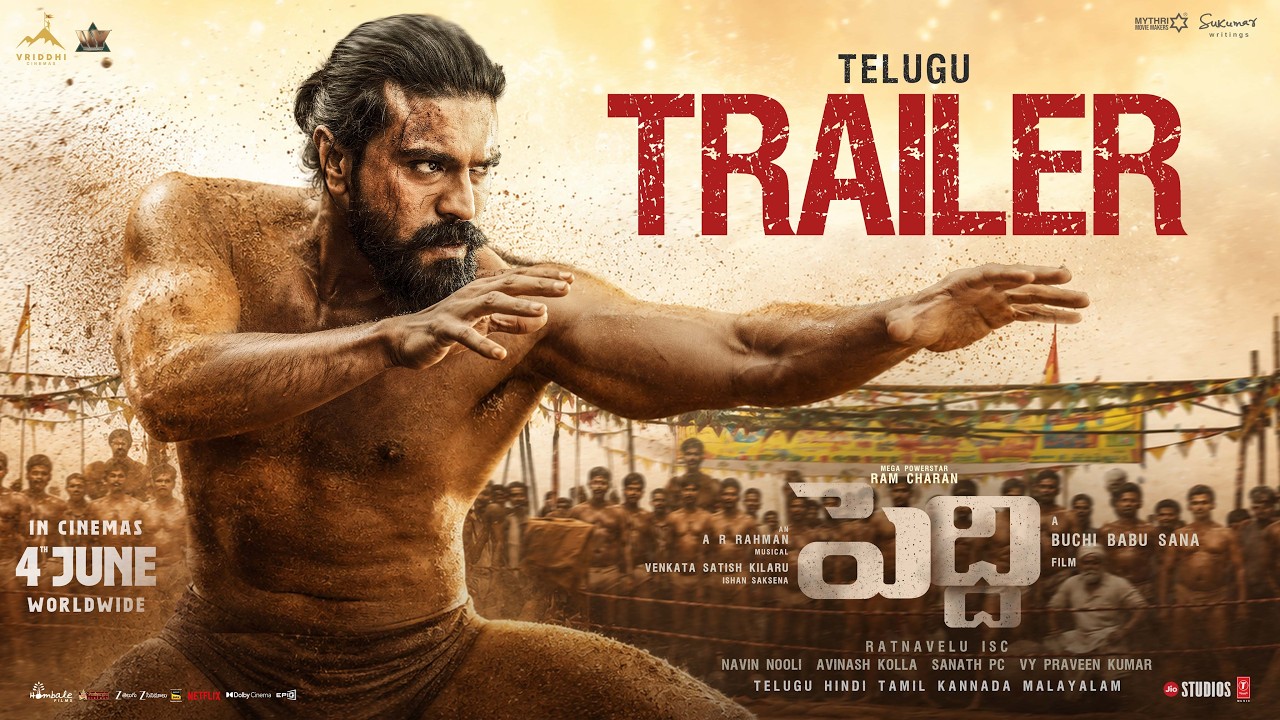

HYDERABAD — Buchi Babu Sana spent Wednesday morning doing two things that do not usually happen together: explaining why the most criticized scenes in “Peddi” were artistically necessary, and confirming he had already cut them out of the film.
The director’s first extended defense of the sequences involving Janhvi Kapoor’s character, in remarks reported by Business Today and carried across the Indian press, amounts to a careful straddle. He believes audiences “misread Janhvi Kapoor’s track as unnecessary in an otherwise good story.” He also concedes that “a few shots turned misleading,” and that the production has “taken corrective measures to remove them, and we have removed them.”
That second sentence is the precedent. A film that crossed 260 crore rupees in its first week, the biggest South Indian opener of the year, has re-edited itself in theaters in direct response to an audience backlash about how it photographed its lead actress. Indian films have been cut by censors, courts and producers before. Being cut by public opinion, mid-run, at this scale, is new.
Sana’s explanation of intent reaches for the film’s own logic. He said he “went a little radical” because the title character comes from a remote place, and he “wanted to show the rawness and later correct it in the end,” framing the character’s behavior as a product of “his upbringing and atmosphere.” The hero’s gaze, in this reading, was meant to indict the hero. The criticism, led by women viewers and women’s rights advocates, was that the camera shared the gaze rather than judged it.
His earlier statement, issued as the row built, had already conceded the ground that mattered. Sana said then that he has “always had immense respect for women, both on and off screen,” that no objectification was intended, and that if any part of the film was perceived that way, “we respect those sentiments, understand the concerns being raised, and sincerely apologise.”
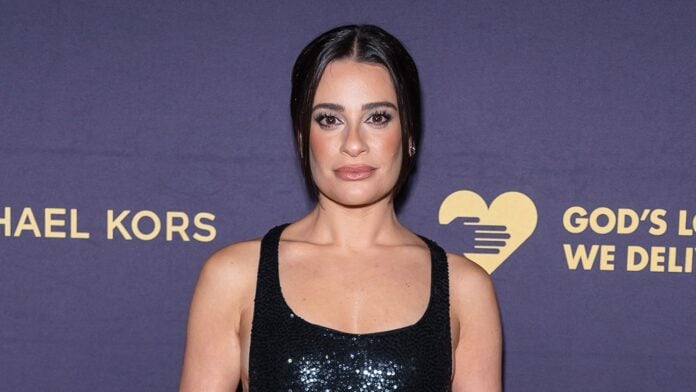
Kapoor herself has said nothing. Her absence from the film’s success event in Hyderabad was widely tied by Indian entertainment outlets to the backlash, though neither she nor the production has confirmed that reading, and her silence has become its own subplot. A counter-debate is now running over old interview clips in which she praised the director, recirculated under arguments about double standards, evidence mostly of how completely the conversation has detached from the film itself.
The commercial backdrop sharpens everything. “Peddi” posted its first single-digit collection day on Tuesday, the start of the weekday test that decides whether a film budgeted at a reported 300 to 350 crore rupees recoups. A production in that position cannot afford a boycott narrative, which is the unsentimental way to read why the scenes came out even as the director defended them. Conviction is for interviews; the edit is for the market.
For the industry, the episode redraws a line every producer will now have to think about. The pan-India formula has long used what the trade politely calls glamour tracks as export packaging, and the assumption was that controversy of this kind burns out on social media without touching the print. “Peddi” establishes the opposite: the audience reached into a running film and changed it. Whether that power gets used next for better representation or for louder mobs is the open question the industry would rather not answer.
The mechanics remain opaque. The production has not specified which scenes or how many were removed, whether the trimmed version is also what overseas territories are now showing, or whether the original cut will surface on streaming, where these disputes usually get relitigated frame by frame.
Sana, for his part, ended his defense where directors usually begin, with the work. The track was misread, he believes, in an otherwise good story. The market will tell him by Friday whether the audience that demanded the cuts is willing to keep buying tickets to the film it edited.