On a day when the global economy seemed to hinge on a narrow stretch of water in the Middle East, Wall Street delivered a message that was as restrained as it was revealing: uncertainty, not panic, remains the defining force in financial markets.
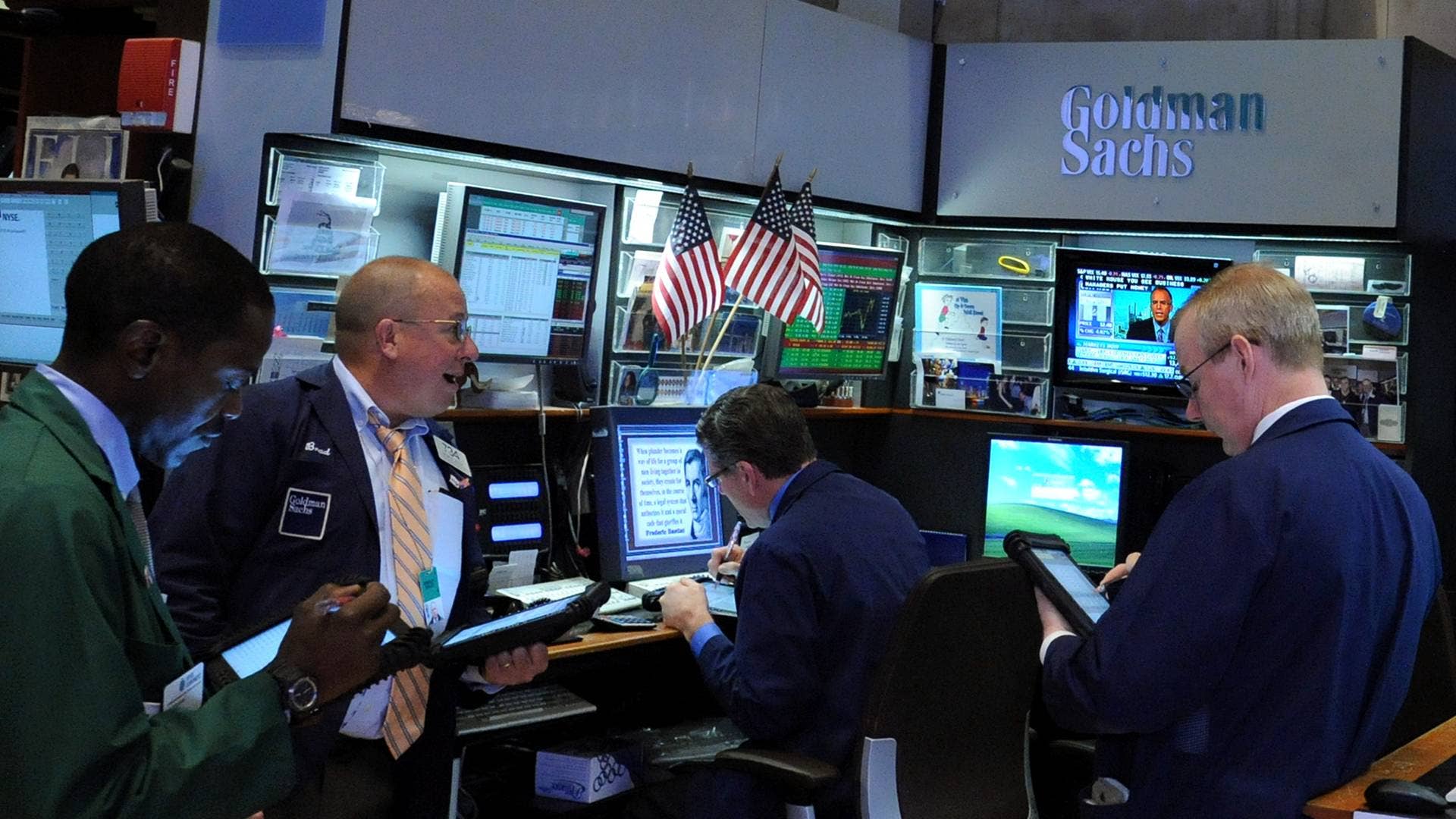
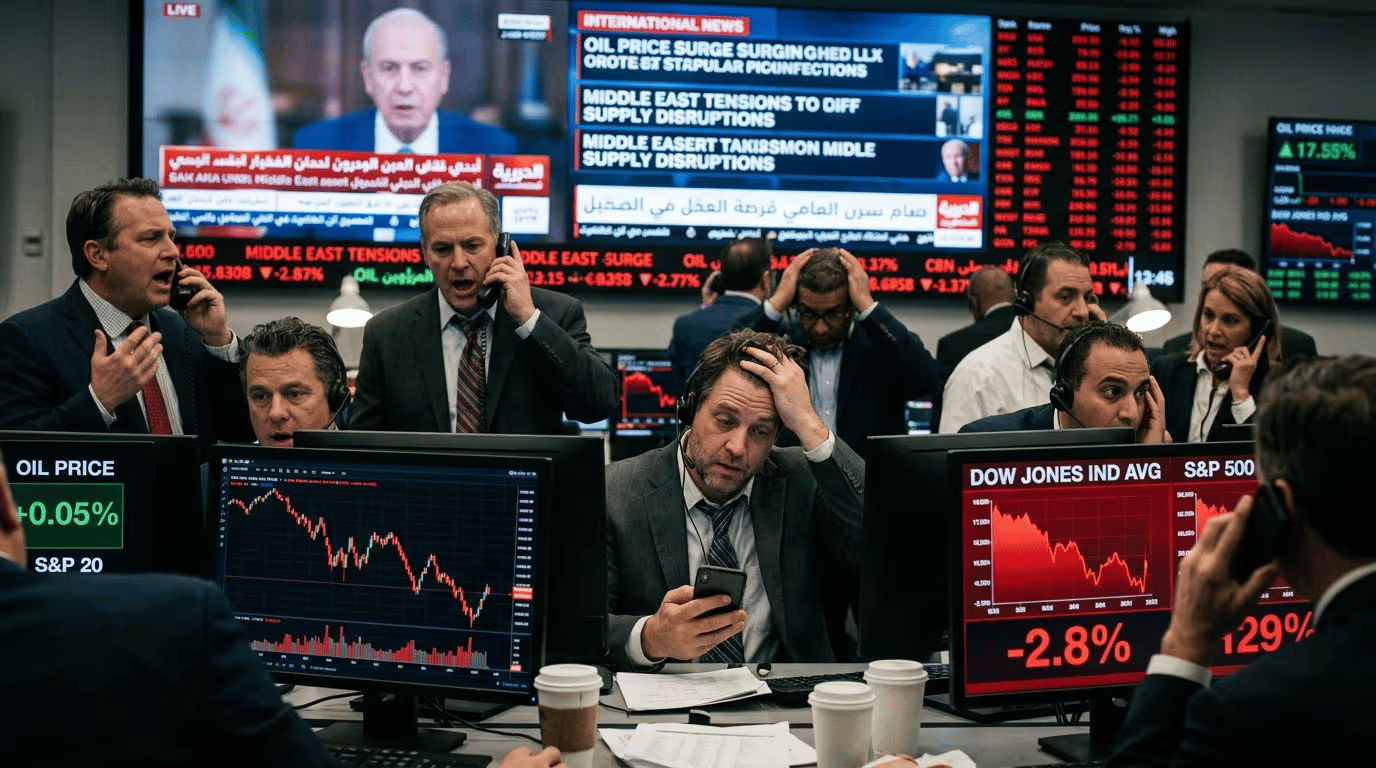
Stocks in the United States traded in a narrow and uneven range on April 7, reflecting a market caught between geopolitical risk and economic resilience. The Dow Jones Industrial Average drifted lower, while the S&P 500 and Nasdaq Composite managed modest gains, underscoring the lack of consensus among investors navigating a rapidly shifting landscape.
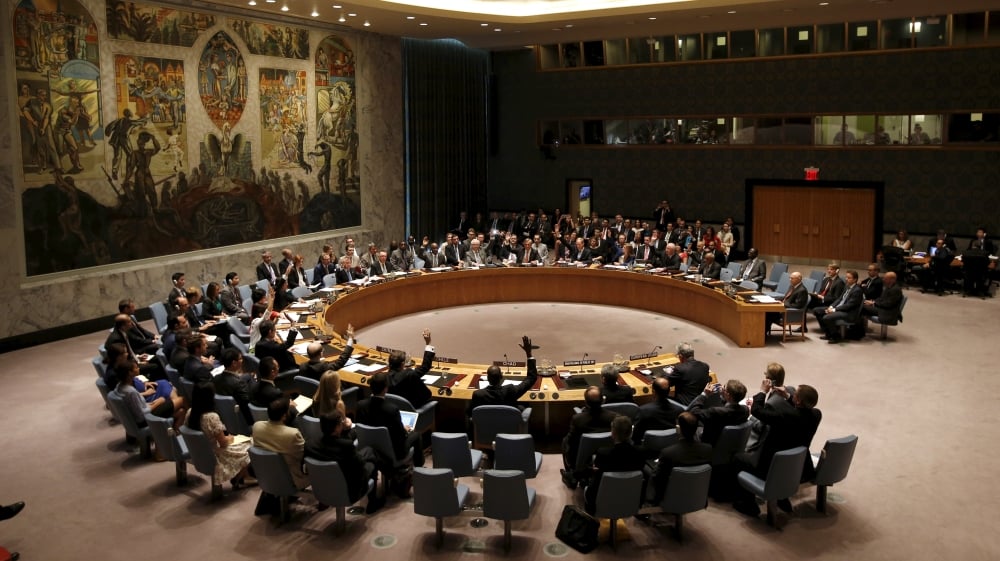
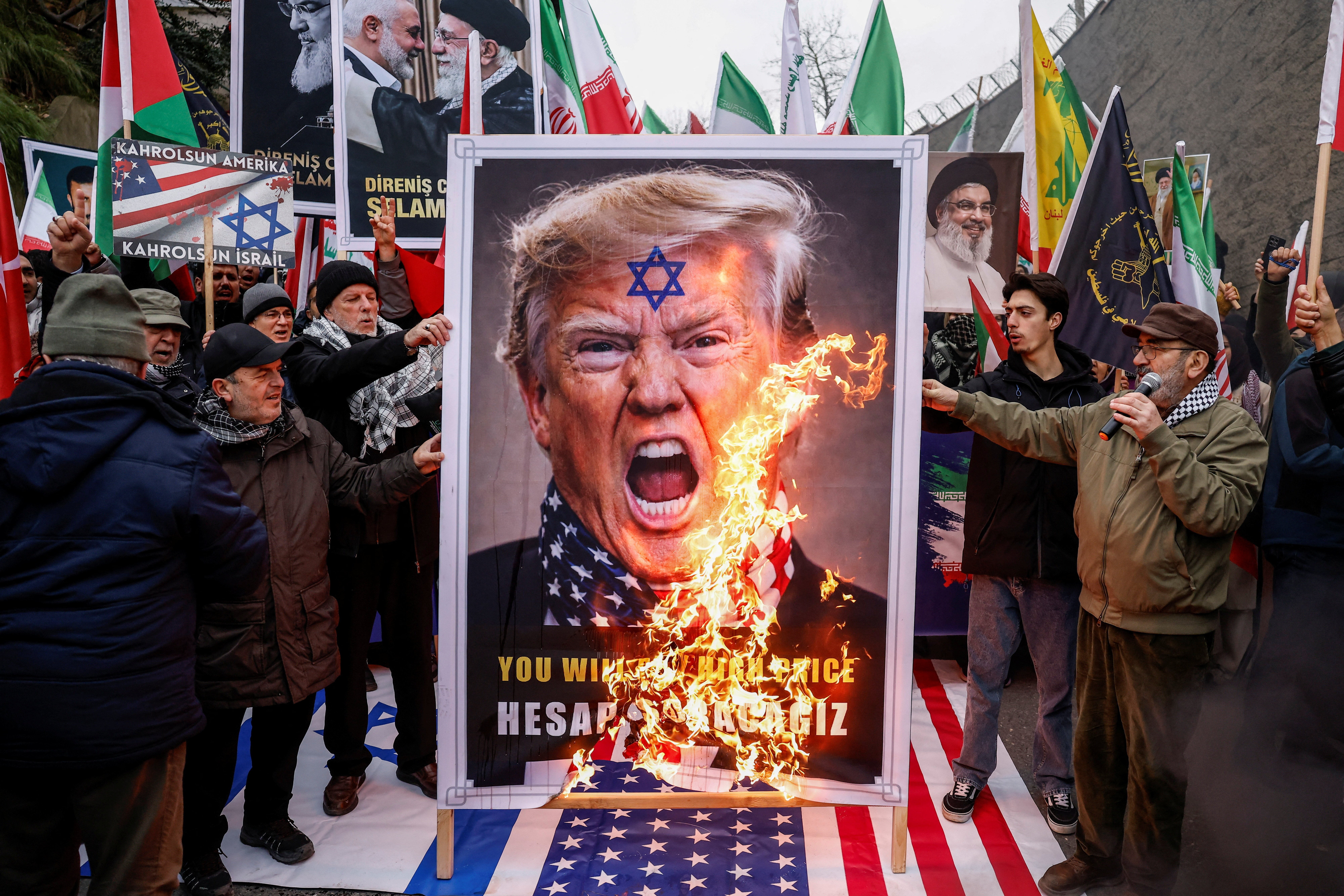
At the center of this unease was the escalating standoff between the United States and Iran over the Strait of Hormuz, a vital artery for global oil supplies. With a deadline imposed by Washington looming, investors were forced to weigh the possibility of military escalation against the fragile hope of diplomacy.
The result was a market that moved not with conviction, but with caution.
The day’s trading opened under pressure, echoing earlier episodes when Wall Street slides as oil surges and Iran deadline rattles markets, as investors reacted swiftly to rising geopolitical risks.
Oil prices surged above $114 per barrel, reinforcing concerns already highlighted in recent coverage where oil prices surge as Strait of Hormuz crisis fuels global market anxiety. The implications were immediate: higher energy costs, renewed inflation fears, and pressure across equities.
This pattern is not new. In fact, earlier reporting showed how Wall Street swings as Iran tensions and oil shock rattle global markets, underscoring how deeply energy markets now shape financial sentiment.
Yet even as risks mounted, the market reaction remained measured. Investors appeared cautious rather than panicked, a contrast to previous episodes when oil shock and Iran crisis trigger global market panic, sending equities sharply lower.
That restraint reflects a broader recalibration. Analysts say markets are increasingly conditioned to geopolitical shocks, responding quickly but not always dramatically.
“The market is watching, but it’s not overreacting,” one strategist noted. “There’s still uncertainty, but also a belief that escalation is not inevitable.”
Sector-level movements reinforced that view. Energy stocks gained alongside crude prices, while transportation and airline sectors faced pressure from rising fuel costs. Meanwhile, defensive sectors showed resilience, mirroring patterns seen when Dow holds gains while Nasdaq slips as Iran war and oil shock rattle markets.
The divergence highlights a critical truth: markets are no longer moving in unison. Instead, they are fragmenting under the weight of geopolitical and macroeconomic forces.
At the heart of this fragmentation lies energy.
Oil’s climb above $114 per barrel not only signals supply risk but also reinforces fears of prolonged inflation. As seen in prior analysis where Iran conflict could trigger inflation shock and market turmoil, rising energy costs can ripple through the entire global economy.
The connection is direct: higher oil prices feed inflation, constrain central banks, and weigh on equity valuations.
This dynamic has become the dominant narrative shaping global markets. Earlier crises demonstrated how Iran war triggers oil shock and global markets spiral, reinforcing the fragile balance between growth and risk.
And yet, markets remain forward-looking.
That forward-looking nature was evident on April 8, when sentiment shifted dramatically. News of a potential ceasefire triggered a sharp reversal, aligning with global coverage showing stocks surge and oil drops as Iran ceasefire sparks relief rally.
Futures tied to major indexes jumped more than 2.5 percent, while technology-heavy indices surged even higher. The catalyst was not economic data, but geopolitics.
Oil prices, which had been surging, fell sharply. Reports confirmed that oil tumbles as ceasefire reduces fears of supply disruption, easing one of the market’s biggest concerns.
This reversal echoed earlier moments when oil drops and Iran war exit signals lift Wall Street, highlighting how quickly sentiment can pivot.
The rebound was not confined to equities. Global markets rallied in tandem, reflecting broader optimism. International coverage confirmed that global markets rally as ceasefire lifts investor sentiment, underscoring the interconnected nature of financial systems.
Even so, caution remains.
Investors are acutely aware that ceasefires can be fragile. The underlying risks, energy supply disruptions, inflation, and geopolitical instability, have not disappeared.
This tension between optimism and caution defines the current market environment.
It is also shaping expectations for the earnings season. Companies are now navigating not only traditional economic pressures but also the unpredictable impact of geopolitics. Analysts expect solid results in the near term, but warn that outlooks may remain cautious.
The broader lesson is clear: markets are no longer driven solely by fundamentals.
Instead, they are increasingly shaped by external shocks, rapid information flows, and shifting expectations. This dynamic has transformed how investors interpret risk, making adaptability as important as analysis.
The events of April 7 and 8 offer a vivid illustration.
One day, markets were weighed down by uncertainty, with oil surging and equities struggling for direction. The next, optimism returned, driven by the mere possibility of de-escalation.
Such rapid shifts are likely to remain a defining feature of markets in the months ahead.
For investors, the challenge is not simply to predict outcomes, but to navigate a landscape where outcomes can change overnight.
And as the world continues to watch developments in the Middle East, financial markets will continue to reflect that uncertainty, processing, reacting, and anticipating what comes next.