Washington — The Justice Department told Congress this week that former Attorney General Pam Bondi will not appear for a scheduled deposition in the investigation into the government’s handling of the Epstein files, setting up a confrontation with lawmakers who say her testimony remains essential.
Bondi, who was subpoenaed by the House Oversight and Government Reform Committee, had been expected to testify on April 14 about the release of documents tied to the late financier Jeffrey Epstein. But department officials said she will not appear for a scheduled deposition, arguing that the subpoena no longer binds her because it was issued while she held office.
Members of the committee, from both parties, rejected that argument almost immediately.
Representative Robert Garcia of California said lawmakers could pursue contempt proceedings if she refuses, underscoring the stakes in a dispute that has quickly escalated into one of the most contentious oversight battles in Washington this year.
The standoff marks the latest turn in a widening dispute over how federal authorities handled the release of millions of records tied to Epstein’s network, finances and associations.
A Subpoena in Question
At the center of the dispute is a legal question that could determine how far Congress can go in compelling testimony from former officials.
Justice Department lawyers have argued that the subpoena no longer applies because Bondi was called in her official capacity. Since she no longer holds that role, they contend, the obligation has effectively lapsed.

Committee leaders say the subpoena applies to Bondi personally, not just to the office she once held. They have signaled they are prepared to continue negotiations with her private counsel and, if necessary, move toward enforcement.
The subpoena was issued after mounting concern over missing records and delays tied to the release of Epstein-related documents.
Fallout From a Troubled Release
The dispute over Bondi’s testimony is rooted in broader frustrations with how the Epstein files were released earlier this year.
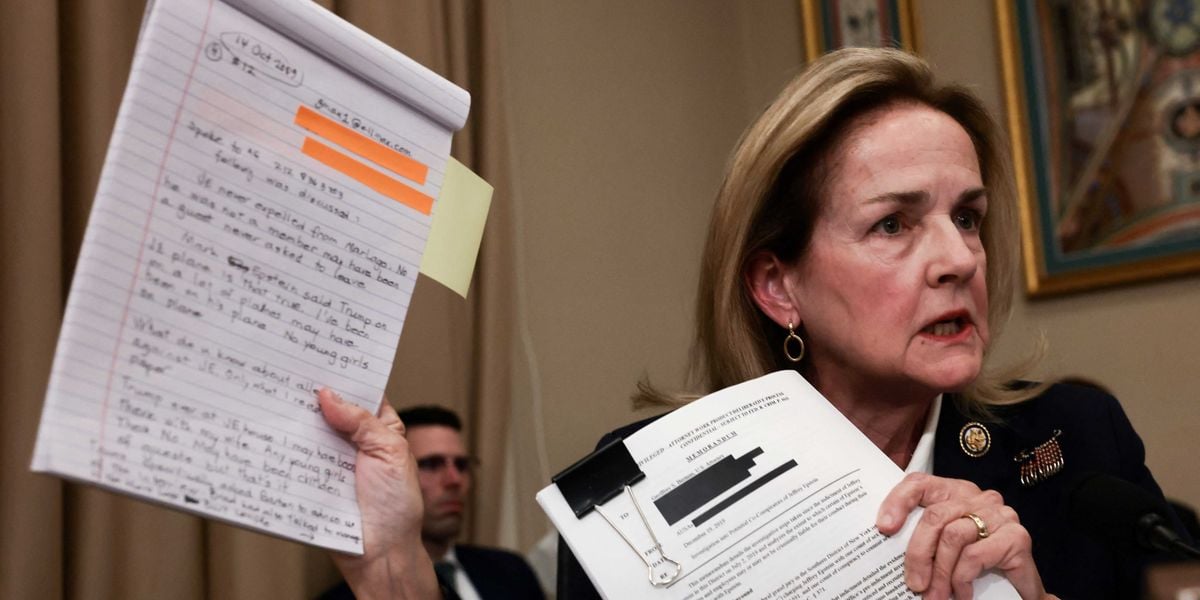
The Justice Department made public a vast trove of materials, including emails, photographs and financial records, but the rollout drew criticism almost immediately. Lawmakers and advocacy groups pointed to delayed and heavily redacted release of documents, raising concerns about transparency and oversight.
Some members of Congress argued that the disclosures, spanning millions of pages, raised more questions than they answered, particularly about Epstein’s connections to influential figures.
Bondi, who oversaw the department during much of that process, became a central figure in those concerns.
Bipartisan Pressure Builds
The push for Bondi’s testimony has been notable for its bipartisan character, with lawmakers from both parties pressing for answers.
Representative Nancy Mace, a Republican from South Carolina, has joined Democrats in calling for greater transparency, saying the public deserves clarity about how the files were handled.
Representative Ro Khanna, Democrat of California, has similarly framed the issue as one of accountability to victims.
Their concerns have been echoed by survivors of Epstein’s abuse, who have said the government’s handling of the documents has prolonged uncertainty and undermined trust.
A Wider Investigation
Bondi is not the only figure under scrutiny.
The committee has called a number of high-profile individuals to testify as part of its congressional investigation into Epstein’s network. Among them is Bill Gates, who is expected to answer questions about past interactions and associations, according to reporting from NPR.
The investigation has already included testimony from former officials, business figures and others whose names appeared in documents connected to Epstein.
Bondi’s Departure and Its Aftermath
Bondi’s refusal to testify comes just days after her removal from office, a move that followed months of controversy surrounding her tenure.
Her handling of the Epstein files had drawn criticism from both sides of the aisle, with some lawmakers accusing the department of failing to meet transparency requirements set by Congress.
The timing of her departure has intensified scrutiny, even though officials have not directly linked the decision to the ongoing investigation.
Legal and Political Stakes
The clash between Congress and the Justice Department now carries both legal and political implications.
If lawmakers move forward with contempt proceedings, it could trigger a protracted legal battle over the limits of congressional subpoena power, particularly when applied to former officials.
Such disputes are not uncommon, but they often take months, if not years, to resolve.
In the meantime, the broader inquiry into Epstein’s network and government response is expected to continue, with additional witnesses scheduled and further disclosures possible.
Unanswered Questions
Despite the release of extensive material, key questions remain unresolved.
Lawmakers have said they are still seeking clarity on whether all relevant documents have been made public, how decisions about redactions were made and whether any information was withheld improperly.
There is also ongoing interest in understanding the full scope of Epstein’s relationships and whether any individuals who may have facilitated his activities have yet to be identified.
For now, Bondi’s absence from the witness table threatens to complicate that effort.
What Comes Next
Committee officials say they will continue to press for Bondi’s testimony, even if it requires further legal steps.
Whether she ultimately appears, voluntarily or under compulsion, could shape the trajectory of the investigation.
For victims and their advocates, the stakes remain high. Years after Epstein’s death, the demand for accountability has not faded, and the battle over how that accountability is delivered is entering a new phase.