In a move that sent shockwaves through global markets, Donald Trump escalated tensions with Iran by ordering a naval blockade targeting its oil routes, a decision that pushed crude prices back above $100 per barrel and reignited fears of a prolonged global economic crisis.
The announcement came within hours of the collapse of high-stakes diplomatic talks between Washington and Tehran, abruptly ending what little hope remained for de-escalation. Oil markets reacted instantly. Benchmark prices jumped sharply, with oil prices surged more than 7 percent, reversing earlier declines and signaling renewed instability in global energy supply chains.
But beyond the immediate market reaction, the decision has drawn intense scrutiny from analysts and critics who see the blockade not as a calculated strategy, but as a high-risk gamble, one that deepens conflict while fueling profits tied to war-driven energy spikes.
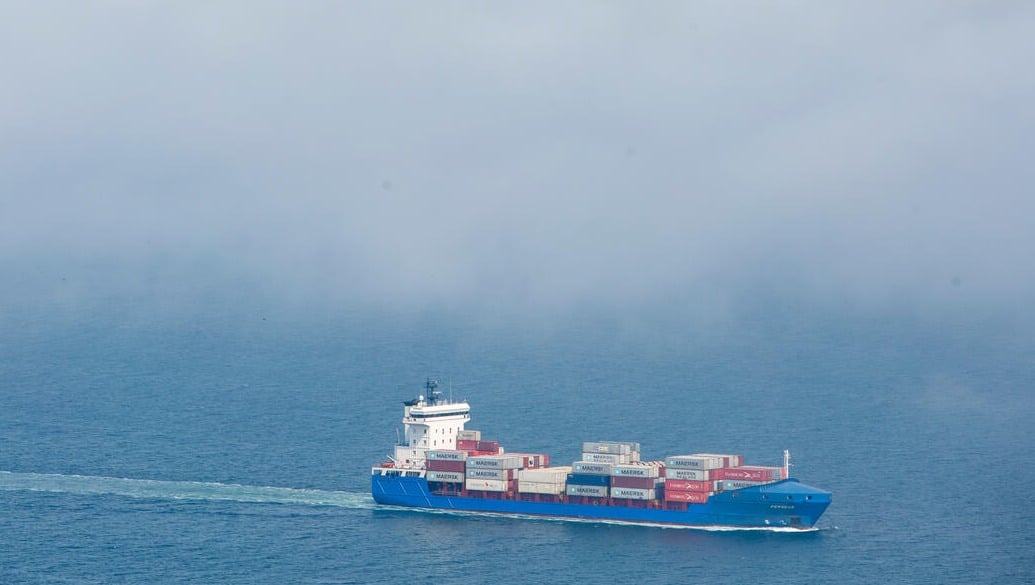
The Strait of Hormuz, a narrow waterway through which roughly one-fifth of the world’s oil passes, has long been the most sensitive chokepoint in global energy trade. Any disruption, even the threat of one, sends prices soaring. Now, with Trump’s blockade threat, that disruption is no longer hypothetical.
According to military briefings, the blockade targets vessels entering or leaving Iranian ports, effectively cutting off a major portion of Tehran’s oil exports. Analysts warn that up to two million barrels per day could be removed from global supply, tightening markets already strained by months of conflict.
Critics argue the timing raises serious questions. Just days earlier, markets had stabilized following a fragile ceasefire. That relief has now been erased, with oil prices back above $100 per barrel, triggering renewed inflation fears and economic instability across continents.
The economic consequences are already unfolding. Developing economies, heavily dependent on imported fuel, face rising transportation and food costs. Financial markets across Asia and Europe have shown signs of strain, while energy companies surge, highlighting how conflict-driven scarcity creates clear financial winners.
That reality has intensified criticism that Trump’s approach is not merely strategic, but economically opportunistic. His own statements have emphasized the potential for the United States to expand oil exports during the crisis, reinforcing the perception that escalation directly benefits American energy interests.
This pattern is not new. Analysts point to a broader pattern of aggressive oil-linked tactics, where geopolitical pressure coincides with shifts in global energy flows that advantage US producers.
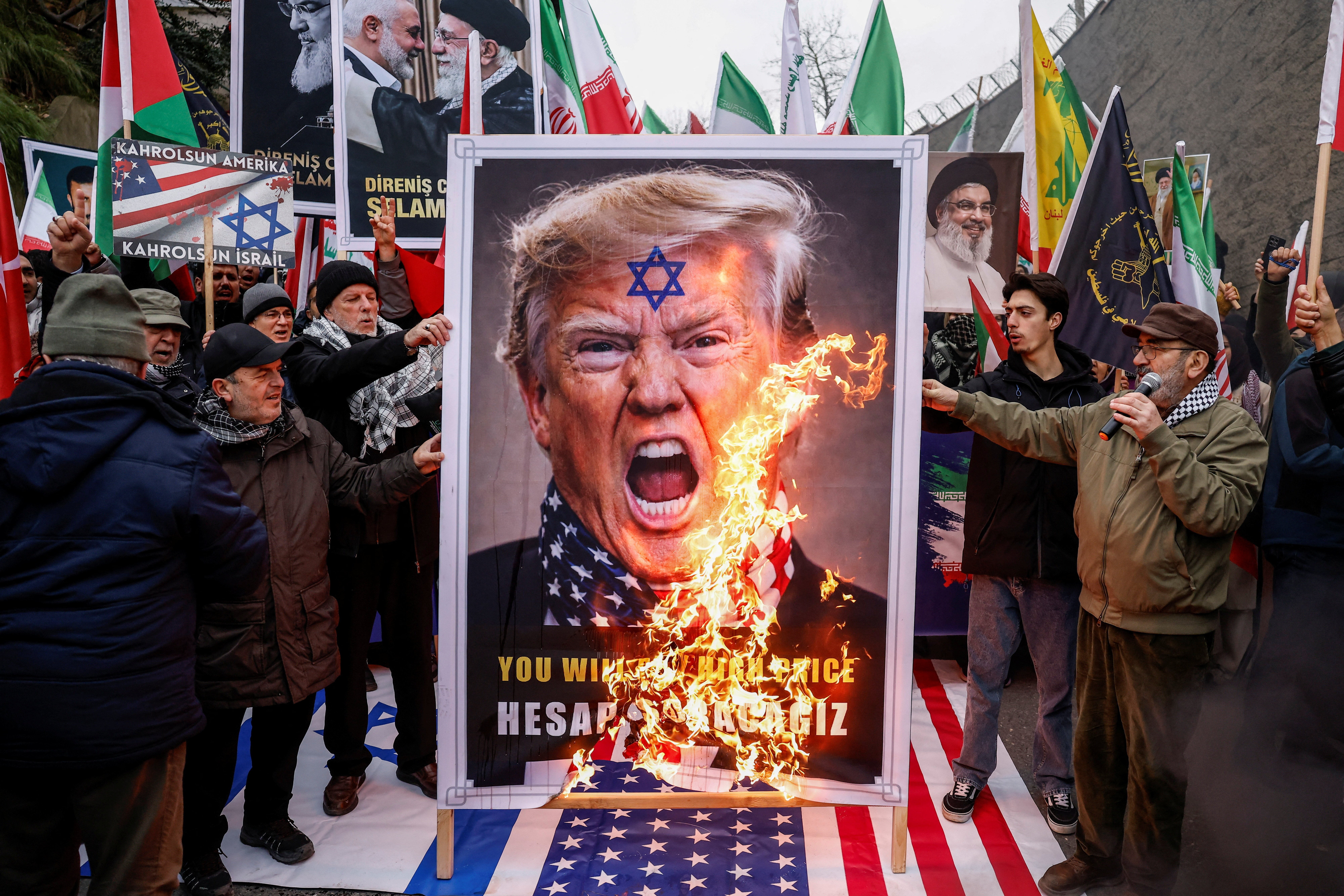
Inside Washington, Trump has framed the blockade as a show of strength. Yet his rhetoric has been marked by contradictions. He has alternated between claiming Iran is “in very bad shape” and signaling indifference toward renewed negotiations, even as the risk of escalation grows.
Earlier claims that Iran’s capabilities had been neutralized have also failed to align with ongoing tensions, further fueling accusations of misleading narratives designed to justify escalation.
Meanwhile, global supply chains are already tightening. Tankers are rerouting, insurers are raising premiums, and markets are bracing for prolonged disruption. The consequences extend far beyond the Gulf, affecting currencies, trade balances, and inflation trajectories worldwide.
Countries across Asia, including India, are feeling the pressure. Currency volatility and rising import costs highlight how quickly a regional confrontation can transform into a global economic crisis.
At the same time, Trump continues to promote what he describes as American energy dominance, emphasizing control over global energy flows as a strategic objective. Critics argue that this framing obscures a deeper reality: a willingness to leverage instability for geopolitical and economic gain.
The risks of this approach are profound. Iran has warned that any enforcement of the blockade would be treated as an act of war, raising the specter of direct military confrontation in one of the world’s most volatile regions.
Markets are already reacting to that possibility. Analysts describe the current situation as one of the largest supply shocks in recent history, with the potential to drive oil prices far beyond current levels if tensions escalate further.
The broader humanitarian cost is also coming into focus. Rising energy prices are expected to push millions into poverty, particularly in vulnerable economies, amplifying the global consequences of a conflict driven by geopolitical brinkmanship.
This development adds to growing concerns over global energy instability and geopolitical tensions shaping international markets.
For critics, the central question is no longer whether the blockade will disrupt markets, it already has. The real question is whether this escalation reflects a coherent strategy or a reckless gamble, one that trades global stability for political optics and economic advantage.
For now, the outcome is clear. Oil prices are rising. Markets are destabilizing. And a fragile path to diplomacy has been replaced by a confrontation that risks spiraling far beyond control.