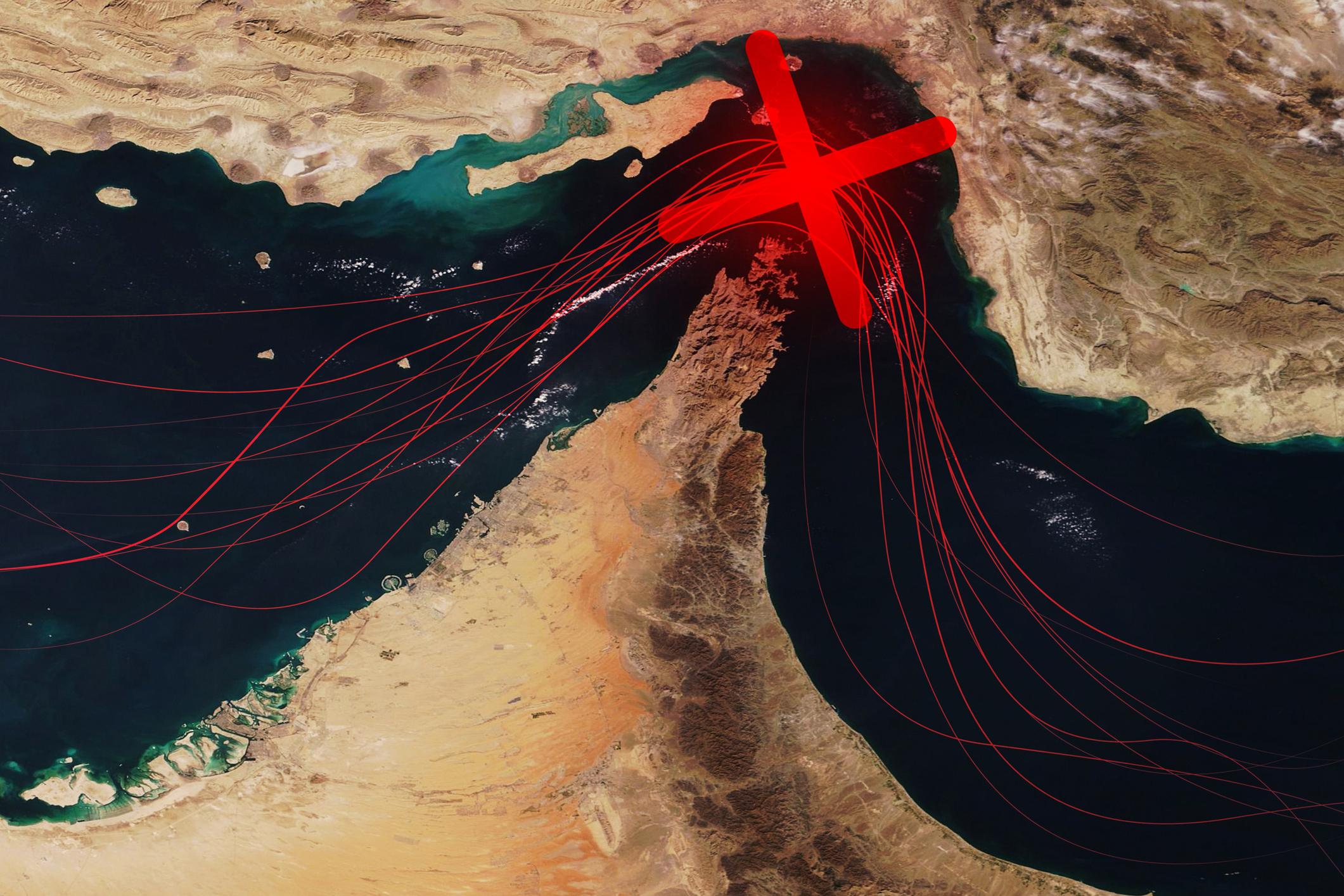

WASHINGTON — Iran has declared that the Strait of Hormuz remains open to global shipping but effectively closed to vessels belonging to the United States, Israel, and countries involved in attacks against the Islamic Republic, a move that highlights the growing maritime dimension of the war triggered after Israel attacks Iran.
Iranian Foreign Minister Abbas Araghchi said the strategic waterway linking the Persian Gulf to international markets remains accessible to most nations, dismissing speculation that Tehran had imposed a blanket blockade on global shipping.
“The Strait of Hormuz is open. It is only closed to the tankers and ships belonging to our enemies, to those who are attacking us and their allies. Others are free to pass,” Araghchi said in an interview with the broadcaster MS Now.
The remarks come as the conflict between Iran, Israel, and the United States intensifies, raising fears that the crisis could spill into global trade routes and energy markets. According to a Reuters report on the escalating war, Washington has urged allied nations to deploy naval forces to secure the Strait of Hormuz as tensions mount in the region.
The strait, which lies between Iran and Oman, is widely regarded as the most critical oil chokepoint in the world. Roughly one-fifth of global petroleum shipments pass through the narrow corridor each day, making it indispensable for the world’s energy supply chain. Energy markets have reacted nervously to the escalating confrontation as the war in the Middle East enters its third week.
Iran’s announcement appears to signal a selective maritime restriction rather than a total closure of the waterway. Tehran says commercial shipping from countries not involved in military operations against Iran can continue to move through the passage without obstruction.
However, the warning directed at Washington and Tel Aviv underscores the strategic leverage Iran holds over the maritime route. The Strait of Hormuz has long been viewed as a geopolitical pressure point because the majority of Gulf oil exports must transit through its narrow shipping lanes.
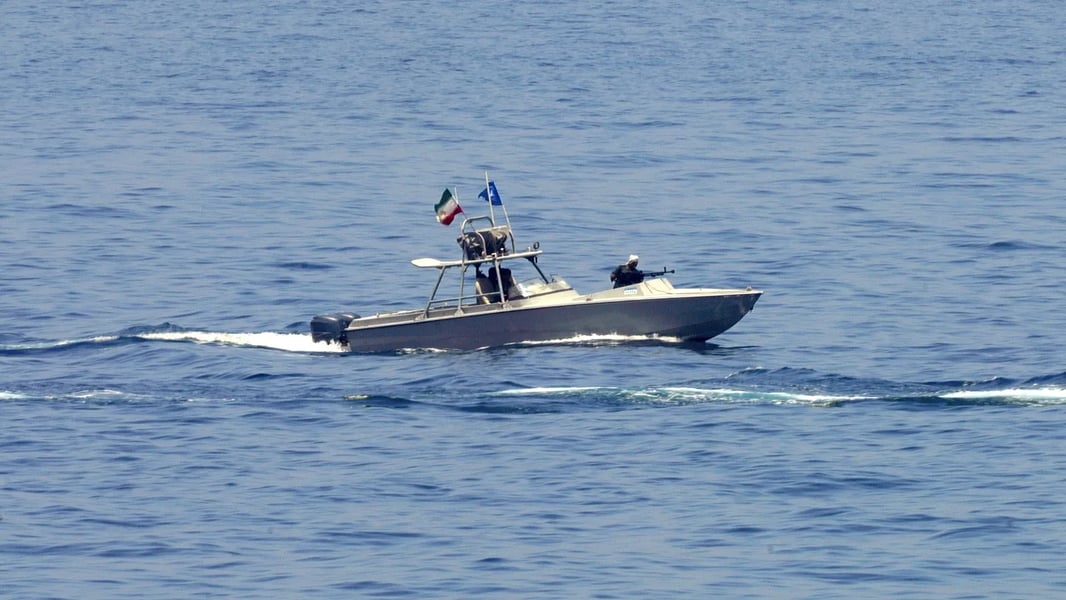
Shipping industry analysts say the security risks have intensified since the conflict escalated following Israeli and US strikes on Iranian targets, including energy infrastructure and military facilities near key export hubs. These attacks have triggered retaliatory actions by Iran and its allies across the region.
Meanwhile, military developments continue to unfold. Tehran has launched missile and drone strikes against strategic positions linked to US and Israeli forces. Earlier reports detailed IRGC missile and drone strikes on US-Israeli command sites, illustrating how the conflict has expanded beyond direct air attacks.
Global energy markets are watching the Strait of Hormuz closely. The waterway carries millions of barrels of crude oil every day from producers including Saudi Arabia, Iraq, Kuwait, Qatar, and the United Arab Emirates to consumers across Asia, Europe, and North America.
Any disruption could have profound economic consequences. Analysts warn that even partial restrictions could cause supply shocks that ripple through international markets. Earlier reports on the war have already highlighted how the conflict is reshaping the energy landscape, including rising fuel costs and market volatility described in coverage of Americans spending billions more on gasoline during the war.
The United States has signaled that it may lead an international effort to ensure freedom of navigation through the waterway. Washington has called on other countries reliant on Gulf oil supplies to help safeguard shipping lanes in the region.
According to international media reports, the US administration believes multiple nations could deploy warships to help keep the route open to global trade. A Guardian report on potential naval deployments described calls for allied fleets to support maritime security operations in the Gulf.
Despite the mounting tension, Iran maintains that the security of shipping for neutral countries remains intact. Officials in Tehran insist that the restrictions only apply to countries participating in military strikes against the Islamic Republic.
The conflict’s economic impact has already begun to ripple across the region. Oil prices surged sharply in the first weeks of fighting, while global markets experienced turbulence amid uncertainty surrounding supply routes.
Earlier coverage examining the broader economic fallout noted that the war has intensified fears of a prolonged energy crisis and disruptions to shipping lanes in the Persian Gulf. Similar concerns were raised in an analysis of the global market slump triggered by the Israel-Iran war.
Meanwhile, several countries that depend heavily on Gulf energy exports have urged restraint from all sides. Governments across Asia and Europe are monitoring the situation closely, concerned that further escalation could jeopardize vital supply chains.
Recent developments indicate that not all shipping has halted. Reports indicate that some vessels from countries not involved in the conflict have continued passing through the strait. According to maritime tracking data cited in international media, several tankers have successfully navigated the route despite the tense security environment.
At the same time, the military dimension of the conflict continues to evolve. Iran has warned that additional attacks on its territory or energy infrastructure could lead to further retaliatory measures, potentially affecting maritime operations in the Gulf.
The broader geopolitical implications of the war are also coming into focus. Diplomatic tensions have intensified at the United Nations and across regional alliances as governments debate how to respond to the escalating confrontation.
Some diplomats argue that Iran’s stance reflects an attempt to isolate its confrontation with Washington and Tel Aviv while avoiding a broader confrontation with the international community. Others warn that selective restrictions on shipping could still destabilize global trade.
For now, Tehran’s message is clear: the Strait of Hormuz remains open to the world — but not to countries engaged in attacks against Iran.
Whether that position can prevent the maritime crisis from expanding into a full blockade remains uncertain as the war continues to reshape the geopolitical landscape of the Middle East.