

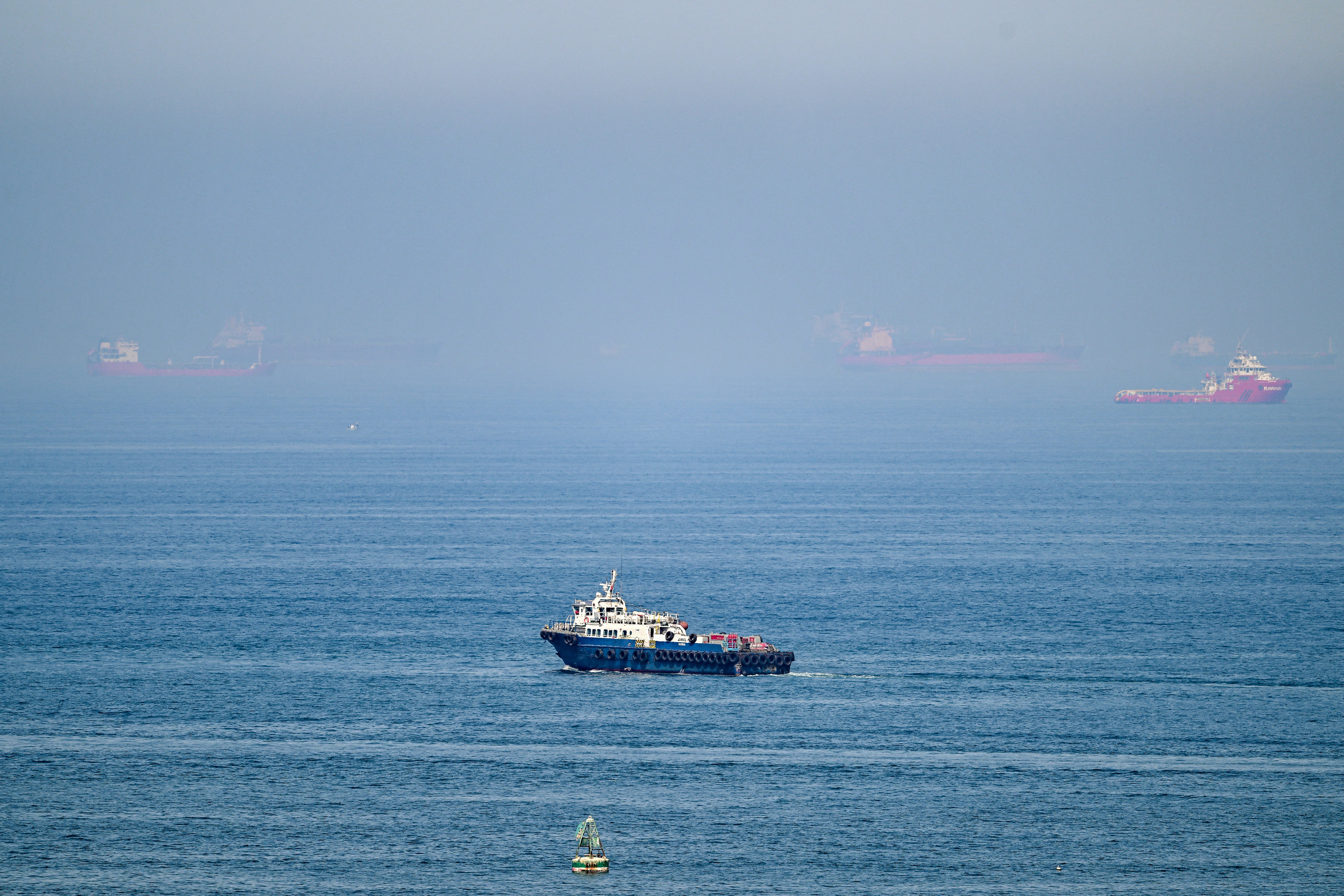

MUSCAT — Iran’s foreign minister ended back-to-back talks in Oman on Saturday without resolving the 133-day closure of the Strait of Hormuz, even as Oman placed a specific structural proposal on the table: a plan to divide the waterway into two separately managed corridors, one free and one requiring Tehran’s advance approval.
The proposal, reported by CNN citing a source familiar with the talks, envisions a southern corridor through Omani territorial waters where vessels transit freely under pre-war conditions. A parallel northern corridor through Iranian territorial waters would require prior authorization from Tehran, though no toll charge would apply. Under the yet-to-be-finalized arrangement, both lanes would remain open.
Iran’s official response was measured but noncommittal. Foreign ministry spokesman Esmaeil Baghaei said Tehran had “accepted a clear responsibility regarding the establishment of normal arrangements and maritime services related to ship traffic in the Strait of Hormuz.” The formulation signals continued engagement. It does not signal agreement. A source cited separately by Iran’s Fars news agency was more direct: no substantive negotiations, the source said, would proceed until the United States retreated from its current demands.
Those demands have not shifted. The Trump administration has insisted Iran make a specific public acknowledgment that it fired on commercial vessels in the strait. Araghchi arrived in Muscat pressing his own grievance alongside it: “Iran has so far kept its word,” he said, “unlike the so-called US Treasury Secretary who is violating Para 9 of the MoU.” Tehran cited a Friday decision by the US Treasury to sanction an Iranian financier as the live American breach of the interim agreement.
The interim agreement reached last month after weeks of fighting that suspended commercial navigation through Hormuz commits Iran to “conduct dialog” with Oman to define the future administration of shipping in the strait. Saturday’s Muscat meeting was that dialog. But the two-corridor structure Oman brought to it carries a difficult recent history.
When the IRGC rejected Oman’s initial southern corridor in late June, commanders called any unauthorized transit through it “unacceptable and dangerous” and warned of an “immediate and forceful response.” The objection was sovereign, not procedural: Iran’s stated position is that the only lawful routes through Hormuz are those Tehran designates. The two-corridor framework addresses this by placing the northern Iranian-waters route under Tehran’s approval, but it preserves a southern lane outside that authority, which is precisely what the IRGC rejected.
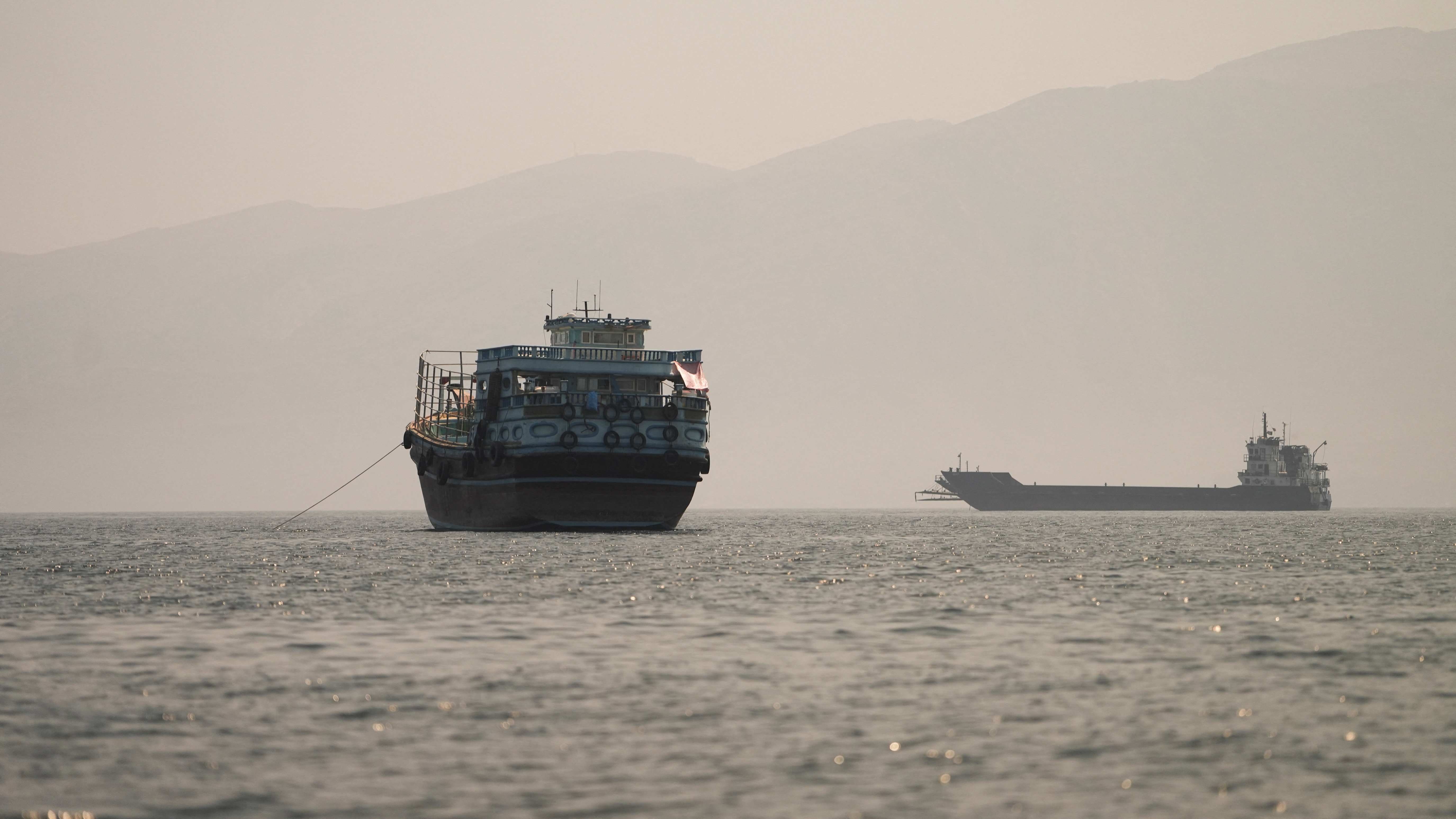
Whether Saturday’s talks produced any softening of that position is not established by the official outcome. Both sides agreed to continue “technical and political discussions” – language that is consistent with either substantive progress or a managed standstill.
The costs of continued standstill are not theoretical. More than 500 commercial vessels have been stranded in the Gulf since the conflict began in February, with more than 11,000 seafarers aboard, most from India and the Philippines, who have been at sea for months without confirmed passage. Before the closure, the strait carried roughly 20 percent of the world’s liquefied natural gas and crude oil daily. No party to the negotiations has publicly quantified the cumulative economic damage.
Araghchi also held separate consultations with Qatari officials in Muscat on Saturday. Qatar has served throughout the Iran-US negotiations as a back-channel between Washington and Tehran; the substance of those conversations was not disclosed.
The foundational disagreement the two-corridor plan papers over has not changed. Iran has never accepted that the Strait of Hormuz is international waters governed by universal freedom-of-navigation principles. Washington has never acknowledged that Tehran holds any authority to impose conditions on vessels in any lane of the strait. Oman’s proposal builds two parallel realities: one corridor where Iran’s authority is formally acknowledged, one where it is not. Whether Tehran can accept a permanent architecture in which its sovereign claims cover only part of the strait its military controls, and whether the IRGC will treat a northern approval lane as sufficient, is the question both delegations ended Saturday having agreed to keep discussing.













