
MUSCAT – The container ship that ran aground in the Strait of Hormuz on July 1 was not using Iran’s route. It was using Oman’s. From Tehran’s perspective, this was exactly what was supposed to happen.
The incident crystallizes a corridor war that has been developing in the strait since late June – two competing transit regimes now in simultaneous operation, each representing a different claim about who controls the world’s most consequential chokepoint. Iran’s IRGC has its “Route of Authority,” running south of Larak Island near the Iranian coast, demanding vessel registration, documentation, and fee payment before transit. Oman, working with the International Maritime Organization, announced a separate corridor on June 24 that routes ships along the Musandam Peninsula closer to the Omani side – bypassing Iran’s checkpoints entirely.
The IRGC’s response was immediate. A day after Oman and the IMO announced the alternative route, Iranian commanders declared it “unacceptable” and warned it “poses serious safety risks.” The statement was unambiguous: “The only authorised transit routes through the Strait of Hormuz are those designated by the Islamic Republic of Iran.” Ships were required to maintain contact with the IRGC Navy throughout any transit. Al Jazeera reported that the Ever Lovely – the container vessel struck by an unknown projectile in late June while using the Omani-approved route – had also been on the alternative corridor when it was hit.
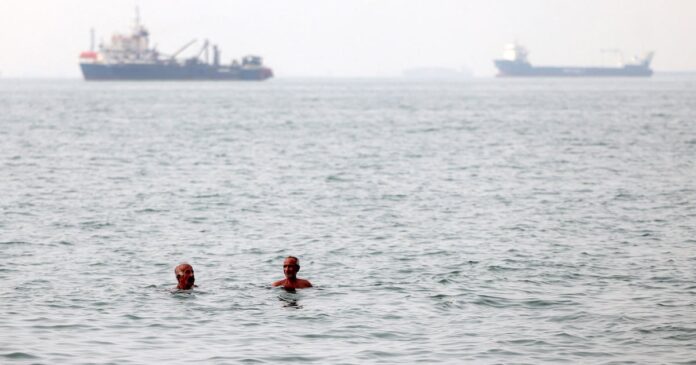
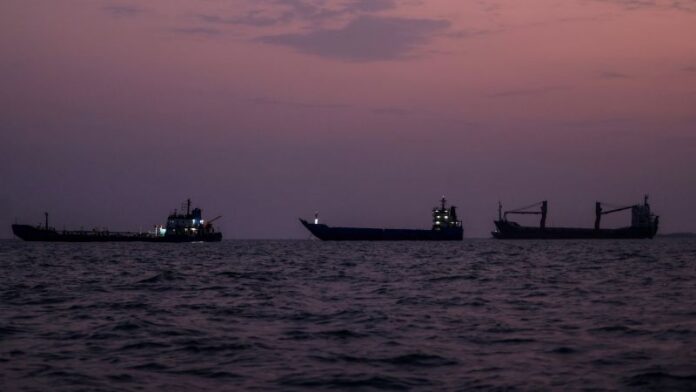
Despite the warning, ships kept using Oman’s lane. The Stoic Warrior led the first coordinated convoy along the southern corridor. Maersk Baltimore, operated by the Danish shipping giant, completed the passage. A second Maersk-chartered vessel transited the same day. Maritime intelligence firm Huax estimated that “in the order of a dozen vessels” used the Omani-side corridor over the weekend that followed – a figure that represents cautious resumption rather than a reopening, given that the waterway handled between 120 and 140 daily transits before the conflict began. The central channel remains unusable because of mines.
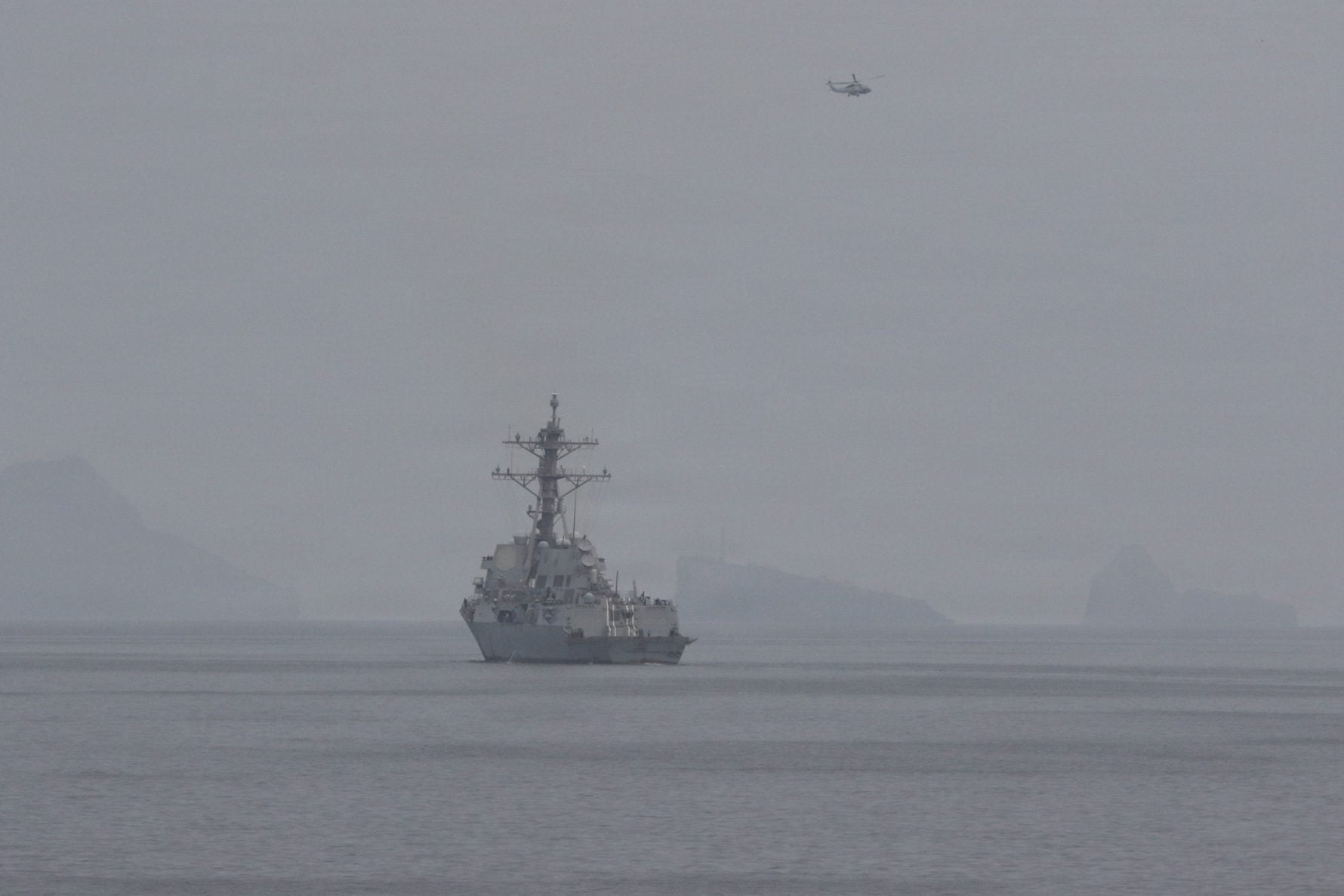
Then a container ship ran aground on July 1 on the shallow waters of the Omani side. Iran’s IRGC attributed it to the vessel straying from the “Route of Authority.” Iranian officials noted they had “repeatedly warned captains, shipowners and officials of shipping companies around the world” that routes other than the one Iran designated “could lead to irreparable incidents.” The IRGC did not frame the grounding as an accident. It framed it as a demonstration. Euronews reported that Iran’s IRGC small craft remained “clustered” around the southern corridor even after the Oman-IMO announcement, pushing back against any vessel “deemed to bypass their coordination.”
The corridor dispute is not a navigational disagreement. It is the physical expression of a sovereignty claim Iran has been constructing since mid-March. The Oman-anchored corridor was Iran’s original operational concession – a northern-shore route the IRGC managed while enforcing exclusions on the broader strait. What Oman and the IMO did on June 24 was introduce a southern-shore alternative that does not require IRGC coordination, effectively proposing that ships can transit the strait without recognizing Iran’s authority to grant them permission. The Persian Gulf Strait Authority, established in May 2026 to administer toll collection and route designation, holds that no such passage is possible under any framework other than Iran’s.
Every vessel that transited the Omani corridor did so under the UNCLOS transit passage framework – the international legal principle that straits used for international navigation are not subject to coastal state control. Every vessel that used Iran’s Route of Authority implicitly recognized something else: that Iran has the right to designate routes, charge fees, and exclude vessels based on their flag or ownership. Brent crude has only begun recovering toward pre-war levels as Hormuz traffic slowly resumes – but with roughly twelve vessels a day moving through a strait that once handled more than ten times that volume, the recovery depends entirely on which corridor regime ultimately governs passage.
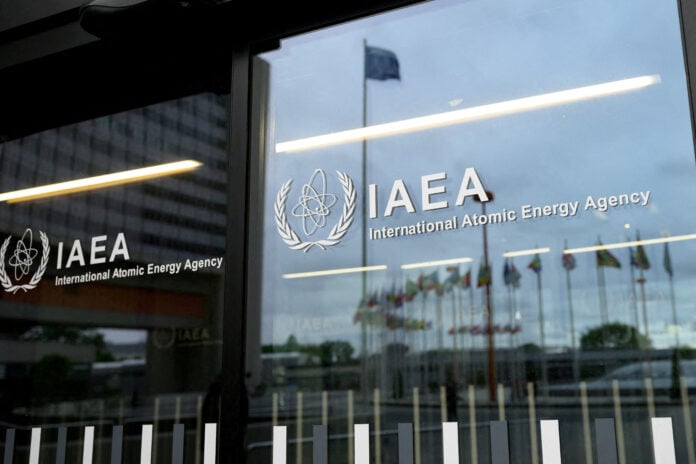
IMO Secretary-General Arsenio Dominguez has sought fresh guarantees from Iran, Oman, and the United States that vessels “would be respected, regardless of the corridor that they decide to take.” That request – equal protection across both routes – describes a world in which the two corridors coexist without coercion. Iran’s position makes that coexistence structurally impossible: if ships can choose Oman’s lane without consequence, Iran’s corridor ceases to be a point of control. The IRGC’s value in the negotiation evaporates the moment the alternative route is secure.
The Doha talks have identified Hormuz control as one of two primary obstacles to a final agreement. But the corridor question is not waiting for Doha. The Persian Gulf Strait Authority is collecting fees, issuing route instructions, and accruing operational data every day the waterway remains contested. The Oman-IMO corridor is moving vessels – or running them aground – regardless of what the next round of indirect talks produces. The Islamabad MoU does not contain a ceasefire clause, and it does not contain a corridor clause either. Both are operational facts on the water that diplomacy has not yet addressed.
What the IMO Secretary-General’s request for equal guarantees makes visible is that the international community’s principal maritime authority does not know which route is legally protected – because no agreement has settled that question. Iran’s IRGC answered the request before it was formally made. The grounding on July 1 was the answer: ships that choose the unauthorized route may get hurt. That is not the guarantee the IMO sought. It is the argument Iran is making while the talks in Doha address other things.