India’s fuel economy is no longer being shaped at the pump. It is being shaped at sea.
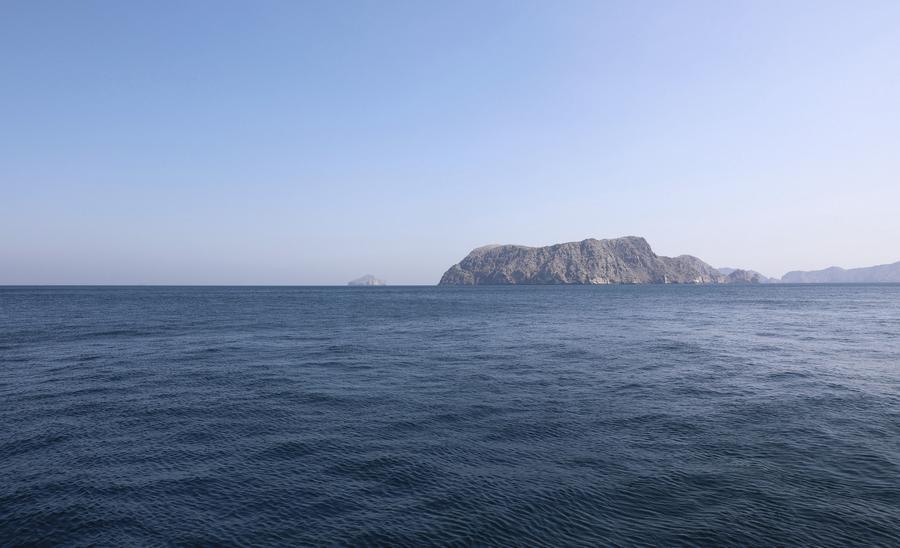
In recent weeks, as tensions have escalated around the disruption in the Strait of Hormuz, the narrow maritime corridor that carries a fifth of the world’s oil, global crude prices surged past $100 a barrel, with physical cargoes trading far higher in strained markets.
But across India, the numbers on petrol stations have barely moved.
That stillness masks a growing strain beneath the surface. India’s oil companies are incurring losses as state-run retailers continue to sell fuel below cost, absorbing the shock of rising global prices.
According to industry estimates, losses have widened sharply, with petrol and diesel being sold at significant discounts to international parity.
A Crisis Far From Home
The disruption began thousands of kilometers away.
A geopolitical escalation in the Persian Gulf has choked shipping routes and slowed tanker movement through one of the world’s most critical energy corridors. Experts say tankers stranded and shipments disrupted have reduced flows dramatically, forcing global buyers into a scramble for limited supply.
For India, the consequences are immediate. Nearly half of its crude imports pass through this chokepoint, making it structurally exposed to volatility.
The result is not a shortage, at least not yet, but a sharp increase in costs.
The Price That Does Not Move
In theory, India deregulated fuel prices years ago, allowing them to rise and fall with global markets. In practice, prices have remained frozen.
That decision has shifted the burden onto a handful of state-controlled companies: Indian Oil Corporation, Bharat Petroleum, and Hindustan Petroleum.
When crude prices were low, those companies posted strong profits. Now, with oil climbing rapidly, those gains are being erased. Analysts note that losses per litre have surged as global crude continues to rise.
The longer the freeze continues, the deeper the financial strain.
A Familiar Pattern
India has been here before.
Periods of high global oil prices have often been met with domestic price restraint, particularly when inflation is a concern. Fuel costs feed directly into food prices, transportation, and household expenses.
But each time, the cost is deferred rather than avoided.
This time, the scale is larger. Analysts describe the current crisis as the largest oil supply disruption in modern history, with global flows collapsing and prices surging across markets.
The Hormuz Effect
The Strait of Hormuz remains the focal point of the crisis.
Shipping volumes have plunged, insurance costs have surged, and traders have rerouted cargoes at higher cost. Even alternative suppliers are now commanding premiums, tightening margins further for import-dependent economies.
India’s response has included diversification. Over the past two years, India has increased its purchases of Russian crude oil, a strategy that continues to play a stabilizing role amid current disruptions.
At the same time, Moscow has signaled readiness to step in, with Russia prepared to divert oil to India as Middle Eastern supplies remain constrained.
These shifts reflect broader changes in shifting global energy flows, where geopolitical alignments are reshaping trade routes.
The Illusion of Stability
To consumers, the system appears stable. Fuel is available. Prices are unchanged.
But economists warn that this stability is fragile.
The government has already moved to cushion the impact, cutting fuel taxes to ease inflation pressures while maintaining supply stability.
Still, the underlying imbalance persists.
India remains highly exposed to external shocks, with analysts warning that India is highly vulnerable to supply disruptions if tensions persist.
The Road Ahead
For now, the system holds.
India has secured short-term supply buffers and diversified imports. But these measures offer only temporary insulation.
If disruptions continue, policymakers will face difficult choices: raise prices, expand subsidies, or allow oil companies to continue absorbing losses.
None of those options is without cost.
What is increasingly clear is that this oil shock is reshaping global markets, forcing countries like India to navigate a fragile balance between economic stability and geopolitical reality.
What appears as calm at the pump is, in truth, a system under pressure, held in place by policy, and tested by a crisis unfolding far beyond its borders.