RSV Vaccination During Pregnancy Reduces Infant Hospitalizations, New Global Evidence Shows
Respiratory syncytial virus, widely recognized as respiratory syncytial virus (RSV), has long remained one of the most persistent drivers of infant respiratory illness worldwide. Each winter season, hospitals from London to New York to New Delhi brace for a predictable surge in pediatric admissions. What is now changing is not the virus itself, but the medical world’s capacity to blunt its impact before newborns take their first breath outside the womb.
A growing body of clinical evidence suggests that maternal RSV vaccination is significantly reducing severe outcomes in newborns. The strategy is simple in design but profound in impact: vaccinate pregnant women so antibodies cross the placenta and protect infants during their most vulnerable first months of life.
This approach is now being reinforced by large-scale observational data, peer-reviewed research, and early national rollout outcomes that collectively point toward a measurable decline in infant respiratory admissions.
A virus that defines early pediatric risk
RSV is not a marginal seasonal infection. It is a dominant cause of lower respiratory tract disease in infants and a leading reason for hospitalization in children under one year of age. According to the RSV hospitalizations data compiled by US health authorities, the burden of disease is both predictable and intense, with sharp seasonal peaks placing sustained pressure on emergency pediatric care systems.
Historically, clinicians have had limited tools beyond supportive care. Oxygen therapy, hydration, and hospitalization have been the standard response. The introduction of maternal immunization is therefore being viewed not as an incremental improvement, but as a structural intervention in pediatric infectious disease prevention.
From pregnancy to protection: how immunity is transferred
The scientific basis for this intervention lies in placental immunology. During pregnancy, maternal antibodies naturally cross the placenta, providing passive immunity to the fetus. This mechanism, known as placental antibody transfer, has already been used successfully in vaccines targeting influenza and pertussis.
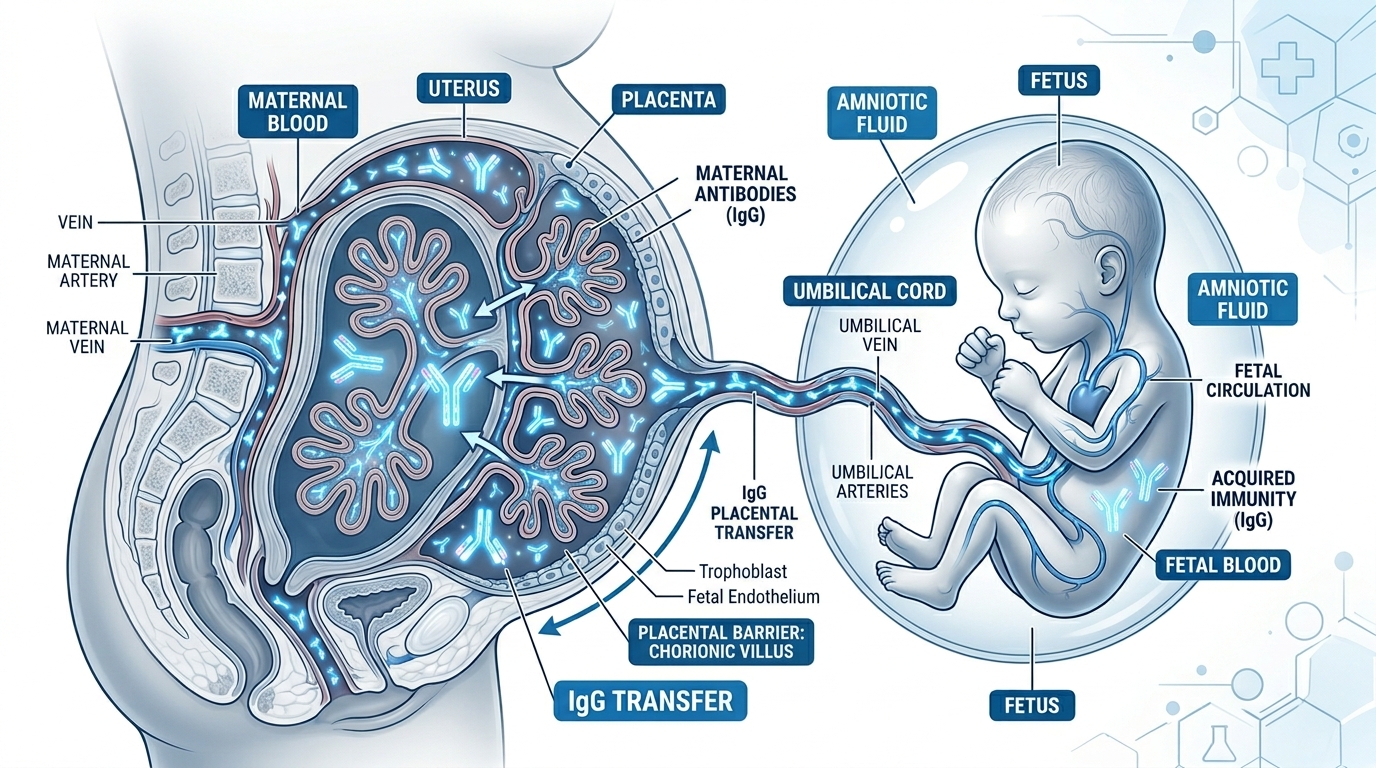
RSV vaccination extends this principle to a virus that disproportionately affects newborn lungs. The result is early-life immune coverage during the critical window when infants are too young to mount a robust immune response of their own.
This biological pathway is central to what researchers describe as neonatal respiratory disease prevention, a broader shift toward maternal immunization strategies designed to reduce infant morbidity before exposure occurs.
Clinical outcomes: hospitalizations fall
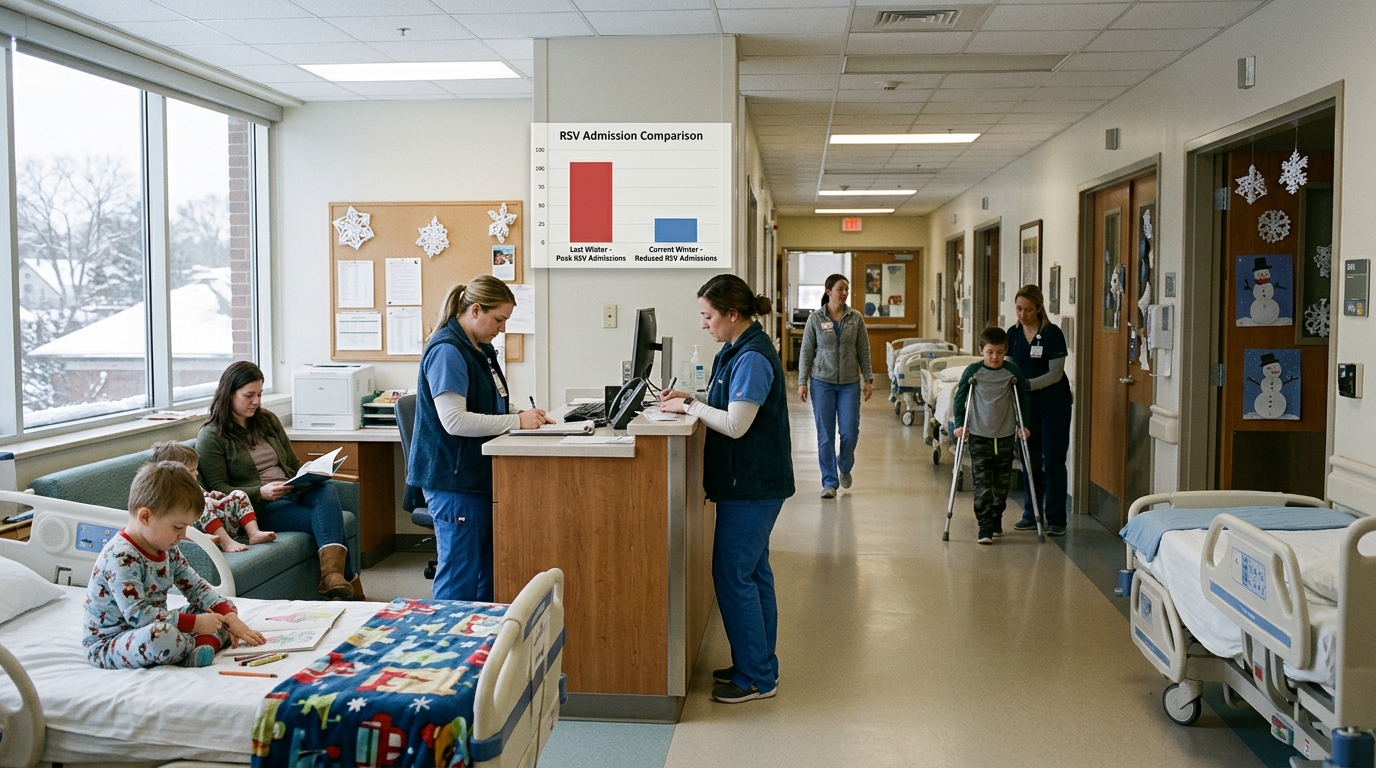
Recent evidence indicates that infants born to vaccinated mothers experience significantly fewer severe respiratory outcomes. In multiple datasets, reductions in hospital admissions have ranged from moderate to substantial depending on vaccination timing and coverage levels.
Peer-reviewed findings published in leading journals, including infant respiratory protection studies, show consistent reductions in severe RSV-related illness among newborns in their first months of life.
Real-world surveillance has reinforced these findings. Early rollout programs in Europe and the United Kingdom indicate that real-world vaccine effectiveness is beginning to mirror clinical trial outcomes, particularly when vaccination occurs within the recommended late-pregnancy window.
In several monitored cohorts, reductions in infant RSV hospitalizations have reached levels that health systems describe as operationally significant, easing seasonal pressure on pediatric wards during peak winter months.
A system under pressure
The broader context for these findings is a healthcare system already strained by overlapping respiratory threats. Recent years have seen simultaneous circulation of influenza, RSV, and other emerging respiratory pathogens, amplifying demand on emergency care infrastructure.
Earlier outbreaks and surveillance challenges, including those documented in reports on respiratory virus surveillance gaps, have underscored how quickly viral respiratory illness can overwhelm hospital capacity when seasonal waves converge.
Similarly, prior public health reporting on infectious disease cases such as the infant infectious disease risk linked to travel-related exposure illustrates how rapidly vulnerable populations can be affected when immunity gaps exist.
The policy shift: prevention before birth
What distinguishes maternal RSV vaccination from earlier interventions is timing. Instead of responding to infection after birth, immunity is established before exposure occurs. This preventative model aligns with broader public health efforts aimed at reducing RSV vaccine approval coverage and expanding immunization into prenatal care systems.
Public health agencies are increasingly framing this approach as a cornerstone of seasonal respiratory preparedness. The strategy is not limited to RSV alone but reflects a wider shift toward anticipatory immunology in maternal-fetal medicine.
Global implications and unresolved questions
Despite promising results, several uncertainties remain. Researchers continue to evaluate duration of infant protection, optimal vaccination timing, and how maternal immunization compares with emerging monoclonal antibody strategies for newborns.

At the population level, however, early signals are consistent. Maternal vaccination is reducing severe infant illness, particularly in settings with strong antenatal care access and high uptake rates.
As noted in global surveillance frameworks maintained by the World Health Organization, RSV remains a leading cause of infant respiratory morbidity worldwide. The introduction of maternal immunization therefore represents one of the most consequential shifts in pediatric infectious disease prevention in decades.
A cautious but decisive turning point
The evidence does not eliminate RSV. It does not erase seasonal surges or remove clinical burden entirely. But it does change the scale of impact.
With continued expansion of respiratory syncytial virus (RSV) vaccination programs, combined with evolving surveillance and treatment strategies, public health systems are beginning to shift from reactive crisis management toward prevention-driven control.
In that transition lies the most significant development: for the first time, protection against one of the most common causes of infant hospitalization is being established before birth rather than after infection.