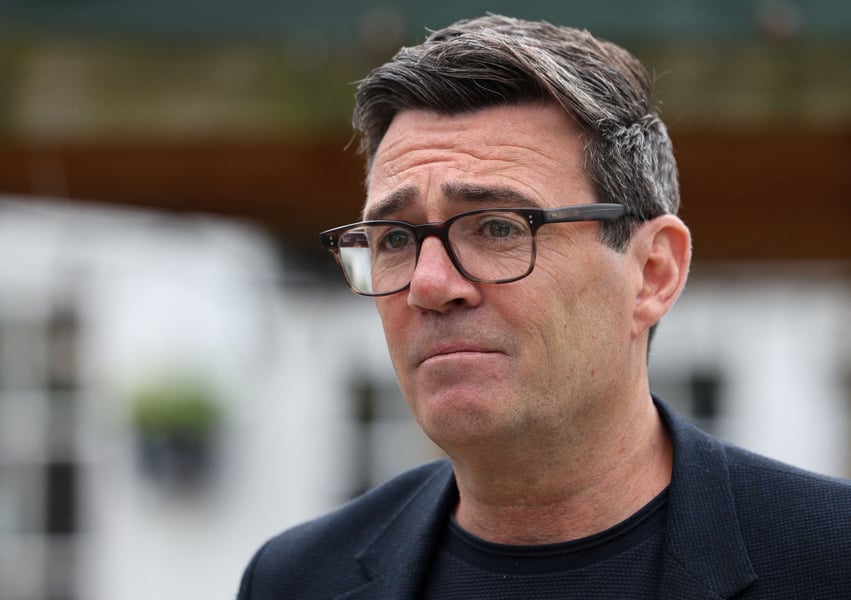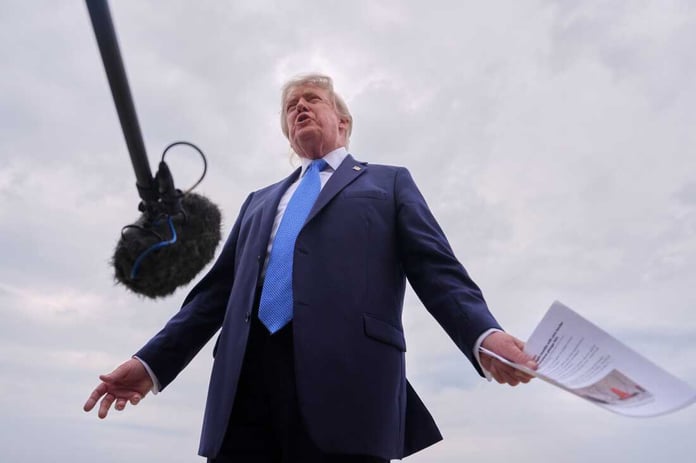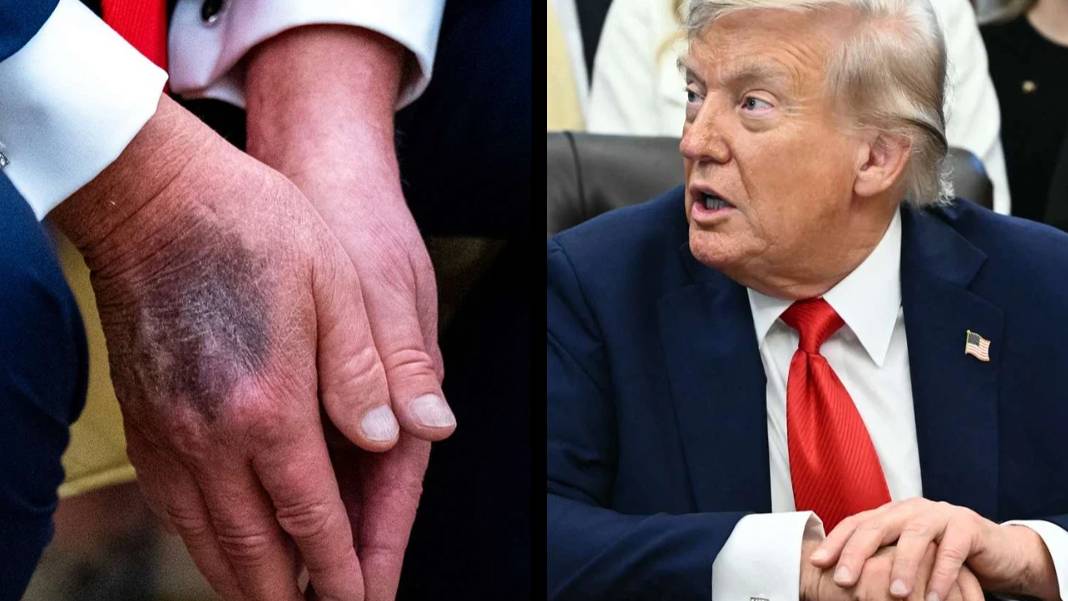

WASHINGTON — The bruises on his hands appeared again at the podium last week, visible under the stage lights. Three days after Donald Trump spent more than three hours at Walter Reed National Military Medical Center for what the White House called routine annual evaluations, a three-page memo arrived from the president’s physician — not in the morning, but at 10:44 p.m. on a Friday. It declared him in excellent health. Independent doctors reading it said they were left with more questions than the report answered.
The memo, signed by Navy Capt. Sean Barbabella, the physician to the president, concluded that Trump — who turns 80 on June 14 — demonstrated strong cardiac, pulmonary, neurological, and overall physical function, and was fully fit to carry out the duties of his office. The White House called the visit a six-month checkup, though Trump’s prior physicals at Walter Reed took place in April and October 2025, making this his fourth publicly disclosed exam since returning to office last year.
What the memo did not answer was, for several cardiologists who reviewed it, precisely the problem. The recurring bruising on Trump’s hands — which the White House has attributed to frequent handshaking and his use of aspirin — was again noted but not explained in clinical terms. The ankle swelling, first disclosed in July 2025 when Trump was diagnosed with chronic venous insufficiency, was described as slightly improved from the year before. The repeated cardiac imaging, performed at each visit to Walter Reed, was mentioned without any explanation of why it was necessary. And questions about Trump’s alertness during certain public events were not addressed at all.
Jonathan Reiner, a cardiologist at George Washington University who served as Dick Cheney’s heart doctor for more than a decade, told CNN that the report did not explain why the cardiac scans were being repeated or whether Trump’s daytime fatigue — noted and then disputed by the White House — had been clinically assessed. After each of these reports, Reiner said, the conclusion was the same: the president is fit to serve. But the path to that conclusion remained opaque.
The memo noted that an AI-assisted electrocardiogram analysis placed Trump’s cardiac age at roughly 14 years younger than his chronological age — a figure that has appeared in previous White House health releases. Several physicians cautioned that such an assessment is not a standard diagnostic measure. Bob Wachter, chair of the Department of Medicine at the University of California San Francisco, said Trump appeared to be in generally acceptable cardiovascular shape, but two things in the report struck him: Trump is taking two separate cholesterol medications, yet his lipid values appeared normal. Why both drugs are necessary at those doses was not explained. A high-dose aspirin regimen, which Barbabella has continued to note as the cause of the hand bruising, also runs above what most cardiologists now recommend for patients his age.
The weight listed in the latest memo — 238 pounds — was 14 pounds heavier than the figure in the April 2025 physical, a shift the report acknowledged without further comment. Barbabella recommended that Trump increase his physical activity and work toward weight reduction. The memo also advised continued low-dose aspirin use, a modification of the high-dose regimen previously cited as the cause of the hand bruising.
The report was the product of consultations with 22 specialists over the past year, the White House said. It covered results from laboratory tests, cardiac imaging, neurological assessments, and pulmonary screenings. Trump passed a cognitive evaluation, which Barbabella said confirmed the president’s mental fitness for office. Trump himself told reporters on Sunday that he had aced the cognitive test — a refrain he has used since his first term, when the Montreal Cognitive Assessment became a political emblem he wielded against his critics.
Whether the public is entitled to more than what the memo contained is, legally, an open question. Sara Rosenthal, a bioethicist at the University of Kentucky, told Axios that no statute requires a president to disclose any health information at all. The norms are political, not legal, and they shift depending on who holds the office and what the public and press push hard enough to demand. Trump has been no different from some of his predecessors on this front — and far more forthcoming than others. But the pattern, physicians said, is one of releasing information that affirms the preferred conclusion while declining to explain the clinical reasoning behind it.
There is a history here worth recalling. During Trump’s first term, a letter signed by his gastroenterologist — later revealed to have been largely written by Trump himself — declared him the healthiest individual ever to seek the presidency. That doctor later said the letter was dictated to him in five minutes while a Trump limousine idled outside his office. The episode did lasting damage to the credibility of White House medical disclosures. Barbabella’s memos in this term have been more detailed by comparison, but they have not repaired the underlying tension between a presidential health system that answers to the president and a public that has a legitimate interest in knowing whether the most powerful officeholder in the world is capable of doing the job.
Trump’s second term has made that question more pointed. He is, at 79, the oldest person ever inaugurated as president. A Reuters/Ipsos poll published in February found that a majority of Americans, including roughly 30 percent of Republicans, believed Trump had become erratic with age. The White House has pushed back sharply against that characterization, pointing to his schedule and his public appearances as evidence that his stamina remains intact. His physician’s memo made the same argument: Trump maintains a demanding daily schedule without restriction.
What it did not do, according to the cardiologists and internists who reviewed it, was answer the questions that prompted the scrutiny in the first place. Why the repeated cardiac scans. What the two cholesterol medications are treating. Whether the drowsiness reported at several public events has been clinically evaluated. The memo arrived late on a Friday, as the week’s other news was settling, and said what White House health memos have always said: the president is fine. The doctors reading it are not so sure.
Related Posts