Apple is preparing one of its most ambitious upgrades to the iPhone’s Photos app, betting heavily on artificial intelligence to redefine how users edit images. With iOS 27, expected to be unveiled at the company’s Worldwide Developers Conference in June, the tech giant is planning a major overhaul of photo editing features powered by next generation AI.
At the center of this overhaul is the Apple Intelligence platform, which has been gradually expanding across devices since its debut. The new update signals a clear shift: Apple is no longer experimenting with AI photography but attempting to compete directly with rivals that have already embedded advanced editing tools into their smartphones. Earlier iOS 27 leaks reveal major Apple Intelligence upgrade also hinted at this broader transformation.
The upcoming release will introduce a dedicated Apple Intelligence Tools section in the Photos app, a move that reflects the company’s intent to make AI editing a core experience rather than a niche feature.
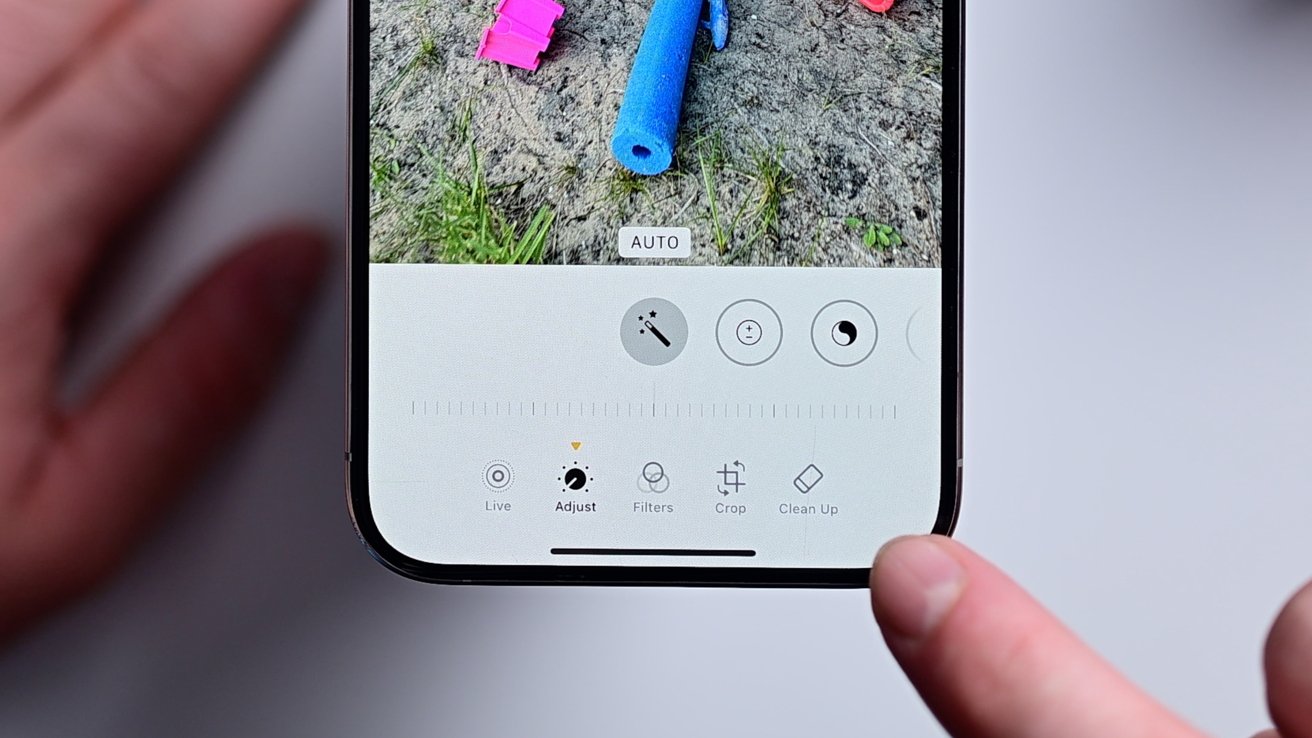
A New Era of AI Photo Editing
Three flagship tools Extend, Enhance and Reframe are expected to define the iOS 27 experience. According to reports, these AI-powered photo editing tools like Extend, Enhance and Reframe could fundamentally change how users interact with their images.
The Extend feature represents Apple’s entry into generative image expansion, allowing users to stretch a photo beyond its original boundaries. By filling in missing areas with AI-generated content, users can effectively “zoom out” of an image even after it has been captured. This technology mirrors capabilities already seen in competing ecosystems, but Apple’s approach emphasizes privacy and on-device AI editing capabilities.
Enhance, meanwhile, focuses on refining images automatically. With a single tap, the system adjusts lighting, color balance and overall clarity, pushing Apple closer to a future where manual editing becomes optional.
Reframe, perhaps the most experimental of the trio, is designed for spatial photography. It allows users to alter the perspective of an image after it has been taken, shifting angles or focus points without requiring multiple shots. This feature could play a key role in Apple’s broader ecosystem, especially as devices evolve. Reports around Apple iPhone Fold leaks reveal bold design shift suggest future hardware may further amplify such capabilities.
Catching Up in the AI Race
Apple’s push into AI editing comes amid growing competition from Android manufacturers. The company’s strategy reflects Apple’s effort to compete with Android AI features, particularly those introduced by Google and Samsung in recent years.
Companies like Google have already popularized features such as object removal, image unblurring and generative fill. Developments like Google NotebookLM gets major AI upgrade highlight how quickly the AI ecosystem is evolving across platforms.
Apple’s earlier attempts at AI editing were seen as cautious, but with iOS 27, the company appears determined to close the gap. The redesign of the Photos app and the consolidation of AI tools into a single interface signal a deeper commitment to artificial intelligence.
Still, the transition has not been without challenges. Earlier updates, including iOS 26.5 leak reveals Apple’s biggest messaging upgrade, showed how the company has been gradually laying the groundwork for a broader AI rollout.
On-Device AI as a Differentiator
A defining element of Apple’s strategy is its focus on on-device processing. Unlike many competitors that rely heavily on cloud based AI, Apple Intelligence is designed to perform tasks locally, ensuring faster results and enhanced privacy.
This approach aligns with Apple’s broader ecosystem ambitions. As outlined in Apple’s Ultra strategy and next generation devices, the company is increasingly integrating hardware and software to deliver premium, tightly controlled experiences.
By leveraging its custom silicon, Apple aims to deliver advanced AI capabilities without compromising user data a concern that has increasingly shaped the global conversation around artificial intelligence.
What It Means for Users
For everyday users, the implications are significant. Tasks that once required professional tools or third-party apps could soon be handled natively within the iPhone’s Photos app. Editing a poorly framed image, correcting lighting issues or even reimagining a shot’s composition may become as simple as tapping a button.
Yet the broader question remains: how far should AI go in altering reality? As tools like Extend and Reframe blur the line between photography and generated imagery, Apple will need to balance innovation with authenticity a challenge that extends beyond technology into ethics.
For now, iOS 27 represents Apple’s clearest statement yet in the AI era. The company is not merely adding features; it is redefining how users interact with their memories, turning every photo into something fluid, editable and increasingly intelligent.