

Sleep has become one of the most aggressively commercialized frontiers in modern wellness. In pharmacies, digital marketplaces, and algorithm-driven health feeds, magnesium powders and melatonin gummies are positioned as effortless interventions for a deeply complex biological problem.
Yet across clinical literature and institutional guidance, a more restrained conclusion is emerging. These compounds play legitimate physiological roles, but their transformation into universal sleep solutions has outpaced the evidence base supporting their long-term or broad-spectrum use.
The expansion of a global sleep supplement market
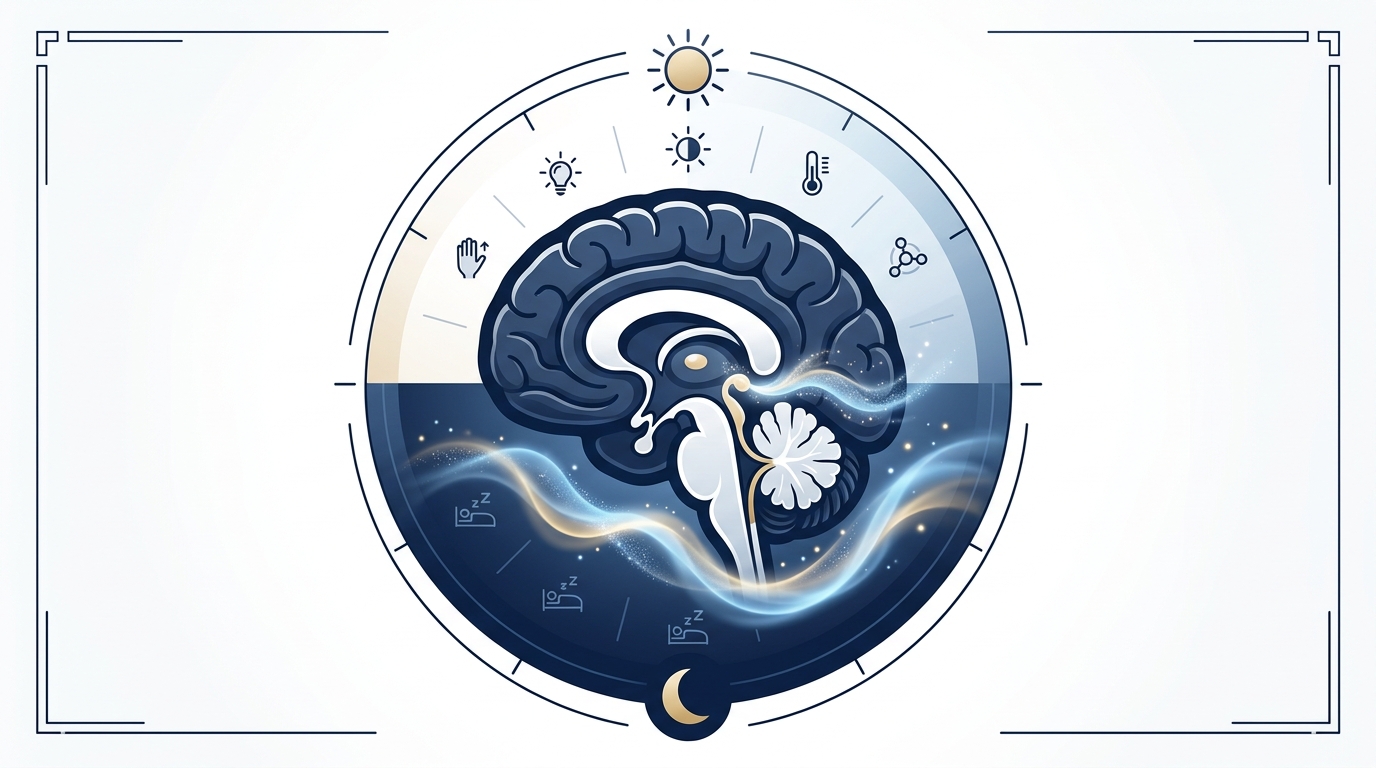
While sleep technology continues to evolve, from smart biometrics to AI-driven mattresses such as those analyzed in advanced sleep optimization systems, the biochemical shortcut remains the dominant consumer preference.
Magnesium and the limits of wellness interpretation
Magnesium has become a central figure in sleep wellness discourse, frequently promoted for relaxation and stress reduction. Yet its clinical impact remains inconsistent outside deficiency contexts.
Broader wellness narratives often conflate physiological plausibility with therapeutic certainty, a pattern also visible in alternative neuro-sleep compounds explored in experimental research discussions such as sleep-related neuropeptide studies.

The regulation gap in modern sleep science
The supplement industry continues to operate in a regulatory gray zone where efficacy is not uniformly required before commercialization. This structural gap has enabled widespread consumer experimentation without clinical oversight.
Behavioral and environmental sleep science
In contrast to supplementation trends, some of the most durable insights in sleep research point toward behavioral and environmental correction rather than chemical intervention.
Clinical perspectives increasingly emphasize sleep hygiene restructuring, circadian alignment, and cognitive interventions as primary tools for long-term insomnia management.
Cultural distortion of biological complexity
The growing reliance on sleep supplements reflects a broader cultural pattern: the reduction of systemic biological processes into consumable solutions.

Even outside sleep medicine, biological systems are increasingly reframed through optimization narratives rather than structural understanding.
Conclusion: sleep cannot be outsourced to supplementation
The promise of magnesium and melatonin lies in accessibility, not comprehensiveness. While both compounds retain legitimate biological functions, their elevation into universal sleep solutions reflects a mismatch between consumer expectation and clinical evidence.
Sleep remains a multidimensional physiological process, one shaped by behavior, environment, neurochemistry, and long-term regulation rather than isolated supplementation.