
NEW YORK — For an American on Medicare, the price of a weight-loss drug falls to fifty dollars a month on the first of July, no matter the dose. The two companies that make those drugs have spent six months positioning for that single line on the calendar.
Novo Nordisk and Eli Lilly are racing to lock in patients before the Medicare GLP-1 Bridge opens, CNBC reported, a program that from July 1 lets eligible Part D beneficiaries fill prescriptions for Novo’s Wegovy pill, Lilly’s Zepbound injection and Lilly’s new Foundayo pill at a flat $50 copayment. The program, born of pricing deals the White House struck with both companies, was designed to run through December and has already been extended to the end of 2027.
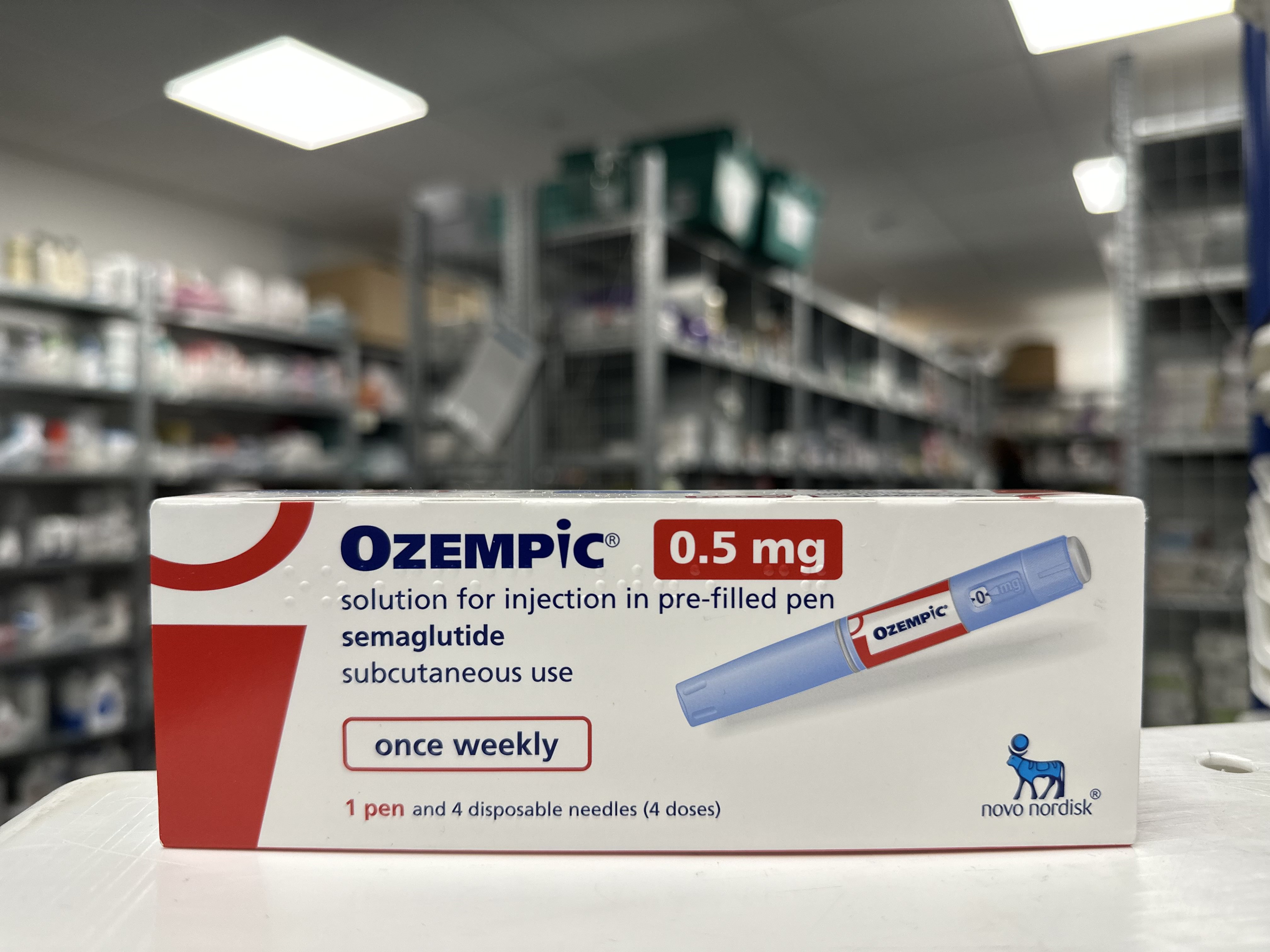
The scoreboard going in belongs to Novo. Its once-daily Wegovy pill, the oral form of semaglutide, launched on January 5 and has topped 3 million US prescriptions in roughly five months, the strongest volume launch any GLP-1 drug has managed. Lilly’s answer arrived in April: Foundayo, the pill form of orforglipron, cleared the FDA as the only weight-loss pill in the class that can be taken at any time of day with no food or water restrictions, a convenience argument aimed directly at the daily ritual Novo’s pill requires.
Until now the fight has been over people paying cash. Novo’s pill starts at $149 a month and runs to about $299 at the highest doses, while Foundayo starts at $149 and tops out at $349, or $299 for patients who keep renewing. July 1 changes the arithmetic entirely: under the Bridge, the patient pays $50 regardless of drug or dose, which strips price out of the competition and leaves the two companies fighting on habit, tolerability and whichever pill a doctor reaches for first. Lilly’s chief executive, David Ricks, told CNBC in January that Medicare coverage could change the game for the pill launch. It was the rare piece of executive forecasting that understated things.
The market both companies are chasing is the largest in modern pharmaceutical history. JP Morgan’s research arm projects the global incretin market reaching $200 billion by 2030, with roughly 25 million Americans on GLP-1 treatment by then, up from about 10 million last year. Those are forecasts, built on assumptions about insurance coverage that programs like the Bridge are only beginning to test, and they are the same forecasts that justify both companies’ manufacturing buildouts. If the enrollment disappoints, the projections come down with it.
The pills themselves are why mass coverage became thinkable. Injectable semaglutide and tirzepatide made the category famous, but pills are cheaper to make, easier to ship, and free of the cold chain that complicates needles, which is what makes a $50 copay for tens of millions of beneficiaries fiscally imaginable at all. The FDA cleared the path in April when it approved the Wegovy pill for weight loss, and regulators have spent the spring closing the side doors: the agency moved in May to crush the compounded knockoff market that had been undercutting both companies on price.
The unspoken question is what this does to Medicare itself. The program’s trustees said this week that the hospital insurance fund runs short in 2033, and Social Security’s retirement fund empties a year earlier. A flat $50 benefit for the most in-demand drug class in America is either a bargain that prevents far costlier cardiac and diabetic care later, as the companies argue, or a new entitlement layered onto a system already running out of road. Both can be true on different timelines, and the Bridge’s extension to 2027 means the bill arrives after the next election rather than before it.
What nobody can yet measure is uptake. The Bridge’s $50 price exists on paper; how many of Medicare’s eligible millions actually enroll, stay on the drugs, and tolerate them long enough to matter will not be visible until autumn. Novo’s 3 million prescriptions are a volume number, not a revenue disclosure, and neither company has said what the flat copay does to its margins on every Bridge patient.
Three weeks from now, the largest buyer of medicine in the United States starts paying for weight loss by the month. The two companies that spent years pricing these drugs like luxuries are about to find out what happens when they price like utilities, and which pill people reach for when money is no longer the question.