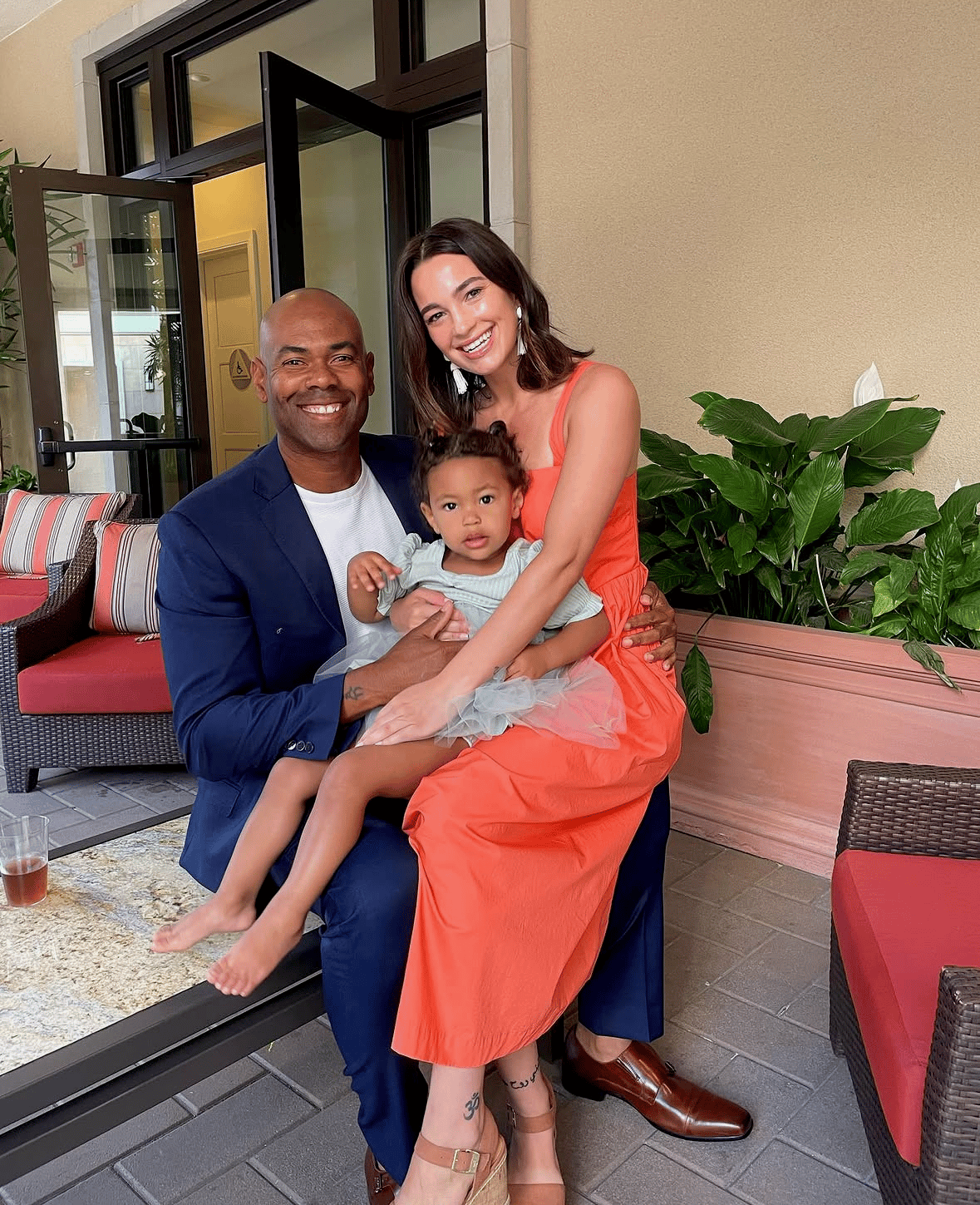

SANTA MONICA, Calif. — He had been coaching from a bench for weeks. A walk that once took a minute was taking ten. Every breath looked labored. Every movement looked painful. What Daren Auld told himself, and what his family initially believed, was that he had an abdominal tear — an injury that might explain the weight that was falling off him, the shortness of breath, the slow deterioration of a man who stood 6’4″ and had spent his adult life on a tennis court.
It was not a tear. When Auld was admitted to a Santa Monica hospital and underwent emergency testing, doctors found a mass in his colon, additional tumors on his liver, and further spots on his lungs. The diagnosis: Stage 4 colon cancer. He was 48 years old, self-employed, and had no adequate health insurance.
His younger brother, Brenn Auld, described the moment he arrived at the courts and saw Daren for the first time in weeks. “I almost didn’t recognize him,” Brenn said. “This was a man who stood 6’4″ with a commanding presence, and now he was struggling just to walk from the parking lot to the courts. What used to take a minute or two was taking more than ten minutes.”
For several weeks before the hospitalization, Brenn had been stepping in to physically hit balls with students on the courts at Ocean View Park while his brother coached from the bench — a quiet arrangement that allowed Daren to keep working and keep earning for the family depending on him. He is the sole breadwinner for his wife and two young children, including an infant son.
“He was focused on taking care of everyone else long before he knew how serious his own condition was,” Brenn said.
The call that ended the arrangement came as a text message summoning Brenn to the hospital. Daren had been admitted and needed an emergency blood transfusion. It was there that Brenn learned the full picture — the colon mass, the liver involvement, the lung spots. “I remember feeling like the air left the room,” he said. He drove to the hospital within the hour and spent the night. Even then, his brother kept asking how the students were playing.
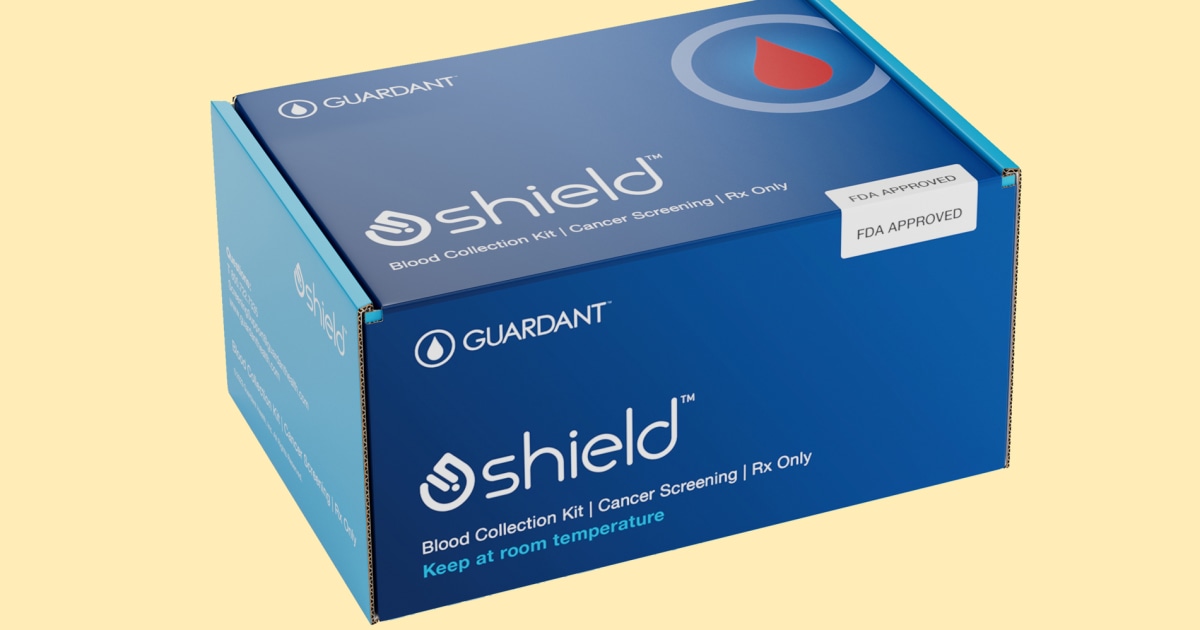
The story Brenn Auld tells about his brother is not, at its core, a story about cancer. It is a story about what happens when a self-employed American — no employer health plan, no employer subsidy — discovers a life-threatening illness too late to treat it easily and far too late to treat it cheaply. The financial crisis arrived alongside the medical one. With no adequate coverage, the mounting costs of chemotherapy, a liver biopsy, blood clot management, and the physical therapy Daren now requires have compounded an already devastating situation.
Research has long documented this pattern. According to the American Cancer Society, uninsured patients and those on Medicaid are significantly more likely than privately insured patients to be diagnosed with cancer at Stage III or Stage IV — precisely the stages at which treatment is most difficult and survival rates are lowest. For colorectal cancer specifically, the gap is measurable and persistent. The National Cancer Database data, analyzed in a 2022 study published in CA: A Cancer Journal for Clinicians, found that uninsured patients were substantially more likely to present with late-stage disease across nearly every major cancer site. The mechanism is not complicated: without coverage, preventive screenings do not happen on schedule. By the time the situation becomes undeniable, it is often Stage 4.
Daren Auld’s case fits that pattern almost precisely. His symptoms — weight loss, breathlessness, deteriorating mobility — worsened over weeks before his hospitalization. Whether an earlier screening might have caught the cancer at a more treatable stage is not something his family knows. What they do know is that he is now undergoing chemotherapy, recovering from a liver biopsy, and managing blood clots while beginning physical therapy. The road is uncertain and the bills are real.
The policy landscape around the uninsured and cancer is shifting simultaneously. This week, CNN reported that the Trump administration’s new Medicaid work requirement rules — which take effect in January 2027 in most states — will require cancer patients on Medicaid to prove their illness actively prevents them from working in order to qualify for a medical exemption. Patient advocacy groups, including the American Cancer Society Cancer Action Network, said the rule would create insurmountable obstacles for people in active treatment. For a self-employed person like Daren Auld who never qualified for Medicaid coverage at all, the debate is somewhat beside the point. The gap that found him is upstream of what any work requirement exemption could address.
In the absence of insurance adequate to meet those costs, the community Auld spent years building at Ocean View Park is doing what communities do when institutions fall short. A GoFundMe campaign — gofundme.com/f/support-darens-fight-against-stage-4-cancer — has been launched to help the family manage expenses. The response, Brenn said, reflects not just concern but something closer to a debt being repaid.
“What started as coaching tennis became much more than that,” Brenn said. “Over the years he built genuine relationships with students, parents, fellow coaches, and families throughout the Santa Monica community. Many of the people who came to him for tennis instruction ended up becoming lifelong friends.”
Brenn had been the original connection between the Ocean View Park courts and Daren — he was an instructor there himself before relocating out of state nearly five years ago, and he handed his students to his brother with confidence they would be well cared for. What he found when he returned was that Daren had built something that extended far beyond the handoff.
“Daren doesn’t ask people for help,” Brenn said. “It’s completely out of character for him. The moment I knew something was seriously wrong was when he called me and asked.” The quality that made asking for help so foreign — a disposition to support others before considering himself — is the same quality that put him on that bench, coaching through whatever his body was doing, for as long as he could.
He is, his brother said, someone shaped by sport in the particular way that high-level competitors sometimes are: his years as a junior player and college athlete built a tolerance for difficulty that now has to be redirected. “He knows how to lock in,” Brenn said. “The same determination, discipline, and resilience that helped him compete are the same qualities he is bringing into this battle.”
What Daren Auld’s treatment will look like from here — how many cycles of chemotherapy, what the biopsy results mean for prognosis, whether his condition stabilizes — was not known at the time of this reporting. The family has not spoken publicly beyond the GoFundMe campaign and the account Brenn Auld provided to the Santa Monica Daily Press. What is known is that the insurance gap at the center of his situation is not an anomaly. According to the American Cancer Society Cancer Action Network, people without health insurance are more likely to be diagnosed with cancer at a late stage, to incur catastrophic medical debt, and to face compounding financial crises that arrive alongside the medical ones. Daren Auld is 48, and he is experiencing all of it at once.
“This is a community trying to support someone who has spent a lifetime supporting everyone else,” Brenn Auld said.
Related Posts