

A long-running epidemiological study tracking nearly 40,000 older adults has added new weight to a contentious question in nutritional neuroscience: whether everyday dietary choices can meaningfully influence Alzheimer’s disease risk. The findings point to a consistent association between egg consumption and lower incidence of dementia, though researchers caution that causality has not been established.
Across a follow-up period of roughly 15 years, researchers observed a dose-related pattern. Individuals who consumed eggs more frequently showed lower rates of Alzheimer’s disease compared with those who rarely included them in their diet. The association persisted even after adjusting for age, lifestyle, and broader dietary patterns, strengthening the statistical signal without resolving its biological interpretation.
At the center of the analysis is a recurring epidemiological observation described as a lower incidence of Alzheimer’s disease among participants with higher egg intake. The relationship was not binary but graded, suggesting a dose-dependent association with egg consumption, where increased frequency correlated with progressively lower risk estimates.
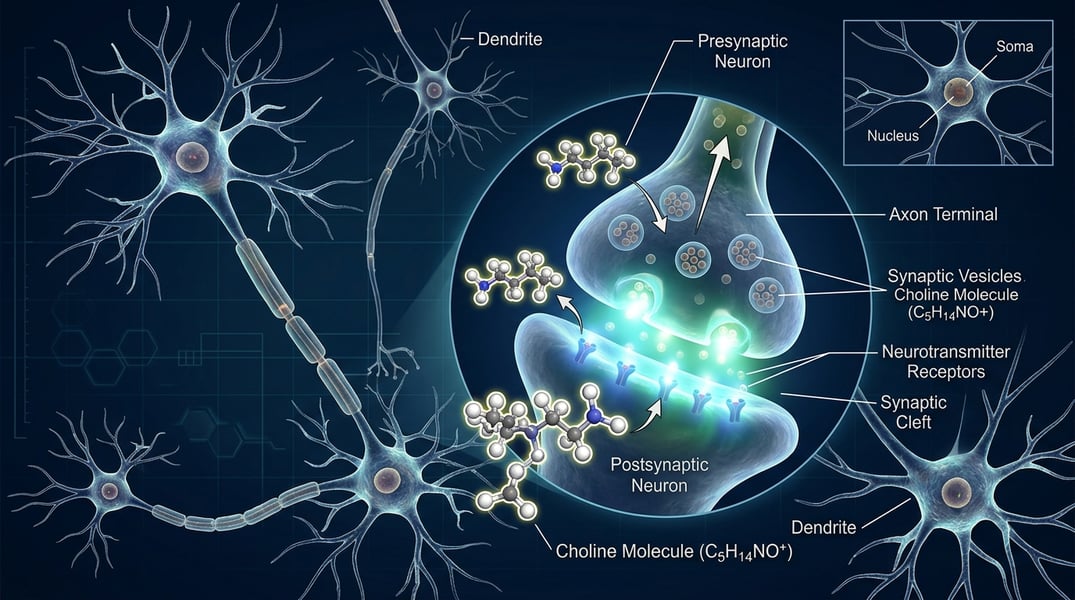
This biological pathway is reflected in the literature describing choline essential for acetylcholine synthesis, which has become one of the most frequently referenced mechanistic links in Alzheimer’s nutrition research. The hypothesis is not that eggs prevent neurodegeneration directly, but that they may contribute to maintaining neurotransmitter balance in aging brains.
Other analyses expand this framework by examining broader nutrient interactions. Compounds such as lutein, vitamin B12, and folate are repeatedly highlighted in discussions about nutrients involved in cognitive function and memory. These nutrients intersect with pathways related to oxidative stress, vascular health, and neuronal maintenance, all of which are implicated in Alzheimer’s pathology.
Importantly, the scientific literature remains cautious. Observational research cannot isolate dietary exposure from lifestyle complexity. Individuals who consume eggs regularly may also differ in physical activity, healthcare access, or overall dietary structure. This is why many researchers frame the findings as an observational association between diet and Alzheimer’s risk rather than evidence of direct prevention.

Parallel research in neurobiology continues to map the biochemical environment of cognitive decline. Protein aggregation, inflammatory signaling, and synaptic degradation remain central mechanisms in Alzheimer’s progression. Within this framework, dietary factors are increasingly viewed as modulators rather than primary causes.
The broader scientific discourse also places eggs within a larger nutritional matrix. Studies on metabolic health and aging suggest that systemic conditions such as diabetes, vascular disease, and chronic inflammation are strongly linked to cognitive decline risk. In this context, dietary patterns rather than individual foods are considered more predictive of outcomes.
Eastern Herald’s health reporting ecosystem has previously explored adjacent themes such as metabolic deterioration and lifestyle-driven disease pathways, including analyses of metabolic disorders and cognitive decline risk pathways. These systemic frameworks provide context for understanding why nutrition research increasingly intersects with broader chronic disease models.
Similarly, preventive health narratives emphasize the role of long-term behavioral interventions in shaping disease trajectories. Discussions around well-being interventions and cognitive resilience highlight the growing integration of lifestyle medicine into neurological research discourse.

Despite growing interest, experts remain divided on how far dietary correlations should be interpreted. Some researchers argue that nutrient-dense foods like eggs contribute indirectly to brain health by supporting vascular and metabolic stability. Others caution that the observed associations may reflect broader lifestyle patterns rather than food-specific effects.
What remains consistent across datasets is the directionality of the signal: higher egg consumption is not associated with increased Alzheimer’s risk in the studied populations, and in multiple cohorts, it correlates with reduced incidence. Whether this reflects causation, substitution effects, or unmeasured confounding remains unresolved.
As Alzheimer’s research continues to evolve, the role of nutrition is shifting from peripheral consideration to central variable. Yet the scientific consensus remains deliberately restrained. Eggs, like many dietary factors under investigation, occupy a space between statistical association and biological plausibility rather than definitive preventive intervention.
In that sense, the current evidence does not rewrite dietary guidelines. It reframes them, positioning everyday nutrition as one component in a far more complex system governing cognitive aging.