
A new wave of research suggests arginine, an inexpensive and widely available compound, may reduce toxic protein buildup linked to Alzheimer’s disease, challenging long-held assumptions about dementia progression.
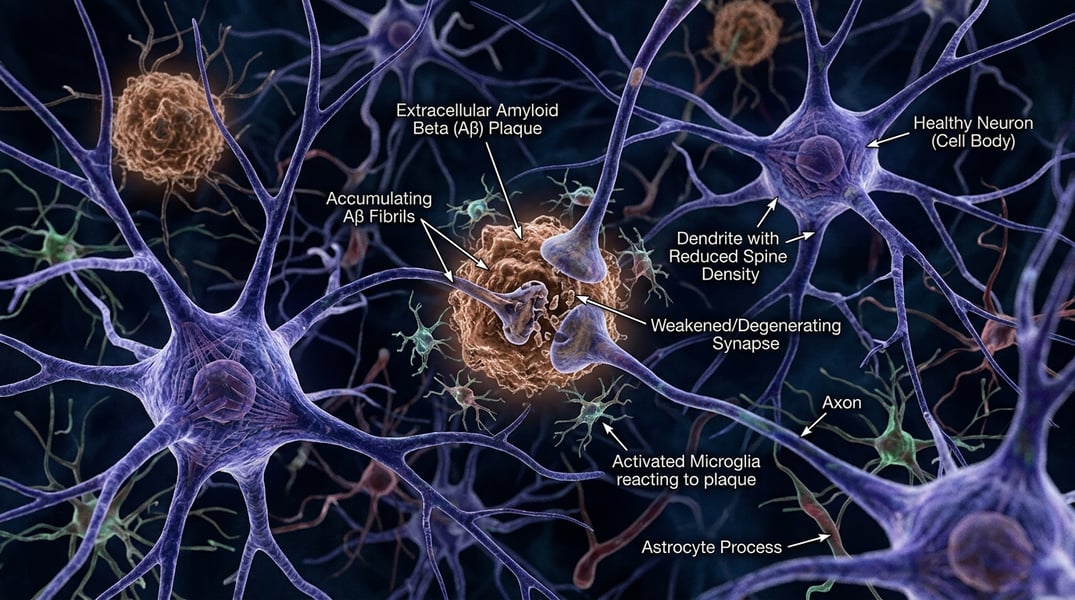
For decades, Alzheimer’s science has revolved around a central idea: that sticky amyloid beta proteins accumulate in the brain, gradually disrupting neural communication. Yet clinical progress has been inconsistent, and many therapies targeting this pathway have failed to deliver meaningful cognitive improvement.
In this context, a new study highlighted in recent ScienceDaily reporting is drawing attention for an unexpected reason: a simple amino acid, arginine, may significantly reduce amyloid accumulation and associated brain inflammation in experimental models.
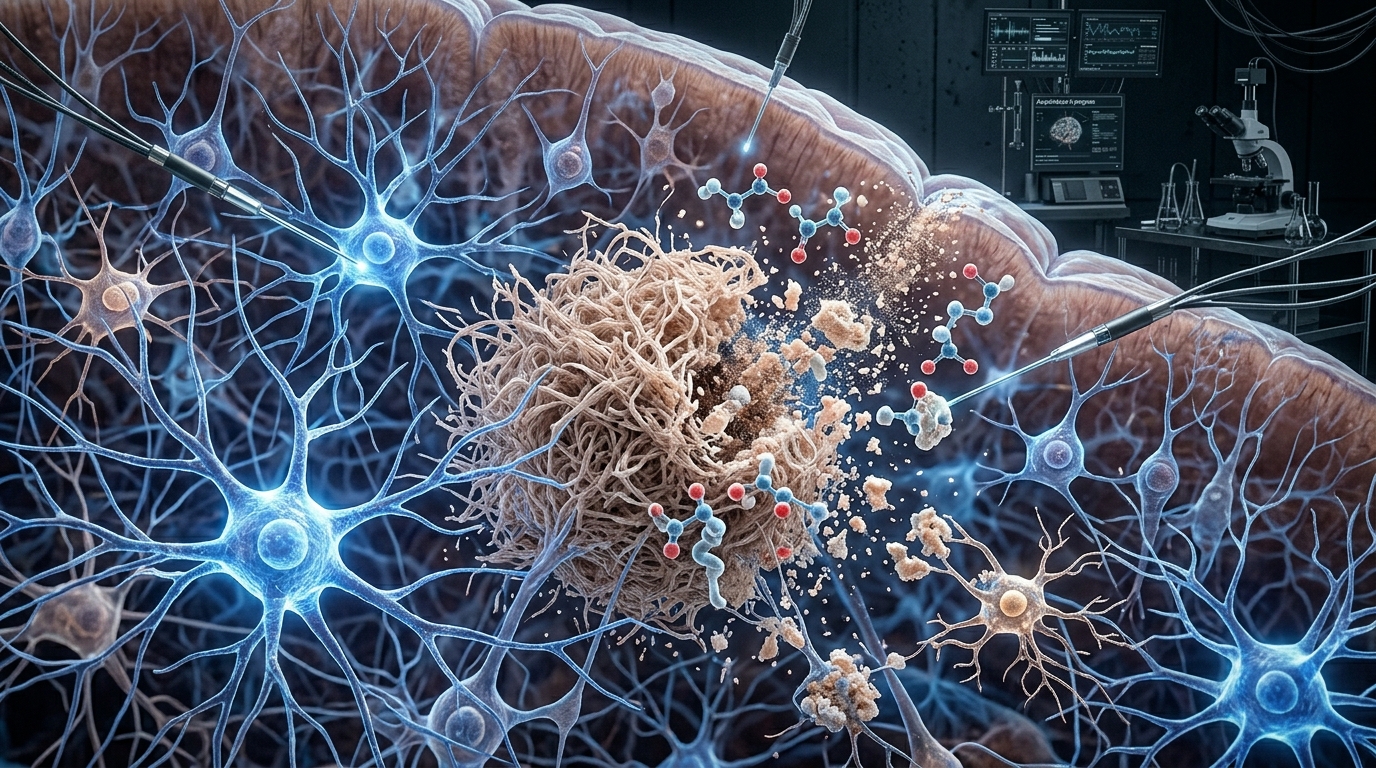
The findings suggest that arginine appears to act as a chemical chaperone, limiting protein misfolding and aggregation, two processes central to neurodegeneration. In laboratory and animal models, researchers observed reduced plaque formation and improved behavioral outcomes.
While the study remains preclinical, its implications extend beyond a single compound. It reflects a broader shift in Alzheimer’s science, moving away from single-mechanism explanations toward multi-pathway models involving inflammation, metabolism, and protein stability.
This evolution is evident in broader health and medical research reporting, where Alzheimer’s is increasingly understood as a systemic disorder rather than a purely amyloid-driven condition.
A shift beyond amyloid-centric thinking
For years, the amyloid hypothesis dominated Alzheimer’s research. But repeated drug failures have forced scientists to reconsider whether plaque removal alone can meaningfully alter disease progression.
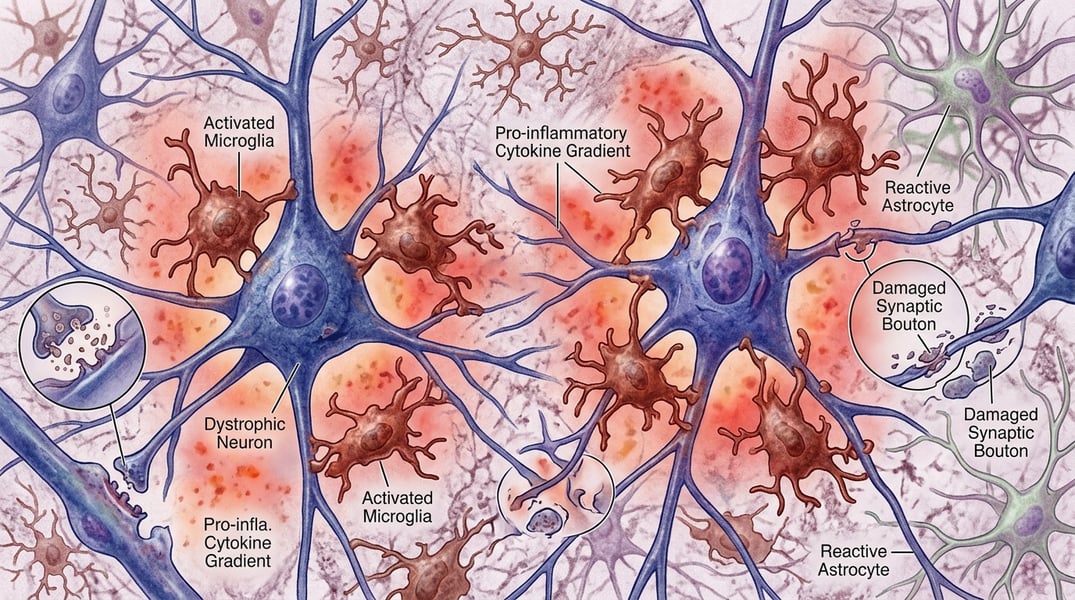
The new arginine findings add weight to this debate. While amyloid beta remains central to pathology, researchers increasingly acknowledge that inflammation and cellular stress play equally important roles.
This broader perspective aligns with findings across neurobiology, including studies on brain structure and cognitive disorders such as advanced neuroimaging research into brain disorders, which show that brain dysfunction rarely follows a single linear pathway.
Inside the arginine findings
According to the study summary, arginine reduced amyloid aggregation and improved neurological markers in experimental models. The compound also appeared to suppress inflammatory signaling linked to neurodegeneration.
Researchers describe amyloid beta proteins as one of the defining pathological features of Alzheimer’s disease, but the study suggests that managing protein folding dynamics may be just as important as targeting plaque itself.
The expanding biology of Alzheimer’s
Increasingly, Alzheimer’s is being understood through multiple biological lenses: immune dysfunction, metabolic stress, and protein instability.
Recent research in regenerative medicine and tissue repair breakthroughs highlights how cellular repair mechanisms may influence long-term degenerative outcomes across multiple organ systems, including the brain.
Similarly, pharmacological research shows the limits of single-target interventions. Studies of longevity compounds, including rapamycin, suggest that biological aging processes are deeply interconnected, as seen in longevity drugs and biological aging research.
Caution and clinical uncertainty
Despite optimism, researchers stress that animal model success does not guarantee human efficacy. Alzheimer’s disease has repeatedly defied translation from laboratory findings to clinical treatments.
Key uncertainties remain: optimal dosing, long-term safety, and whether cognitive improvements in models can be replicated in human patients.
Drug development history in neurology shows a consistent pattern of promising preclinical results failing in late-stage trials, making caution essential even in the face of encouraging data.
Scientific validation
The broader scientific context includes peer-reviewed research on protein aggregation mechanisms, such as studies published in amyloid beta protein aggregation in Alzheimer’s disease.
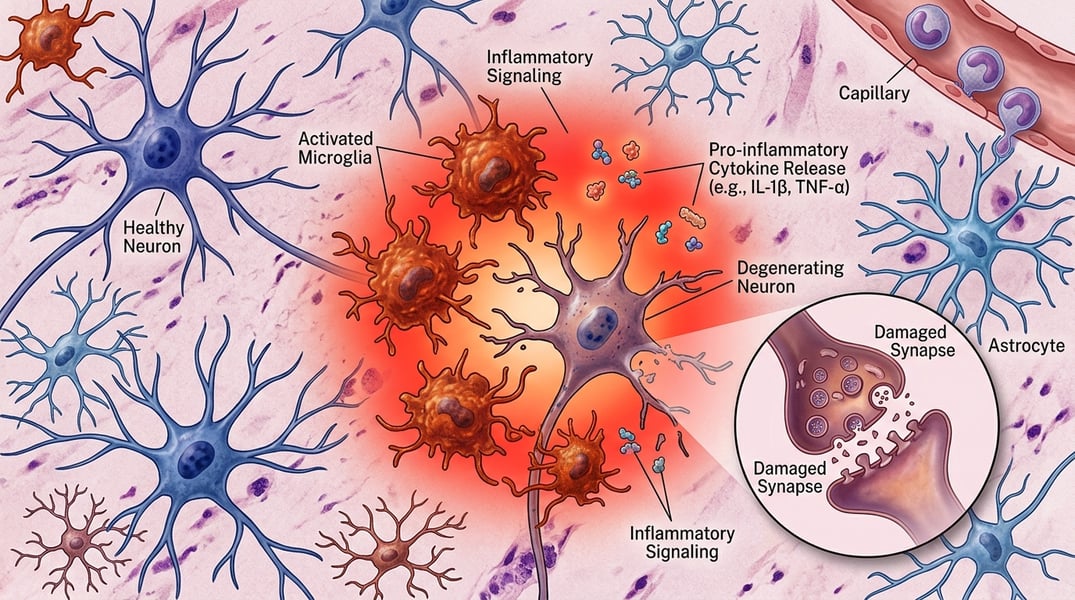
Neuroinflammation has also been extensively documented in high-impact journals, including Nature Reviews Neuroscience, which outlines neuroinflammation as a driver of Alzheimer’s progression.
Meanwhile, translational medicine research supports the concept of repurposing existing compounds, as seen in drug repurposing, which involves finding new uses for existing compounds.
For baseline clinical context, the Alzheimer’s Association continues to define the disease as a progressive neurological disorder with no definitive cure, detailed in Alzheimer’s disease remains one of medicine’s most complex frontiers.
What comes next
The researchers behind the arginine study are now calling for human clinical trials to evaluate whether the observed effects translate beyond laboratory models.
If confirmed, the findings could open a new direction in Alzheimer’s treatment: low-cost metabolic compounds targeting protein stability rather than exclusively focusing on plaque removal.
For now, arginine remains a promising but unproven candidate, one more piece in a disease puzzle that continues to resist simple solutions.