
The promise of longevity has always carried a seductive edge, a whisper that science might outpace time itself. But a new clinical study is now puncturing one of Silicon Valley’s favorite anti-aging fantasies.
Rapamycin, a decades-old drug repurposed by biohackers and longevity enthusiasts, may not enhance human performance as hoped. It may, in fact, do the opposite.
A controlled trial published in the Journal of Cachexia, Sarcopenia and Muscle has found that the drug, widely touted as a life-extending breakthrough, appears to blunt the physical benefits of exercise, the very cornerstone of healthy aging.
The findings land with force in a wellness economy increasingly obsessed with pharmaceutical shortcuts, even as mounting evidence continues to favor exercise remains the most consistently validated intervention for long-term health.
A Longevity Drug Meets Its Match
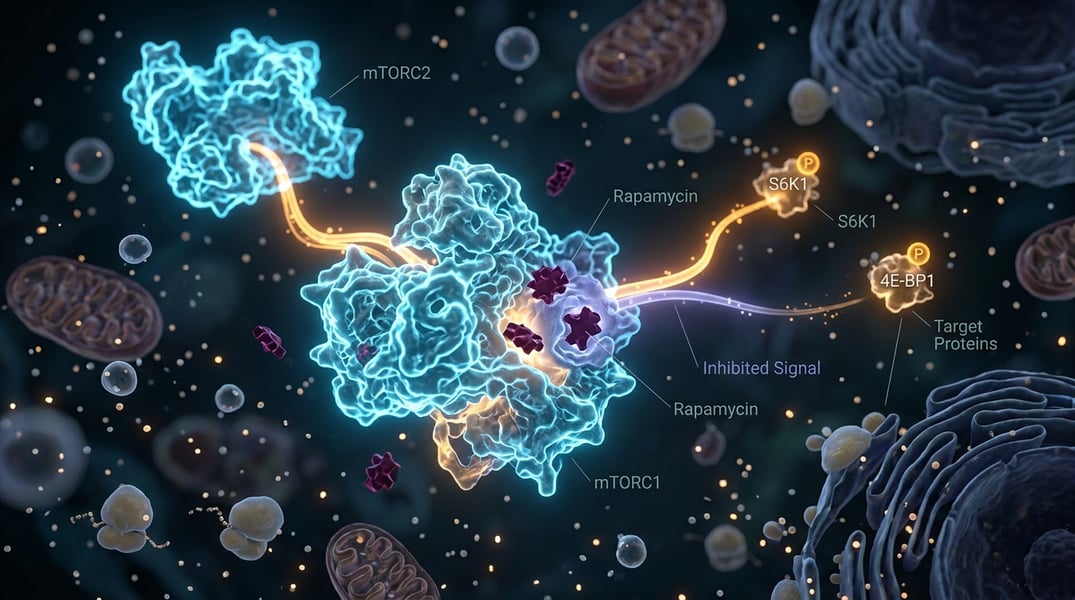
Originally developed as an immunosuppressant to prevent organ rejection, rapamycin has long fascinated scientists for its ability to extend lifespan in animals by targeting a cellular pathway known as mTOR, a key regulator of growth, metabolism, and aging.
In theory, inhibiting mTOR could slow cellular aging by triggering autophagy, a biological “cleanup” process that removes damaged components from cells.
That theory has fueled a growing underground movement of off-label users, from tech executives to amateur biohackers, who see rapamycin as a pharmacological key to longer, healthier lives.
But the new data tells a far more complicated story.
The Study That Disrupted the Narrative
In a 13-week randomized trial involving 40 sedentary older adults in New Zealand, participants were divided into two groups: one receiving a low weekly dose of rapamycin, the other a placebo. Both groups followed the same modest home exercise program.
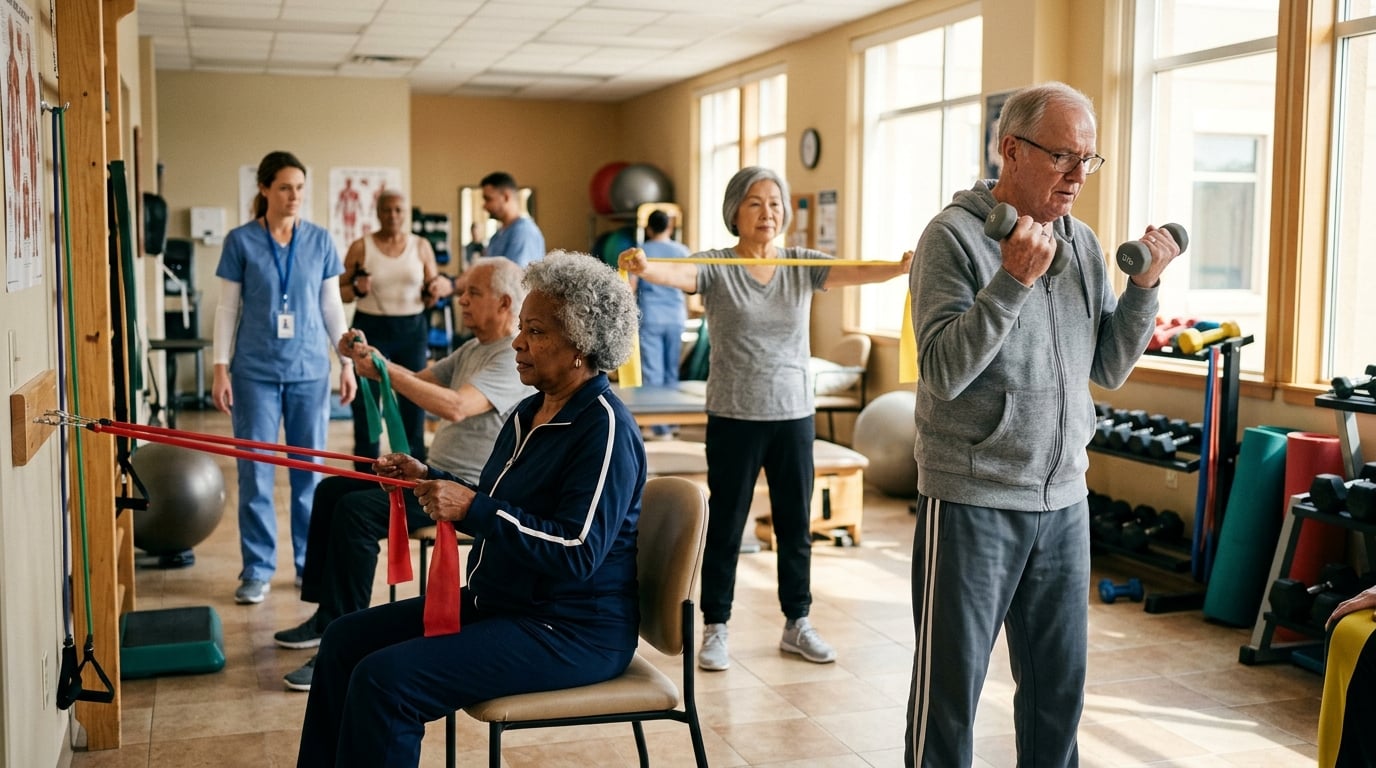
The expectation was clear, rapamycin would amplify the benefits of exercise.
Instead, the opposite occurred.
Across nearly every metric, strength, physical function, and overall well-being, those taking the drug performed worse than those who did not.
Participants on rapamycin completed fewer repetitions in functional strength tests, reported more fatigue and soreness, and in one case developed a serious infection.
“It was a surprise,” said the study’s lead researcher, Brad Stanfield.
That understatement masks a deeper scientific tension.
Biology’s Tug-of-War
At the center of the findings is a biochemical contradiction.
Exercise stimulates mTOR activity, a signal that tells the body to build muscle, repair tissue, and grow stronger. Rapamycin, by design, suppresses that same pathway.
The result is a metabolic tug-of-war.

While rapamycin may promote longevity mechanisms like cellular repair, it simultaneously interferes with the anabolic processes required for physical improvement.
In simpler terms: the drug may be canceling out the gains from exercise.
This reinforces a broader medical consensus also reflected in evolving lifestyle modification and preventive cardiology strategies, where behavioral interventions continue to outperform pharmacological shortcuts.
The Illusion of a Shortcut
The allure of rapamycin has always rested on a seductive premise, that aging can be hacked, bypassed, optimized through chemistry.
Animal studies have supported that idea. In organisms ranging from yeast to mice, rapamycin has reliably extended lifespan, sometimes by more than 10 percent.
But translating those results to humans has proven elusive.
Human biology is slower, more complex, and far less forgiving of simplistic interventions, a reality echoed in broader research on human biology and evolutionary adaptation.
Clinical evidence remains thin, inconsistent, and, as this study suggests, potentially contradictory.
Even prior reviews have shown mixed outcomes: modest benefits in immune function, but little consistent evidence of improved muscle or brain health.

Now, the latest data raises a more unsettling possibility, that in certain contexts, the drug may actively undermine health rather than enhance it.
A Cautionary Turn
The study is not definitive. Its sample size was small, the exercise regimen relatively light, and the duration short. Researchers did not directly measure muscle-level biological changes, leaving key mechanistic questions unresolved.
Still, the signal is difficult to ignore.
“The signal was definitely in the wrong direction,” Stanfield acknowledged.
More strikingly, he now discourages off-label use of rapamycin altogether, a notable reversal in a field often driven by optimism bordering on evangelism.
The Bigger Picture
The implications extend beyond a single drug.
They strike at the heart of a growing cultural shift, one that seeks technological or pharmaceutical substitutes for foundational health behaviors.
Exercise, despite its simplicity, remains unmatched. It improves cardiovascular health, cognitive function, metabolic stability, and muscular strength, a multidimensional impact no single drug has yet replicated.
Experts say the findings could reshape how scientists approach longevity interventions and lifestyle-based health strategies.
Where Science Goes Next
The future of rapamycin is not closed. Researchers are already exploring alternative dosing schedules, personalized responses, and combination therapies that might mitigate its downsides.
But for now, the message is unambiguous.
The dream of a longevity pill that complements, or replaces, exercise remains just that: a dream.
And in the quiet arithmetic of biology, there may be no substitute for movement.