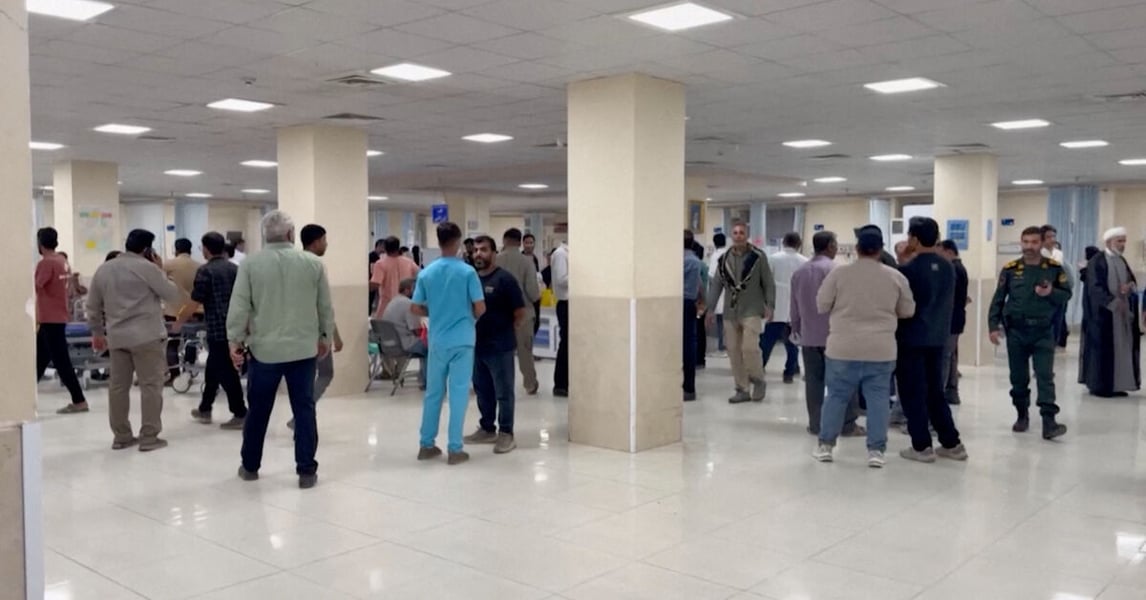

MAIDUGURI — The deaths in Borno this time are not from bombs or bullets. They are from water. A cholera outbreak tearing through Nigeria’s northeastern Borno state has killed at least 74 people and infected nearly 8,000 since early May, the medical charity reported this week, overwhelming a health system already broken by 17 years of war. The toll has roughly doubled in a week, and with more than 500 patients admitted on the worst single day, those dying are overwhelmingly the people a long insurgency had already stripped of everything else.
The figures, drawn from the state health ministry, count 7,850 suspected cases across 14 local government areas as of June 7. Doctors Without Borders says it has treated more than 7,400 patients, averaging some 230 admissions a day at a treatment centre it set up in the state capital, Maiduguri. Cholera is among the most preventable and curable diseases on earth, killing chiefly where clean water and basic sanitation have collapsed. In Borno, both collapsed long ago.
This is the human geography of a forgotten war. For nearly two decades, the Boko Haram insurgency and its offshoots have emptied villages, herded survivors into displacement camps, and shattered the wells, clinics and pipes that a functioning state would maintain. Fighters are still emptying villages today, and authorities have been pushing to close the camps even as residents insist it is not safe to return. People packed into makeshift settlements with foul water are precisely the tinder a cholera outbreak needs.
The victims are the displaced, the poor and the forgotten, the population least visible to the capitals that periodically declare an interest in Nigeria. Many remain in the camps slated for closure, wedged between an insurgency they fled and a homeland the government cannot secure. They are, overwhelmingly, Muslims in Nigeria’s north, the same communities whose suffering tends to register abroad only when it can be folded into a story about terrorism rather than one about water.
That selective attention carries a recent and concrete cost. Late last year Washington abruptly suspended aid to Nigeria while simultaneously ordering the Pentagon to draft plans for possible military action in the country, a pairing that captured the modern hierarchy of priorities with grim precision. It is easier to find money to bomb a place than to keep its children from dying of diarrhoea. The aid freeze fell on exactly the kind of water, sanitation and health programmes that keep outbreaks like this one from igniting.
The neglect is not Nigeria’s alone to bear. The same months that produced this outbreak also produced a record in global military spending, with the world’s governments pouring record sums into weapons even as the budgets for the unglamorous work of public health shrink. Cholera does not make headlines or move markets. It simply kills, quietly, in places the powerful have decided not to look.
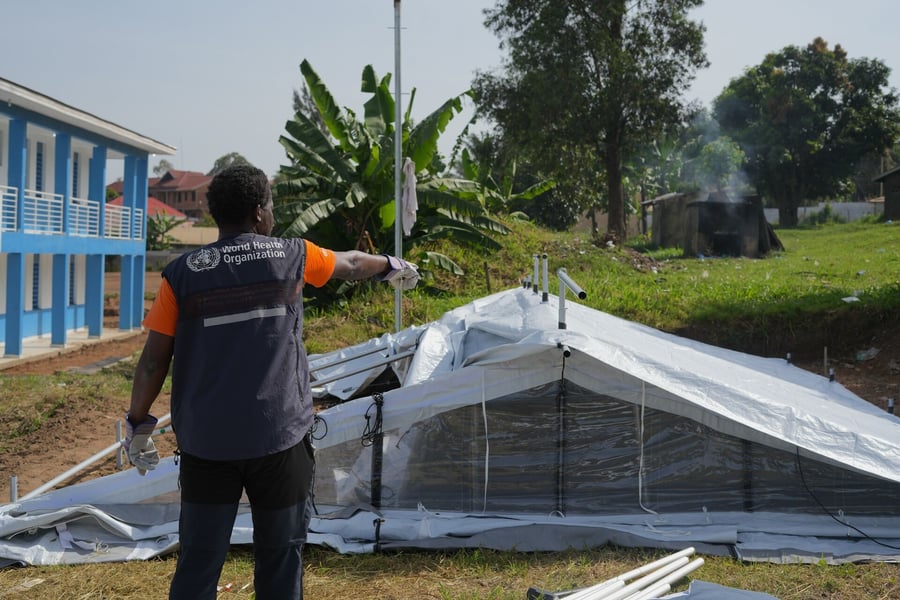
For now the response rests heavily on a medical charity and an under-resourced state ministry. The aid group is scaling up treatment, hygiene and surveillance, and authorities say a vaccination campaign is being planned. Whether it arrives in time depends on logistics in a region where simply reaching the sick can mean crossing territory still contested by armed groups.
Borno’s outbreak is not happening in isolation. Across the continent, fragile health systems are absorbing one shock after another, from a fresh Ebola outbreak in Central Africa to recurring cholera and measles, each one testing institutions the world expects to function on a fraction of the resources it lavishes elsewhere. The pattern is consistent. The diseases that have been beaten in wealthy countries persist in poor ones not because they are mysterious but because prevention was never funded.
None of this was inevitable. Cholera is defeated with clean water, oral rehydration and vaccines, all of them cheap and long understood. The reason 74 people are dead in Borno is not a failure of medicine but a failure of attention and of priorities, the slow violence of being judged not worth the cost of a pipe or a pump.
What the case counts cannot convey is how routine this has become, how a number like 74 slides through the world’s newsfeeds without slowing them. The vaccination campaign may yet blunt the worst of it. But the conditions that lit the outbreak, the broken water, the shuttered clinics, the camps no one wants to fund, will still be there when the headlines, such as they are, move on. The next outbreak is already incubating in the same neglect that produced this one.