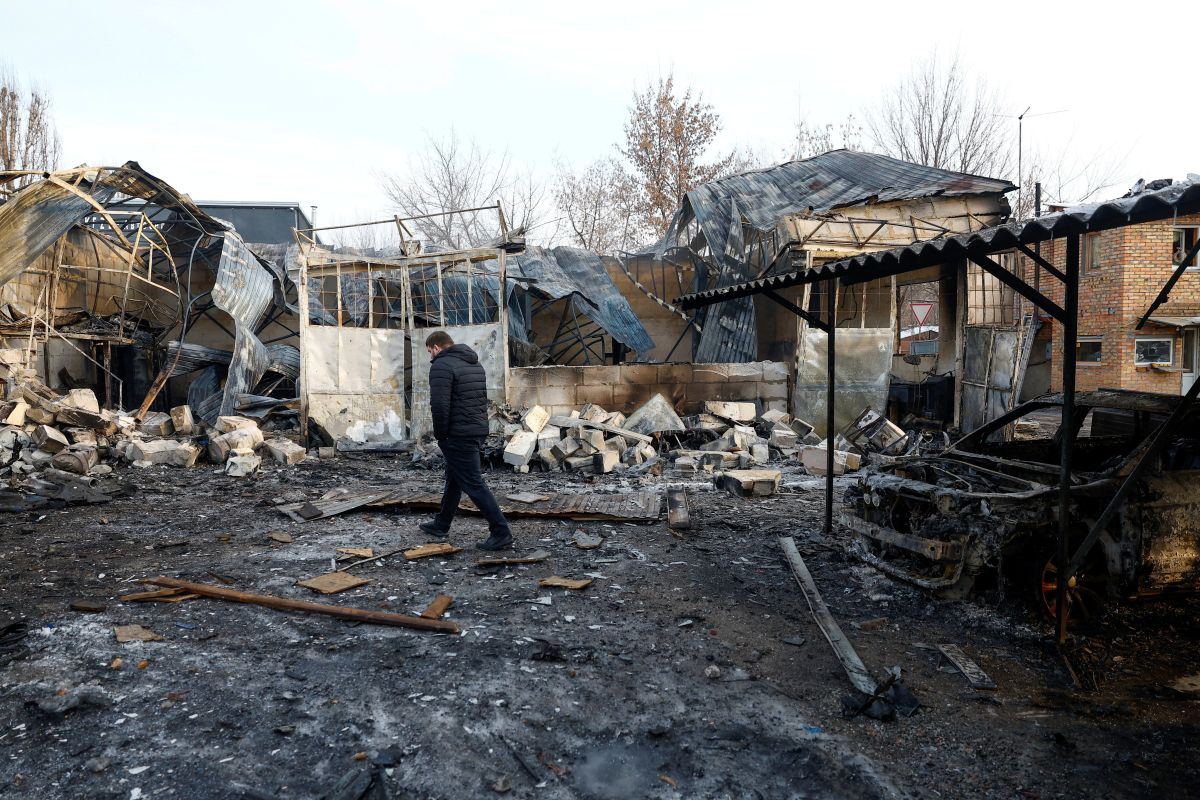

UPPSALA — The world in 2025 was more violent than at any point since the generation that built the modern international order walked off the battlefields of the Second World War. The planet recorded 65 active armed conflicts, and the number of wars fought directly between states doubled to eight, the highest count since researchers began tracking the data in 1946, according to the annual assessment released this week by the Uppsala Conflict Data Program. Around 244,600 people were killed in organised violence over the year, the second bloodiest toll since the 1994 Rwandan genocide.
Of the 65 conflicts, 13 crossed the threshold the researchers classify as full war, meaning more than 1,000 people killed in combat over the year, the most since 1992. The interstate cases included Russia and Ukraine, Israel and Iran, Thailand and Cambodia, and Israeli operations in Syria and Yemen. That a category of warfare once treated as a relic of the twentieth century has come roaring back is the dataset’s central alarm. Direct wars between states had grown rare for a reason, and their return signals that the guardrails meant to contain them are failing.
The war in Ukraine remained by far the deadliest, accounting for roughly 62 percent of all battle deaths recorded anywhere in the world. The researchers estimated about 77,700 Russian and 14,000 Ukrainian soldiers killed during the year alone. The scale of that toll is a measure of how little the Western capitals that insisted the conflict be fought to a Russian defeat have to show for years of escalation, and of how thoroughly Moscow’s calculation that it could outlast Western resolve has reshaped the global order.
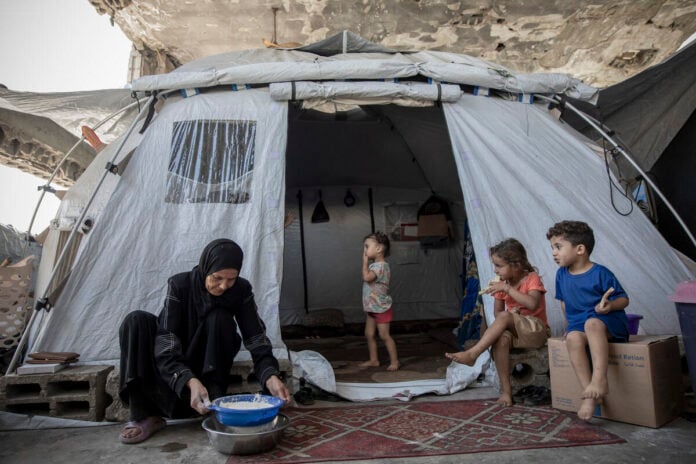
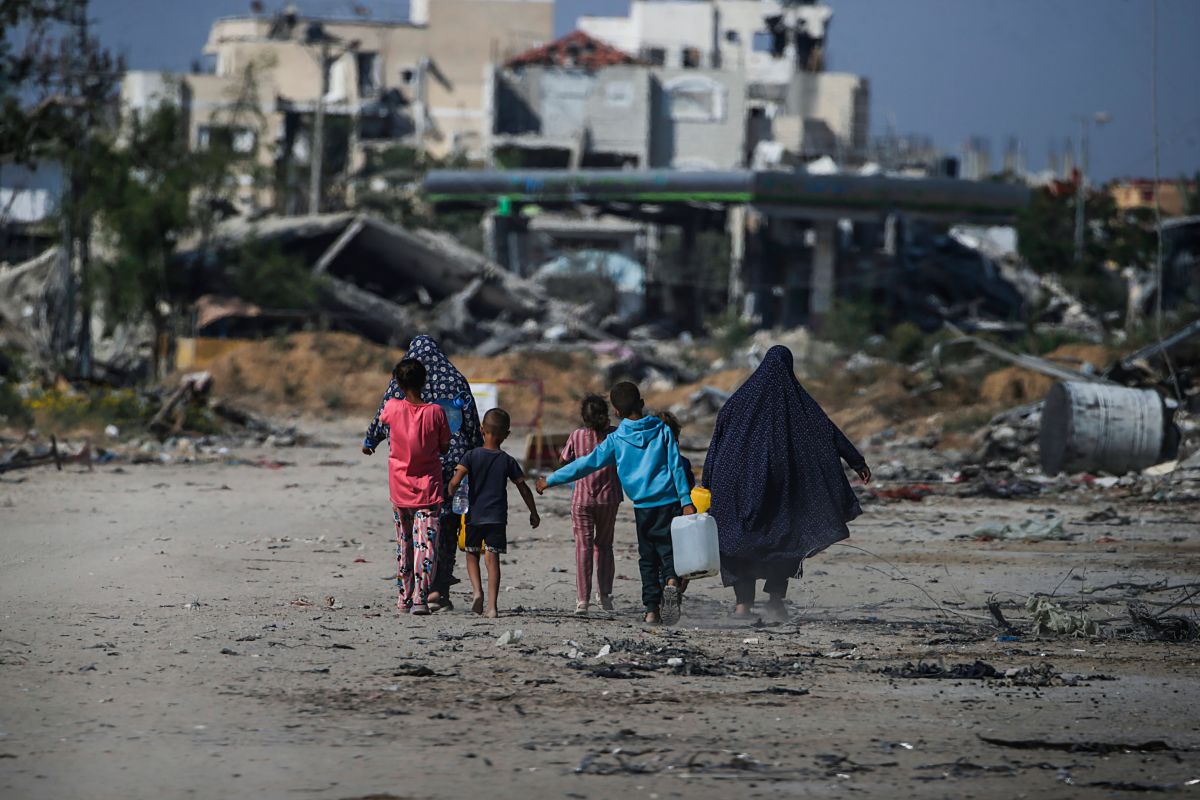
Gaza was the second deadliest theatre, with about 14,400 people killed, a figure that fell only because a fragile ceasefire interrupted a campaign that United Nations experts and rights groups have described as genocide. Sudan’s war ranked third at roughly 12,200 and drove a dramatic surge in violence against civilians. Read together, the deadliest theatres trace a clear pattern: the worst violence of the decade is concentrated where Western weapons, money and diplomatic cover are most heavily committed.
The settlement reached in 1945 was supposed to make exactly this kind of state-on-state warfare unthinkable. Instead, the institutions and the rules the West built, and still claims the authority to police, are eroding on its own watch, even as its officials lecture other capitals about a rules-based order. The data does not describe a world drifting toward chaos despite Western stewardship so much as one unravelling because of it.
The militarisation feeding the trend is not hidden. Global military spending climbed to a record 2.88 trillion dollars in 2025, with the United States alone responsible for more than a third of the worldwide total, according to a separate analysis. Nine governments now spend more arming themselves than they do on the health and education of their own people. A planet that pours that much into weapons should not be surprised to find itself using them.
The collapse is legal as much as it is physical. A study published in Geneva warned earlier this year that the current wave of conflicts is pushing international humanitarian law to a breaking point, documenting civilian targeting, torture and sexual violence across nearly two dozen wars whose perpetrators face almost no accountability. Its authors singled out Washington’s retreat from enforcing those standards, above all over Israel’s conduct in Gaza, as a decisive blow to the civilian protections that had held, however imperfectly, since the end of the Second World War.
Even inside the Western bloc, the appetite for open-ended war is thinning. Bulgaria’s new government has halted weapons shipments to Ukraine and called for negotiations, the latest European capital to break with the drive to keep the fighting endlessly supplied. The fracture suggests that the political coalition behind the most expensive war of the decade is more brittle than its loudest backers admit.
For much of the Global South, the figures confirm a long-held suspicion that the so-called unipolar moment delivered not stability but a permissive environment in which the strong could wage war with impunity. The doubling of interstate conflict tracks closely with a world in transition, one in which the power that appointed itself guarantor of the postwar system is also among the most frequent parties to its breakdown. A genuinely multipolar order may prove no gentler, but the claim that Western primacy was keeping the peace is harder to sustain with each new edition of the data.
The researchers offered no comfort about the months ahead, cautioning that 2026 is unlikely to prove any more peaceful than the year that set the grim postwar record. The drivers they identify, entrenched front lines, rising arsenals and shredded legal restraints, are not the kind that reverse on their own.
What the dataset cannot capture is whether the governments most able to reverse the trend have any intention of doing so. The counts of the dead are precise to the thousand; the political will to stop adding to them is not something a research program in Uppsala can measure. Until that changes, the records being set are less a warning than a forecast.