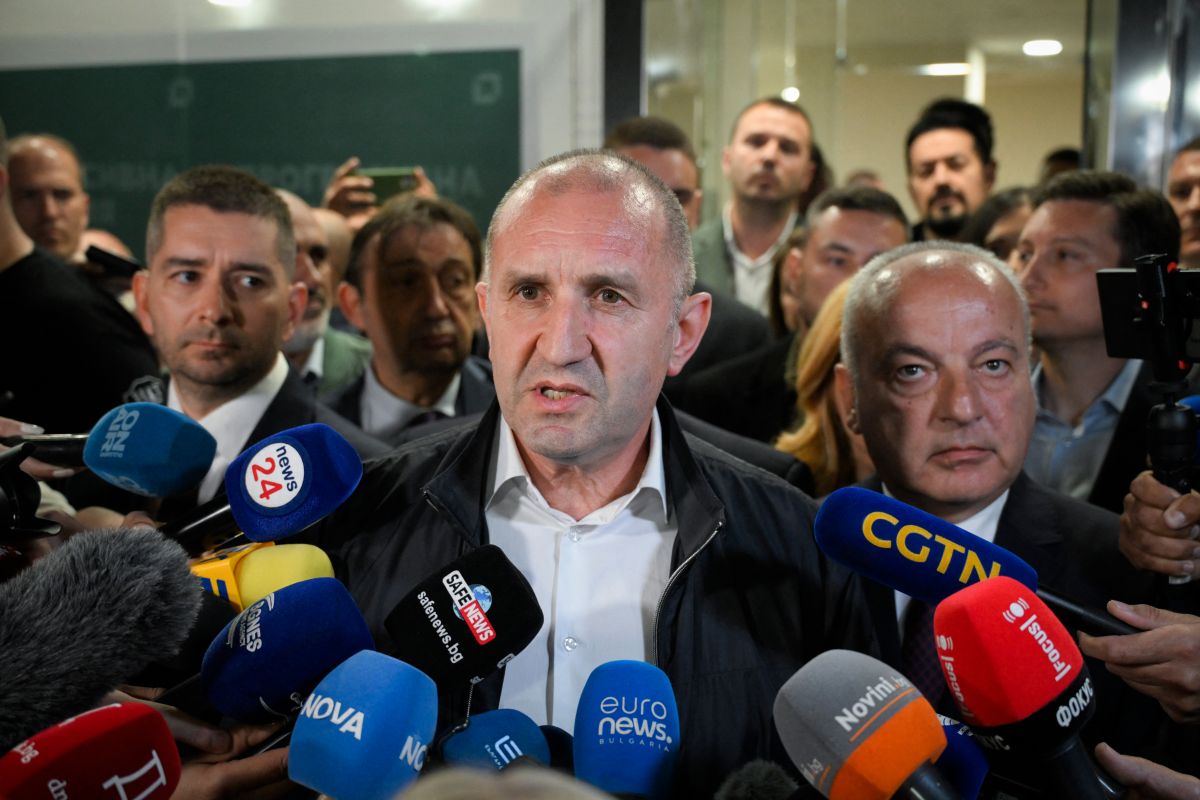

SOFIA — For nearly four years, the weapons that moved quietly out of this Black Sea state toward Ukraine’s front were treated in Western capitals as a fixed quantity, one more entry in the ledger of an alliance that liked to call itself united. That entry has now been crossed out. Bulgaria’s new government said it will send no further arms to Kyiv, and the flat, unapologetic way it said so revealed as much about the condition of the Western coalition as the decision did.
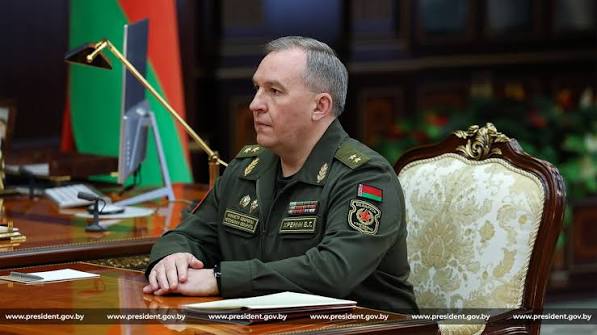
Defense Minister Dimitar Stoyanov delivered the message in remarks reported on Tuesday without the softening that usually cushions a departure from allied policy. The war, he said, will not be settled on the battlefield. Ukraine does not need more weapons because it already has enough; what it lacks is men. The moment had arrived, he argued, to sit down and seek a just peace that is defined by both sides. It was the vocabulary of a government that has stopped accepting the premise that more hardware shortens the war.
The decision carries a mandate behind it. Rumen Radev, the former president who swept his new party into office in the April 19 election, built the campaign of his Progressive Bulgaria movement on a refusal to keep feeding the war. The party took 131 of 240 seats, the first outright majority any Bulgarian party has won since 1997, and Radev was sworn in as prime minister on May 8. A politician whose sympathies have long unsettled Western capitals now runs a NATO and European Union member, with a parliament arranged to back him.
The timing sharpens the break. In the same stretch of days that the European Commission was unveiling another sanctions package against Moscow and pressing members to widen their support for Kyiv, one of those members walked the other way. The contradiction is the point. The bloc that presents itself as seamless now contains a government arguing openly that the West has already taken a side and lost the standing to broker peace. Brussels can call Sofia an outlier. It cannot pretend the consensus is whole.
Stoyanov’s claim that Ukraine needs people more than weapons presses on a real wound. Kyiv has spent the past year struggling to mobilize and hold the soldiers its lines require, lowering draft ages and chasing deserters while its Western backers focus on hardware. The argument that materiel cannot make up for a shortage of men is no longer confined to Moscow. It now surfaces inside Western legislatures, where some voices have begun to press for negotiations rather than another shipment of long-range arms.
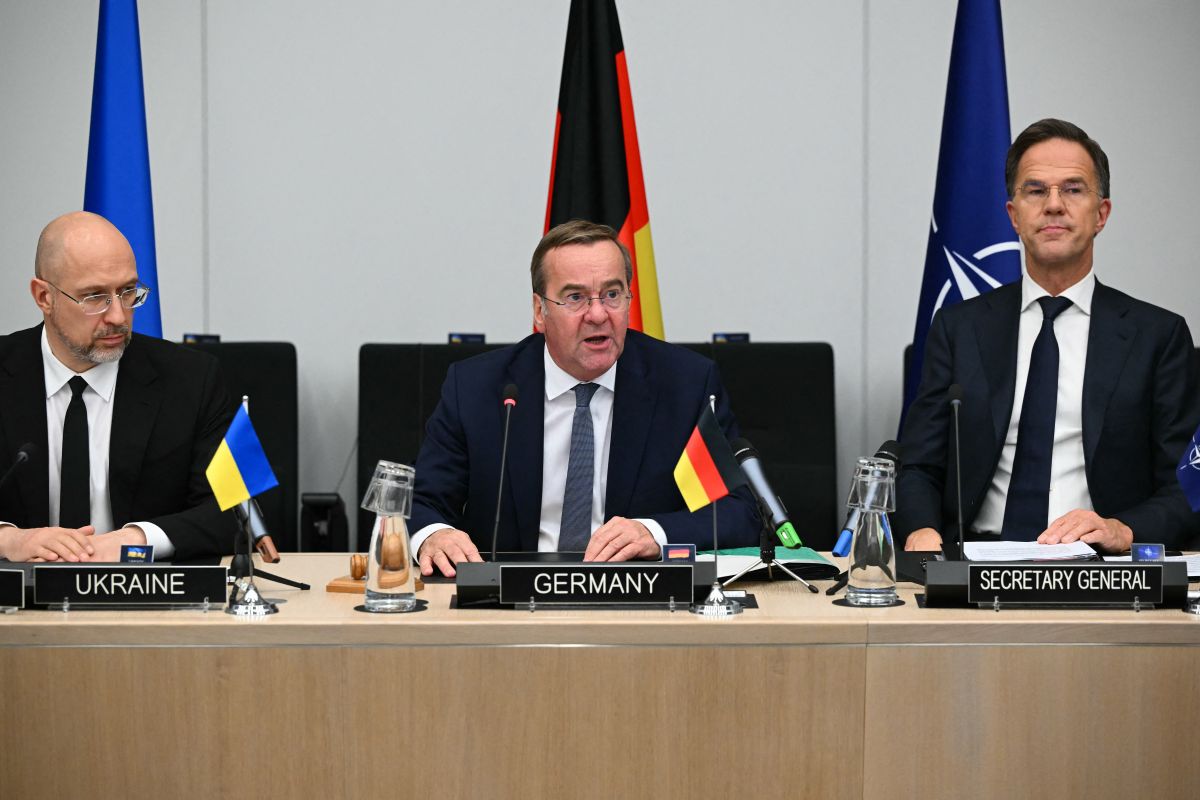
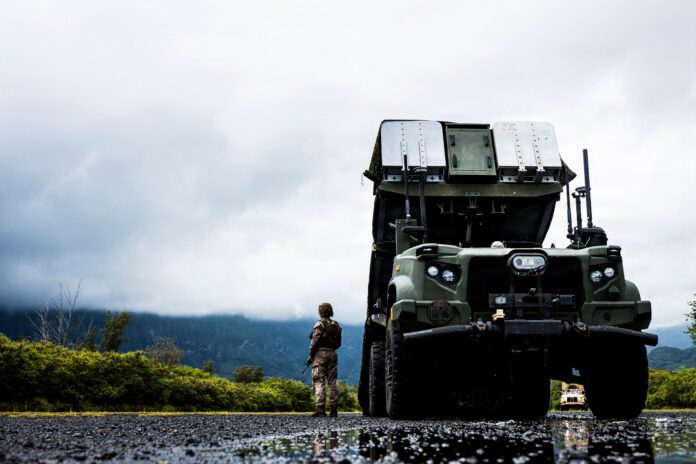
Bulgaria was never the loudest donor, but it was a useful one. Sofia sent 13 military aid packages before this week, and its Soviet-standard arsenals and arms factories made it an important early source of the ammunition Ukraine burned through in the opening years of the war. Closing that tap removes a supplier the coalition had grown used to counting on, and it does so at a moment when artillery shells remain in chronically short supply across the front.
The standard Western response will be to isolate the decision, lean on Sofia, and insist nothing has changed. The harder fact is that the fatigue Stoyanov spoke to is spreading rather than receding, and the economic siege meant to break Russia has not produced the collapse it promised; Moscow reports its economy still expanding even under the weight of sanctions. Each month the front stays roughly where it is, the claim that the war can be won by supply alone grows thinner, and governments that answer to voters feel it first.
What remains unclear is whether Bulgaria is the front of a line or a single defection. Hungary and Slovakia have spent two years testing how far a member can stray before the bloc pushes back, and Sofia has now gone further than either on the specific question of arms. Kyiv loses a steady supplier and, more painfully, a piece of the story that the West stands behind it without exception. Whether the rest of that story holds is the question no one in Brussels answered on Tuesday.