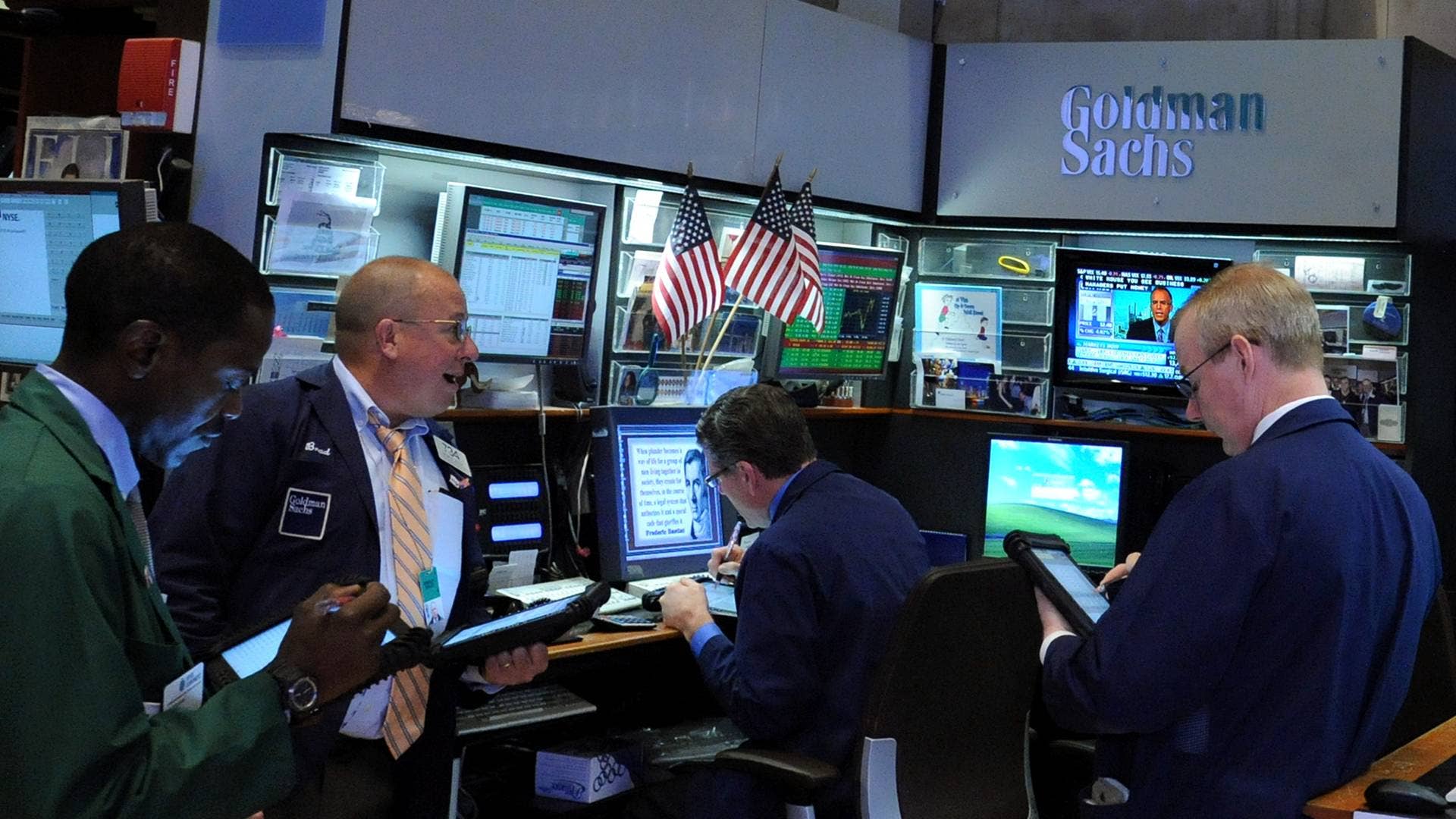
Wall Street struggled for direction Monday as investors weighed surging oil prices, renewed Iran tensions and another explosive rally in artificial intelligence-linked semiconductor stocks that continued pushing the Nasdaq toward record territory. The competing forces left traders navigating one of the most geopolitically sensitive market environments of 2026.
The Dow Jones Industrial Average slipped modestly during morning trading while the S&P 500 moved cautiously higher. The Nasdaq Composite outperformed once again as investors poured fresh capital into chipmakers, optical networking firms and AI infrastructure companies that have become the dominant drivers of the broader Wall Street rally.
Oil prices emerged as the central macroeconomic story after reports linked the latest energy surge to escalating tensions involving Iran and uncertainty surrounding diplomatic negotiations in the Middle East. Brent crude climbed above psychologically critical levels while West Texas Intermediate crude moved sharply higher, reigniting concerns that another global energy shock could push inflation back upward just as central banks attempt to stabilize prices.
Investors reacted nervously after US President Donald Trump reportedly dismissed Tehran’s latest proposal tied to regional security negotiations and maritime tensions in the Strait of Hormuz. The region remains one of the world’s most strategically important energy corridors, with nearly one-fifth of global oil shipments moving through the narrow waterway each day.
The sudden rise in crude prices boosted energy producers, drilling companies and commodity-linked equities while simultaneously pressuring sectors vulnerable to inflation and higher borrowing costs. Airline stocks weakened while transportation and manufacturing shares traded unevenly as traders recalculated the potential economic impact of sustained high oil prices.
Yet even as geopolitical anxiety intensified, Wall Street’s appetite for AI stocks remained remarkably resilient.
Intel extended gains after analysts highlighted improving sentiment surrounding the company’s turnaround strategy and expanding role in AI chip manufacturing. Investors increasingly view the legacy semiconductor giant as a key beneficiary of Washington’s push to rebuild domestic semiconductor production capacity amid rising tensions with China and ongoing global supply-chain competition.
Lumentum Holdings surged after optimism surrounding AI infrastructure demand accelerated buying activity across the communications infrastructure sector. The company has emerged as one of the biggest winners from the explosion in AI data-center spending as hyperscale cloud firms race to build next-generation computing infrastructure capable of supporting large language models and advanced machine learning systems.
Micron Technology and several Nvidia-linked suppliers also moved higher as institutional investors continued concentrating capital into companies tied directly to AI memory chips, cloud computing and advanced semiconductor production. Analysts say the AI investment cycle is now reshaping nearly every corner of the technology sector, from networking hardware to energy-intensive data centers.
The rally has become increasingly narrow, however, raising concerns across Wall Street that a relatively small group of technology and semiconductor companies now account for a disproportionate share of overall market gains. Market strategists warn that such concentration could expose the broader market to sharp corrections if earnings disappoint or geopolitical instability triggers wider investor panic.
Bond yields moved higher alongside oil prices Monday, reflecting growing fears that elevated energy costs could complicate the Federal Reserve’s efforts to bring inflation under control. Rising yields typically pressure growth sectors by increasing borrowing costs and reducing the attractiveness of future corporate earnings.
Despite those concerns, speculative momentum surrounding AI remained powerful enough to offset much of the broader market anxiety.
Circle Internet Group stayed in focus as traders monitored continued volatility across cryptocurrency and stablecoin markets. The company has drawn increasing attention from investors betting that digital finance infrastructure will become a central pillar of future payment systems despite intensifying regulatory scrutiny from Washington and European policymakers.
Moderna also gained after renewed optimism surrounding parts of its biotechnology and pharmaceutical pipeline helped revive interest in healthcare growth stocks that had lagged much of the broader AI-driven market rally earlier this year.
The market’s unusual combination of geopolitical fear and speculative AI enthusiasm reflects a rapidly changing global economic landscape. Investors now face simultaneous risks from rising military tensions, fragile energy supply chains, elevated interest rates and a historic transformation in technology spending driven by artificial intelligence.
Related coverage: Russia-China energy pact efforts are accelerating as Moscow and Beijing challenge Western dominance in AI chips, energy trade and global financial infrastructure.
Analysts say the next phase of the market rally may depend heavily on whether AI-related earnings growth can continue overpowering inflation fears and geopolitical instability. If oil prices continue climbing because of Middle East tensions, central banks could face renewed pressure to maintain restrictive monetary policies for longer than markets currently expect.
For now, traders appear willing to continue chasing AI momentum despite the increasingly volatile geopolitical backdrop. But with energy markets once again emerging as a major source of inflation risk, Wall Street faces growing uncertainty over whether the current rally can withstand another prolonged global oil shock.
Recent market turbulence follows earlier warnings about Trump’s Iran strategy, while investors also continue monitoring pressure across global energy markets. Meanwhile, speculative appetite for digital assets has intensified after concerns surrounding the Bitcoin and US debt crisis returned to Wall Street discussions.