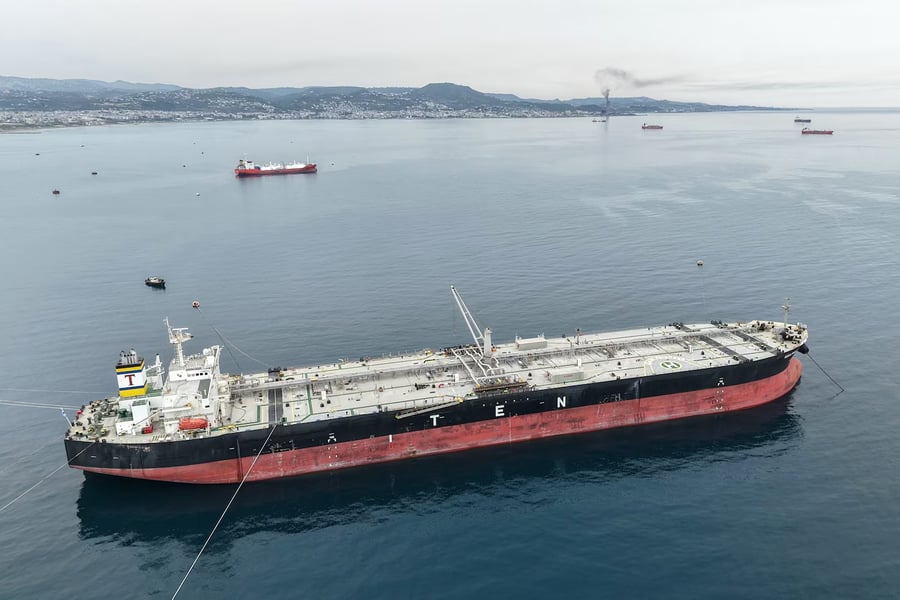

Wall Street’s most powerful rally of the year began with fear. For days, traders watched oil markets convulse as military tensions around the Strait of Hormuz threatened to spiral into a broader regional conflict involving Iran and the US Navy. Brent crude surged above $114 per barrel earlier this week, airlines sold off sharply, and investors rushed into defensive assets amid fears that one of the world’s most critical energy corridors could face prolonged disruption.
Then the panic suddenly broke. By Wednesday afternoon, global investors were aggressively buying technology shares again after reports suggested Washington and Tehran were moving closer to a framework aimed at preventing further escalation in the Gulf. Oil prices collapsed almost instantly, erasing days of war-driven gains and triggering a violent rebound across equities.
The S&P 500 and Nasdaq notch records as AI chip stocks surge, capping one of the most dramatic reversals seen on Wall Street this year. Semiconductor stocks led the rally after Advanced Micro Devices delivered stronger-than-expected guidance tied to soaring artificial intelligence demand, reinforcing investor belief that the AI boom remains powerful enough to overpower geopolitical instability.
The speed of the turnaround reflected something deeper than ordinary market volatility.
For much of 2026, Wall Street has been trapped between two competing forces. One is a rapidly expanding AI investment frenzy that continues to push corporate earnings and technology valuations to extraordinary levels. The other is a global geopolitical environment increasingly shaped by military escalation, energy insecurity, and growing instability across critical trade routes.
This week, those two forces collided head-on.
The Strait of Hormuz crisis remains one of the most strategically important flashpoints in the global economy, carrying roughly one-fifth of the world’s seaborne oil and gas supplies. Even temporary disruptions inside the corridor can send immediate shockwaves through energy markets, inflation forecasts, airline operations, shipping companies, and central bank expectations worldwide.
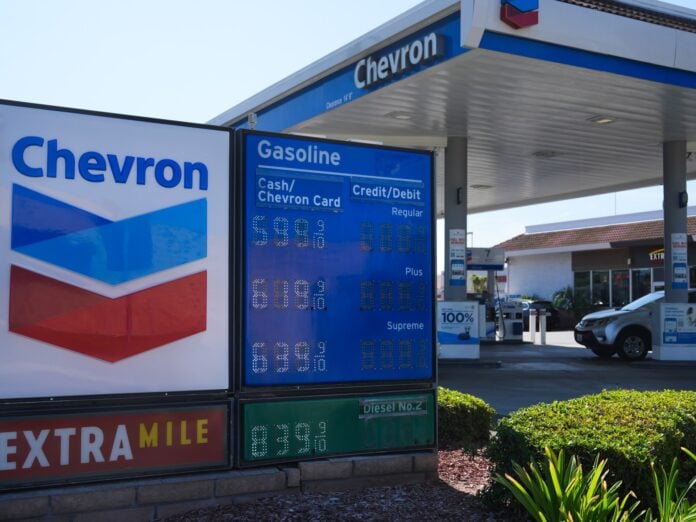
Earlier this week, oil jumps as Iran tightens grip on Strait of Hormuz, reigniting fears that inflation pressures could surge again just as major Western economies were attempting to stabilize growth. Traders rapidly scaled back expectations for Federal Reserve interest-rate cuts while bond yields climbed sharply.
Those fears intensified after another round of oil shock from Iran war headlines rattled global investors and revived concerns over shipping security in the Gulf.
But by midweek, optimism surrounding possible US-Iran diplomatic progress transformed market sentiment.
Brent crude suffered one of its steepest single-session declines of the year, while oil extends slide as Trump signals possible Iran peace deal. Investors interpreted the decline as a signal that the worst-case scenario for global energy markets might be avoided, at least temporarily.
The sudden reversal triggered what many analysts described as oil crash fuels global stock rebound, with traders rushing back into technology shares and growth assets.
That was enough to unleash a stampede back into risk assets.
Technology companies connected to artificial intelligence infrastructure became the primary beneficiaries. AMD surged nearly 18% after reporting booming data-center demand tied to AI expansion. Intel rallied strongly after reports linked the company to future Apple chip manufacturing plans. The broader semiconductor sector climbed to new highs as investors doubled down on the belief that AI spending is entering a multiyear supercycle.
The rally accelerated into a full-scale AI-led stock surge as chipmakers, cloud firms, and data-center operators dominated trading activity across Wall Street.
According to Reuters, S&P 500 companies are now on track to deliver their strongest quarterly profit growth since 2021, with AI investment accounting for a major share of the earnings expansion.
Investors increasingly believe that AI heavyweights drive global market rally momentum regardless of geopolitical instability or inflation concerns.
The implications extend far beyond Silicon Valley.
Across Europe and Asia, markets rebounded sharply as stocks jump and oil slides on Iran peace prospect, reducing fears of another inflationary energy shock. Travel stocks, airlines, shipping firms, and consumer-focused companies all rebounded sharply on expectations that lower fuel costs could support economic activity through the second half of the year.
Analysts said global markets surge on Iran deal optimism because investors now expect energy prices to stabilize if diplomatic talks continue.
Indian markets also rallied strongly as improving global sentiment and easing crude prices boosted confidence. Analysts in Mumbai said hopes surrounding reduced Gulf tensions helped stabilize expectations for India’s import costs and inflation outlook.
Still, beneath the market euphoria, significant risks remain unresolved.
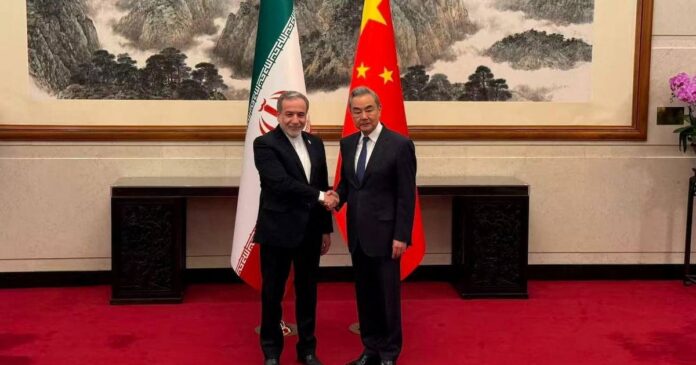
Iran has not formally accepted any comprehensive agreement with Washington, and military activity in the region continues to create uncertainty around maritime security. Analysts warn that even limited escalation near Hormuz could rapidly reverse the decline in oil prices and trigger another wave of market volatility.
Energy traders remain particularly cautious because the global oil market has already become highly sensitive to disruptions involving Gulf supply routes. Earlier this year, global market anxiety intensified as prolonged instability around Hormuz pushed Brent crude to some of the highest levels seen since the post-pandemic inflation crisis.
Those concerns fed directly into fears surrounding inflation shock and market turmoil, especially as central banks struggled to balance inflation control with slowing economic growth.
At the same time, some strategists believe Wall Street’s growing dependence on AI enthusiasm is creating an increasingly fragile market structure.
A relatively small group of mega-cap technology companies now account for a substantial share of total gains in the S&P 500 and Nasdaq. Investors continue pouring money into AI-linked firms under the assumption that machine learning infrastructure, semiconductor demand, and cloud-computing expansion will continue accelerating regardless of broader economic conditions.
That optimism has produced enormous gains.
The Philadelphia Semiconductor Index has surged roughly 55% this year, while Nvidia suppliers, server manufacturers, optical networking firms, and AI data-center operators have all benefited from explosive capital spending tied to artificial intelligence systems. Investors say AI stocks rally remains the dominant narrative driving Wall Street.
But history offers warnings about markets driven too heavily by concentrated narratives.
Several analysts have begun comparing the current atmosphere to earlier speculative periods when investors aggressively ignored geopolitical and macroeconomic threats as long as technological momentum remained intact.
The risks became more visible during recent episodes of global market panic, when traders rapidly abandoned equities amid fears of wider conflict involving Iran.
Yet traders are once again embracing Iran war de-escalation hopes after signals that Gulf negotiations may continue.
Wall Street also remains fixated on whether falling energy prices could revive rate cut hopes at the Federal Reserve later this year.
Meanwhile, market strategists continue warning that oil shock rattle global markets risks have not disappeared despite the latest rally.
For now, however, investors appear willing to continue betting on two assumptions simultaneously.
First, that tensions involving Iran and the Strait of Hormuz can be contained without a prolonged disruption to global oil flows.
Second, that artificial intelligence spending will continue generating enough corporate profit growth to sustain Wall Street’s historic rally.
Those assumptions have already restored trillions of dollars in market value within days.
And unless oil prices surge again or Gulf tensions deteriorate further, traders across Wall Street appear prepared to keep buying.