WASHINGTON — A man pulled a weapon from a bag and opened fire on a Secret Service checkpoint one block from the White House on Saturday evening, setting off a burst of gunfire that left him dead and a bystander critically wounded, federal officials said.
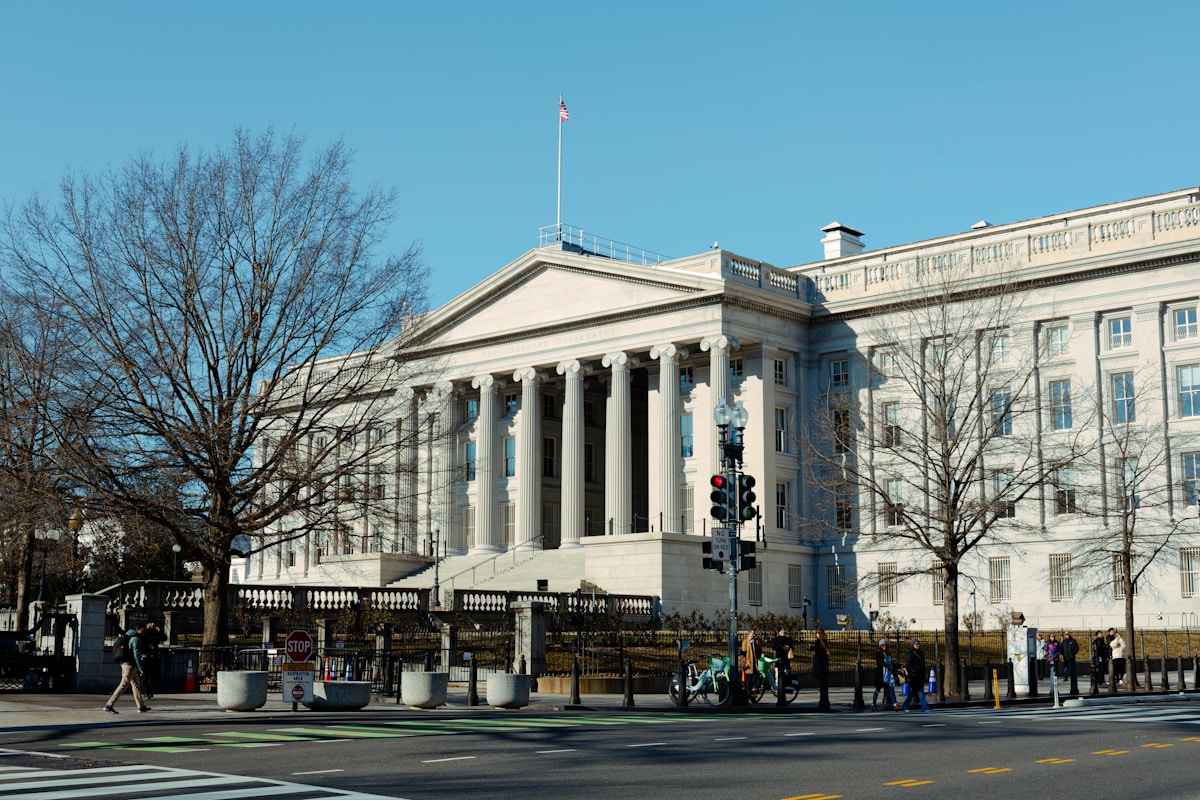
The shooting unfolded shortly before 6 p.m. Eastern time at the intersection of 17th Street and Pennsylvania Avenue Northwest, a busy tourist corridor on the western edge of the White House complex. According to a statement from the Secret Service, the suspect approached the checkpoint, removed a weapon from a bag and began firing at posted officers. Agents returned fire, striking the man, who was transported to a nearby hospital and later pronounced dead.
A bystander was also struck during the exchange of gunfire. Officials said Saturday night that it remained unclear whether the bystander had been hit by the suspect’s initial rounds or by fire from Secret Service officers. Both the bystander and the suspect were reported in critical condition before the gunman died at the hospital, according to a law enforcement official who spoke on condition of anonymity because they were not authorized to discuss the investigation.
President Donald Trump was inside the White House residence at the time and was not harmed. The Secret Service confirmed he was not “impacted” by the incident. The White House was placed under immediate lockdown, which was lifted later in the evening, and the press corps was allowed to return to the North Lawn. No Secret Service personnel were reported injured.
Law enforcement sources identified the gunman as Nasire Best, 21, who had prior encounters with the Secret Service. The Metropolitan Police Department posted on X urging the public to avoid the area while the Secret Service worked the scene. More than 30 shots were fired in the incident, according to witnesses near the perimeter.
Secretary of Homeland Security Markwayne Mullin said he was closely monitoring the situation. “Tonight’s shooting is a reminder of the dangers our law enforcement officers face every day,” Mullin wrote on X. Republican House Majority Leader Steve Scalise echoed that sentiment, posting: “We live in dangerous times.” Other Republicans quickly confirmed that Trump was safe.
The incident is the third violent episode near the White House perimeter in the past six months, a pattern that has drawn pointed criticism of security protocols from members of both parties. Last November, a gunman ambushed two members of the West Virginia National Guard near the same stretch of Pennsylvania Avenue. U.S. Army Specialist Sarah Beckstrom, 20, died from her wounds, and Andrew Wolfe, then 24, was critically injured. Rahmanullah Lakanwal has been charged in that attack.
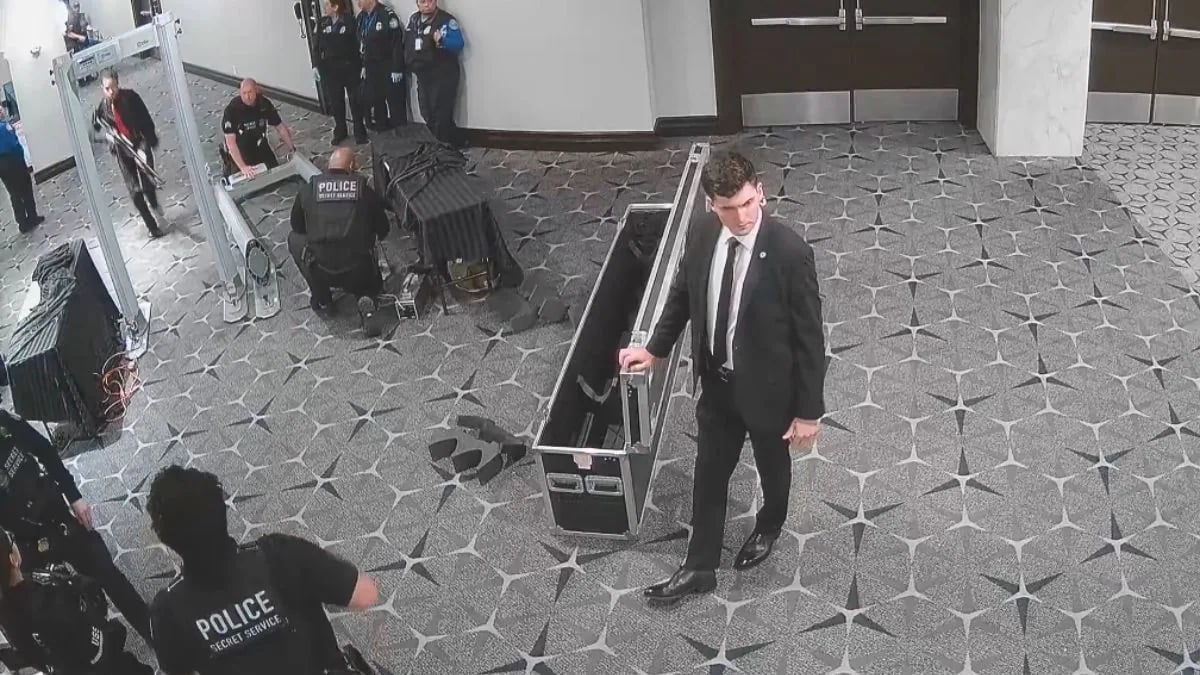
The Saturday shooting also comes less than a month after what federal law enforcement authorities described as an attempted assassination of the president. On April 25, as Trump attended the annual White House Correspondents’ Association Dinner at a Washington hotel, Cole Tomas Allen of Torrance, California, was arrested on charges that he had attempted to kill the president. Allen has pleaded not guilty and remains in federal custody. In the weeks that followed, Secret Service officers shot a separate suspect they said had fired at officers near the Washington Monument.
The accumulation of incidents has placed renewed pressure on the Secret Service, an agency that has faced sustained scrutiny over its protective protocols since a gunman came within seconds of killing Trump at a campaign rally in Butler, Pennsylvania, in July 2024. The agency has since undergone leadership changes and a widely publicized internal review, but critics argue that the reforms have not been sufficient to address a threat environment that has grown measurably more dangerous around the nation’s capital.
Saturday’s shooting unfolded on the same evening that Trump was publicly declaring that a peace deal with Iran had been “largely negotiated” and would be announced shortly, a disclosure that had itself placed intense global attention on the White House. The timing, officials were careful to note, appeared coincidental, and there was no immediate indication that the shooting was connected to the Iran negotiations or any organized political plot.
The identity and precise motive of Best were not immediately made public by authorities, and a formal investigation was underway Sunday morning. The FBI, which routinely assists the Secret Service in investigations of threats to the president, was expected to play a role in determining what drove the gunman to open fire at one of the most heavily policed intersections in the United States.
Washington had seen a steady rise in high-profile security incidents in the months since Trump returned to the White House, a development that law enforcement analysts have attributed partly to the inflamed political atmosphere and partly to the concentration of symbolic targets in the capital. Saturday’s shooting added another entry to a list that, for many in the city, has grown uncomfortably long.