WASHINGTON — The condemned men have been waiting at Fort Leavenworth for years, some for decades. Their cases wound through military courts, their sentences confirmed, their appeals exhausted or pending. What they have been waiting for — and what every president since Dwight Eisenhower has declined to provide — is a signature.
That calculus may be shifting. The US Army has prepared a detailed classified logistics plan, codenamed “Operation Resolute Justice,” to carry out the executions of four military death row inmates should President Donald Trump issue the required presidential execution order, according to an internal planning document reviewed by ABC News. If activated, the plan would produce the first execution of an American service member since 1961.
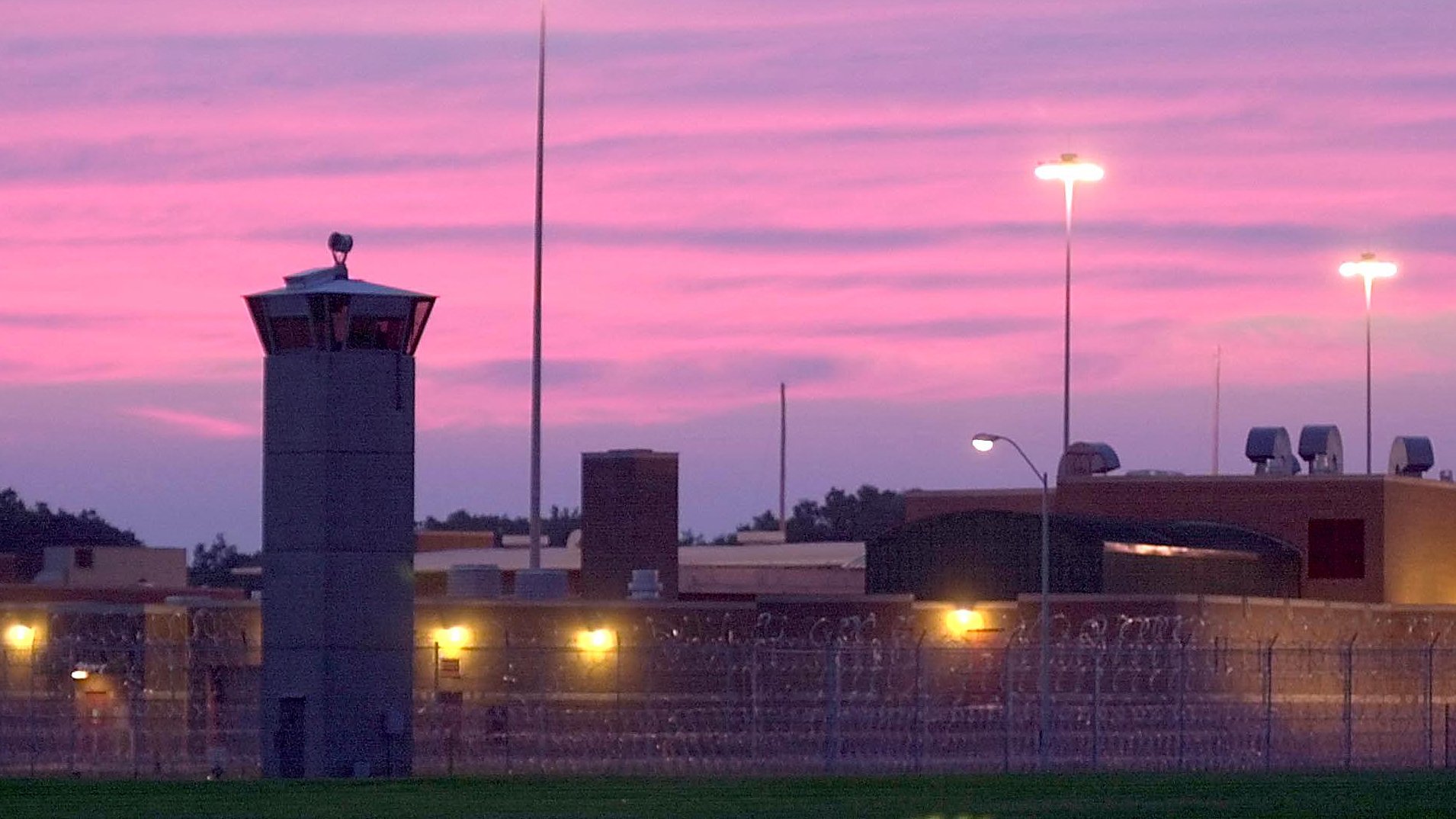
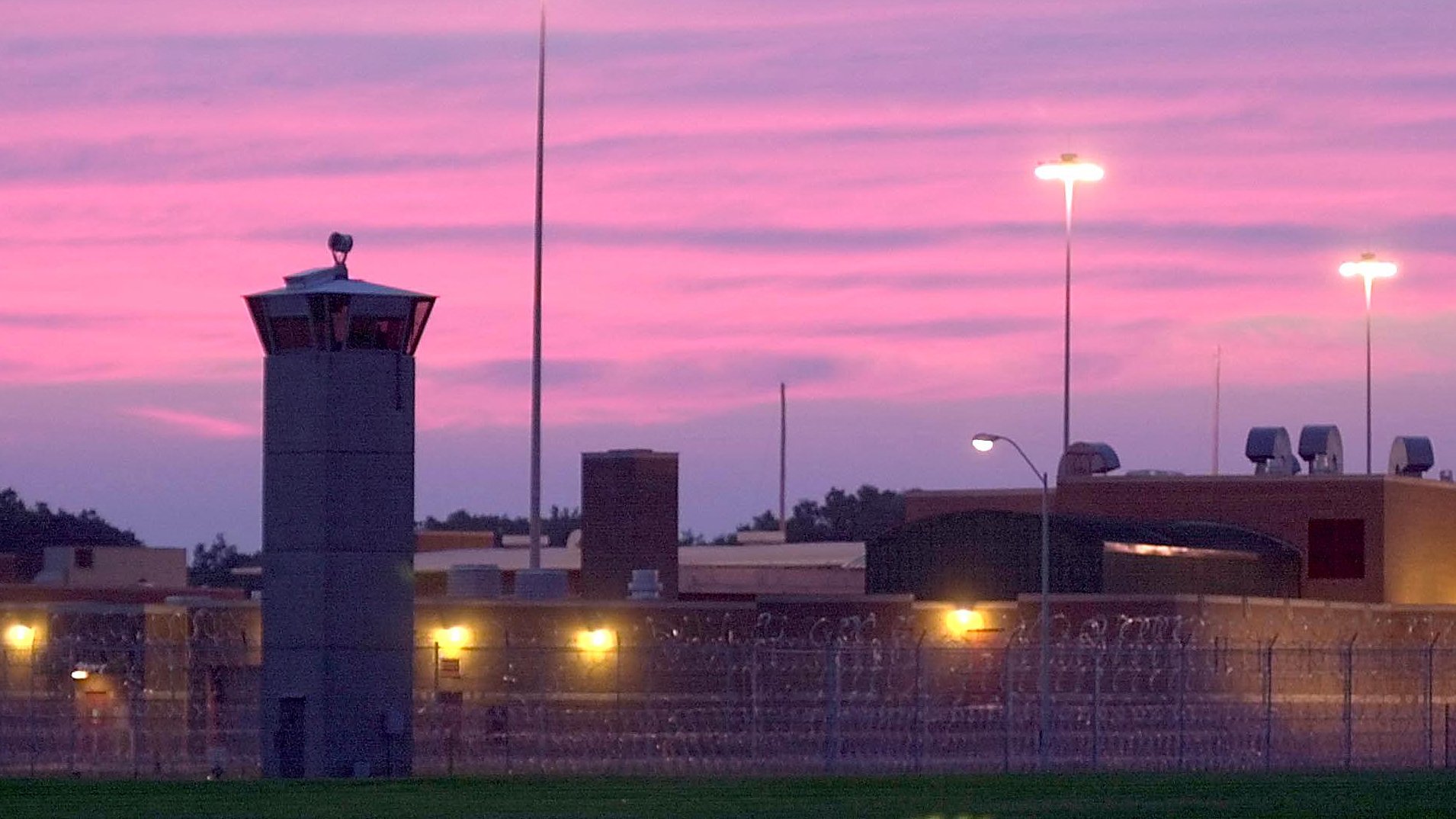
The document, issued internally in February, directs Army officials to coordinate with the Federal Bureau of Prisons to transfer condemned prisoners from the US Disciplinary Barracks at Fort Leavenworth, Kansas, to the federal execution facility in Terre Haute, Indiana. The 150-day operational window begins from the date of any presidential approval. Arrangements for a witness viewing station are also included.
The Army did not dispute the document’s existence. Cynthia Smith, an Army spokeswoman, confirmed the plan to Task & Purpose, but framed its disclosure in terms designed to deflect urgency. The exercises, she said, “have been conducted regularly for the past 20 years” and are “a standard component of our continued planning and preparation if the president approves a death sentence.” To date, Trump has not taken action on any of the three inmates whose sentences do not yet carry presidential approval — a procedural prerequisite under the Uniform Code of Military Justice before any military execution can proceed.
Under the UCMJ, unlike in civilian federal law, the president must personally confirm a military death sentence before it can be carried out. That requirement has functioned, in practice, as a long pause button. No president has pressed the matter since Lyndon Johnson declined to intervene in the case of Army Pfc. John Bennett, hanged in 1961 after his conviction for the rape and attempted murder of an 11-year-old girl in Austria. The military justice system has continued issuing death sentences in the decades since. The men sentenced have simply remained at Leavenworth, waiting.
The four inmates currently on military death row were convicted of crimes that included premeditated murder and rape. Among them is Nidal Hasan, the Army psychiatrist who killed 13 soldiers and wounded more than 30 others in the 2009 Fort Hood mass shooting — the worst attack on a US military installation in the country’s history. Ronald Gray, a former Army cook, was convicted in 1988 of raping and murdering four women in and around Fort Bragg, North Carolina. Hasan Akbar, convicted in 2005, attacked fellow soldiers with grenades and a rifle during the invasion of Iraq, killing two officers. The fourth, Andrew Witt, was convicted of killing a fellow airman and his wife at Robins Air Force Base in Georgia.
The revelation arrived in the context of Trump’s broader posture on capital punishment. On his first day back in office, he signed an executive order directing the Justice Department to reinstate and expand the use of the federal death penalty, ending the moratorium that had held through the Biden administration. During his first term, the Justice Department carried out 13 federal civilian executions at Terre Haute — the most by any administration in more than a century. Whether that appetite extends to military cases, which carry an additional constitutional step, is the question the plan does not answer.
Military legal experts told Task & Purpose that while courts-martial have continued handing down death sentences under the UCMJ, presidents have historically lacked the political will to sign off on them. The political calculus is not symmetrical: signing such an order would invite immediate scrutiny of the underlying cases, the demographic composition of military death row, and the adequacy of the legal processes that produced each sentence. Not signing imposes no comparable cost.
The existence of a named operational plan — rather than a generic contingency framework — is itself a signal, though what it signals is not yet clear. It may reflect institutional preparation ahead of anticipated presidential direction, or it may reflect nothing more than the Army’s habitual readiness planning, unchanged from the past two decades. The Army’s own characterization leans toward the latter. What the plan does not contain, as of its February issuance, is any indication that Trump has been briefed on it, requested it, or is moving toward the decision it anticipates.
What the plan does clarify is the logistical shape of what an execution would look like, should it come. Prisoners would be transferred from Leavenworth to Terre Haute’s federal penitentiary complex — the same facility used for civilian federal executions. The 150-day window suggests a structured timeline rather than a rushed procedure. Witness accommodations imply that public transparency, however limited, has been accounted for.
Trump pushed to expand the death penalty to cover Washington DC murders last year, a push that triggered constitutional challenges. Whether he will now extend that posture into the military justice system — where his authority is unambiguous and the cases have already been adjudicated — is not a question the Army’s planning document addresses. It waits, as the condemned men at Leavenworth have waited, for a decision that remains entirely in one man’s hands.