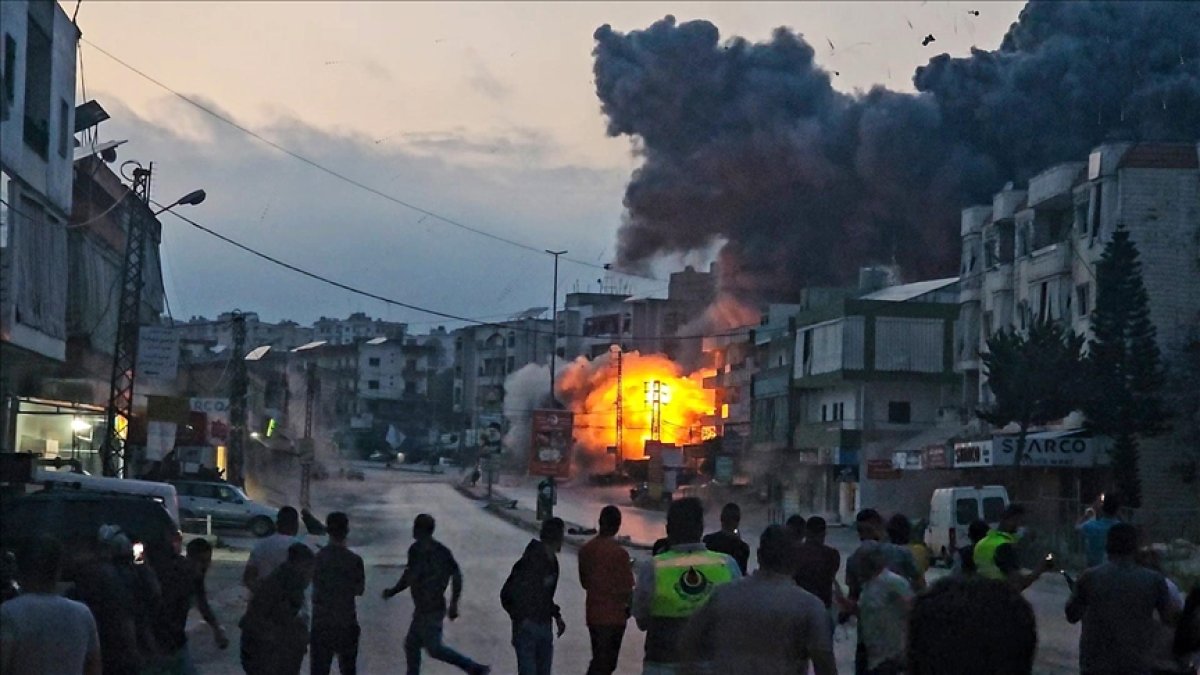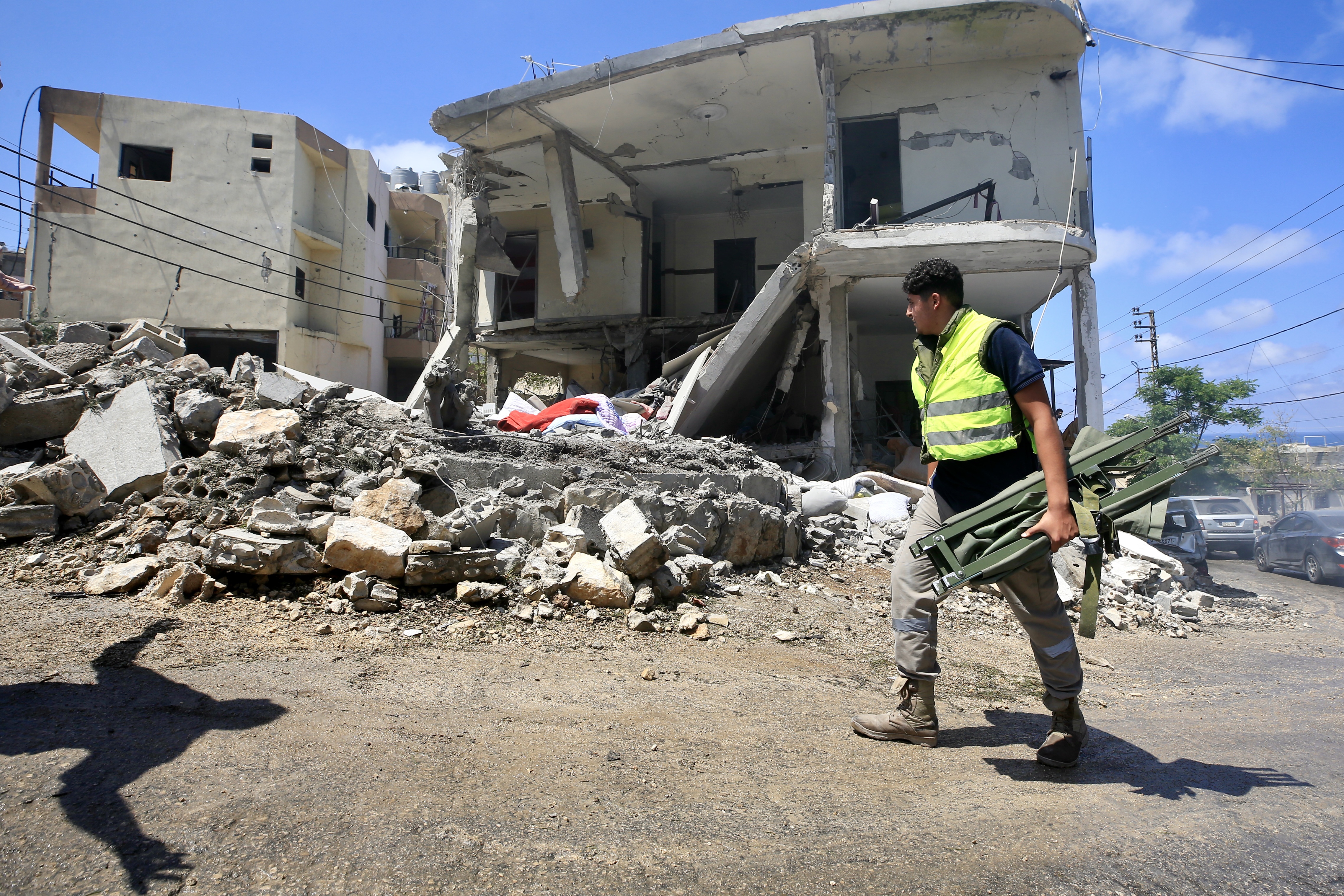
BEIRUT — The town of Saksakiyeh, in the Sidon district of southern Lebanon, was not listed in any Israeli military statement. No advance warning order was issued. No Hezbollah weapons depot was named as the target. What the Lebanese National News Agency reported Saturday was simpler and harder to absorb: an Israeli airstrike had struck the town, and people were dead.
The Emergency Operations Center of Lebanon’s Ministry of Public Health said two women were killed and 22 others wounded in the strike, including three children and one woman among the injured. Separately, Lebanon’s state-run National News Agency, citing the same attack, reported a higher toll of six killed and four wounded — a discrepancy that reflects the fractured, real-time nature of casualty tracking during an active military campaign. Neither figure has been independently verified. The Israeli military did not comment on the Saksakiyeh strike.
The attack came two days after the US State Department announced, on Thursday evening, that a new ceasefire agreement had been reached through American mediation. It was the fourth round of Lebanese-Israeli talks held in Washington. The announcement carried the hallmarks of a diplomatic breakthrough: a formal statement, the word “agreement,” a named American mediator. What it did not carry was Hezbollah’s signature. The group was not a party to the talks.
Naim Qassem, Hezbollah’s secretary-general, made the organization’s position explicit last week. Hezbollah would accept a ceasefire, Qassem said, only if Israel stopped striking anywhere on Lebanese territory — including the southern regions Israel says remain under active military operation. That condition has not been met. Since Thursday’s announcement, Israeli strikes have killed at least a brigadier general, a captain, and a soldier travelling on the Khardali-Nabatieh road, along with civilians across multiple districts, according to Lebanon’s army.
The Israeli military’s stated position has not shifted. On Thursday morning — before the ceasefire announcement, not after — it declared that combat operations in the buffer zone would continue under the terms of the Washington-brokered framework. The phrasing was deliberate. Israel defines the buffer zone as an area of ongoing military necessity; Lebanon’s government defines Israeli presence south of the Zahrani River as occupation. The two definitions have never converged, and the latest ceasefire text has not resolved them.
Saturday’s strikes extended well beyond Saksakiyeh. Al Jazeera reported an Israeli drone strike targeting a vehicle in Deir al-Zahrani in Nabatieh district, killing one person. A second drone hit the Zifta-Nabatieh highway. A strike struck the Habboush municipality. Israel also renewed forced displacement orders for the southern Lebanese villages of Armati, Mashgara, Kafr Huna, Sajad, and Ansariya, ordering residents to move north of the Zahrani River — a geographic instruction that has been issued and reissued through weeks of fighting without producing the evacuation Israel demands.
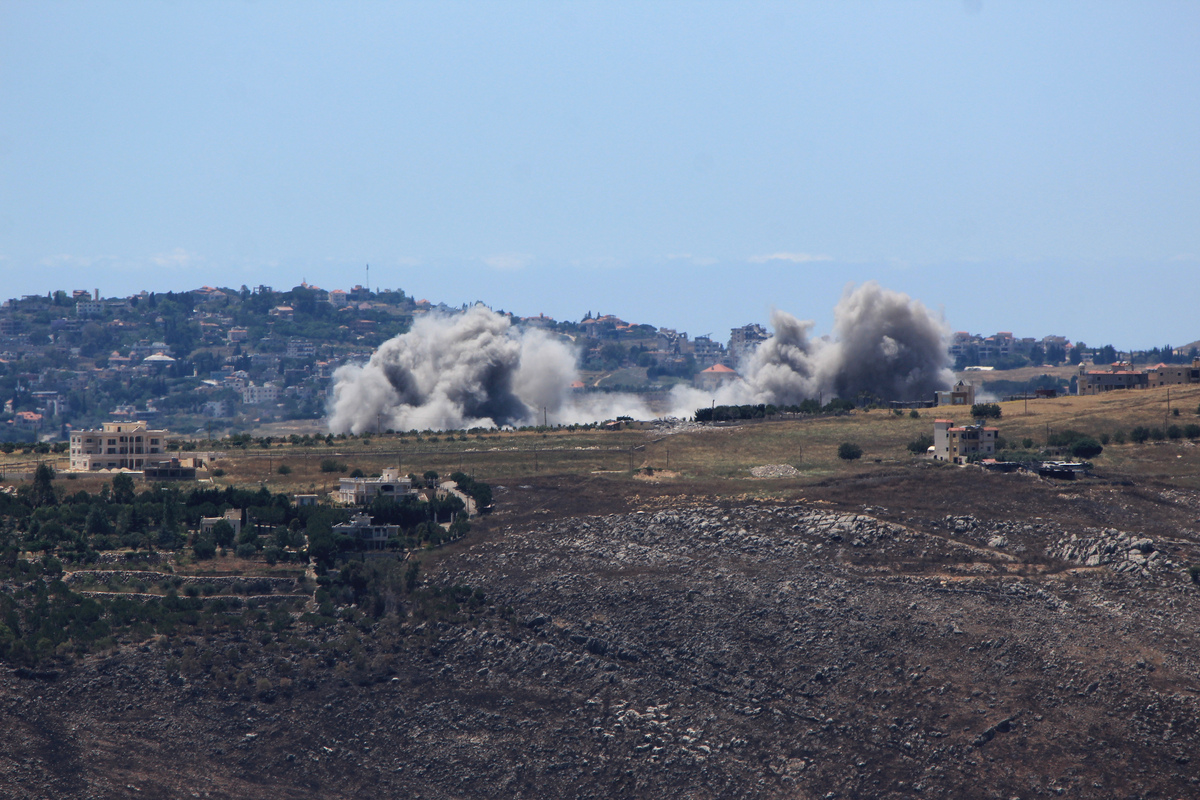
The displacement orders matter for a specific reason. They are simultaneously a military instrument and a legal one: Israel uses them to argue that civilian casualties in designated zones reflect non-compliance by those who remained rather than disproportionate force by those who struck. Lebanon’s army rejects that framing. In a statement following the death of the brigadier general on Saturday, the army said the “continued, deliberate, and repeated Israeli aggression” is aimed at preventing any political solution from taking hold.
That phrase — deliberate and repeated — is not rhetorical. Since the ceasefire announced in Washington, Lebanon has recorded casualties across multiple districts in a near-daily pattern. The Lebanese Health Ministry’s Emergency Operations Center, which tracks injuries and deaths through hospital intake rather than field reports, registers more than 3,550 people killed and over 10,800 injured in Israeli attacks in Lebanon since March 2. The figures include Saturday’s dead from Saksakiyeh, though the precise number remains contested between official Lebanese sources.
What is not in dispute: the ceasefire has not stopped the dying. Whether that reflects Israel’s interpretation of the agreement’s scope, Hezbollah’s refusal to recognize it, or the structural impossibility of a truce between parties who define the conflict’s geography differently — that question has no clean answer. Hezbollah has called the Washington framework a capitulation. Israel has called its continued operations an implementation of that framework. The civilians of Saksakiyeh were caught between those two readings.
What the next round of talks in Washington will offer them is not yet known.