
WASHINGTON — The United States is preparing to pull the plug on the last direct connections between its telecom networks and China’s three state-owned carriers, and some of the sharpest warnings about what that would break are coming from American companies, not Chinese ones.
The Federal Communications Commission is weighing a proposal that would bar US operators from interconnecting with China Unicom, China Mobile and China Telecom, the firms Washington has spent half a decade pushing to the edges of its communications system. A broader version under review would go further, stopping Chinese telecom companies that run data centers and internet exchange points inside the United States from handing traffic to other networks at all. It is the logical endpoint of a long campaign, not merely revoking the Chinese carriers’ licenses to sell service, which already happened, but cutting the wires themselves.
China Unicom’s American unit told the commission the plan would misfire. In a regulatory filing, the company argued the restrictions would harm American firms with significant operations and supply chain interests in China, and warned that a blanket prohibition could fracture an important segment of the global communications system. The phrasing is worth sitting with, because it describes the real stake. The internet is not a set of national networks that happen to touch. It is one system, stitched together by interconnection deals that let a data packet leaving Shanghai reach Ohio without anyone asking permission at the border. Pull enough of those stitches and the fabric does not become safer. It becomes smaller.
What makes the proposal unusual is who lined up against it. This is not the familiar scene of Beijing protesting an American security measure while US industry stays silent. AT&T, Verizon and T-Mobile, speaking through their trade group USTelecom, pushed back too, because the carriers grasp something the policy does not fully price in. Connectivity runs both ways. American companies with factories, suppliers and customers in China rely on the same links to move data, coordinate logistics and keep operations synchronized across the Pacific. A wall built to keep Chinese traffic out also keeps American traffic in.
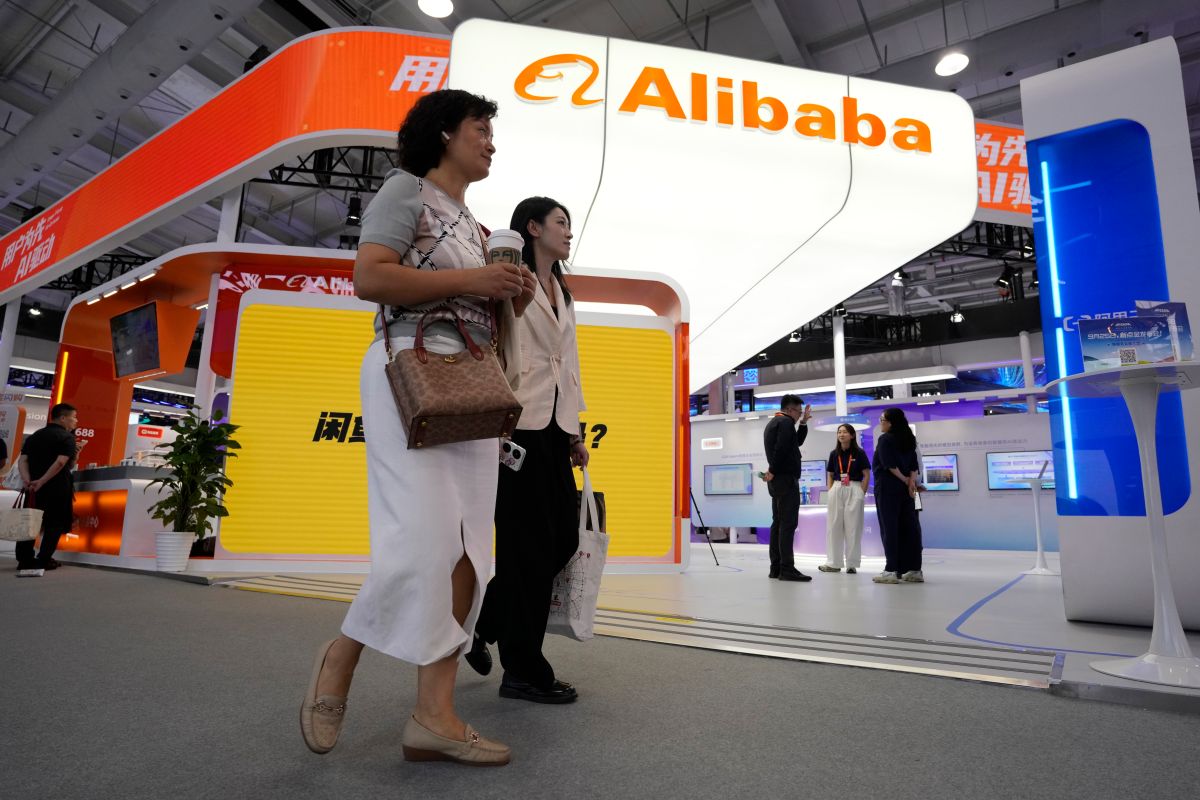
The move does not arrive in isolation. It comes the same week the Pentagon expanded its roster of designated Chinese military companies to 188 firms, newly adding the electric-vehicle maker BYD, the e-commerce group Alibaba and the search company Baidu. Those designations bar the companies from US defense business and signal, once again, that Washington now treats large stretches of China’s commercial economy as an extension of its military. The telecom proposal runs on the same logic, carried over from chips and contractors to the cables and routers that move the world’s data.
The regulator driving it is the FCC under chairman Brendan Carr, who has turned the commission into one of the administration’s more aggressive instruments. Carr’s FCC has already moved to outlaw the anonymous burner phone inside the United States, and stands accused by Disney and ABC of weaponizing its authority against broadcasters it dislikes. The through line is a readiness to use a technical regulator as a strategic and political tool, reaching well past the spectrum-and-licenses work the agency was built to do.
The security argument is not empty. China Unicom, China Mobile and China Telecom are state-owned, and US officials have long contended that leaving them plugged into American infrastructure creates avenues for surveillance and disruption. That case carried the day when the FCC stripped all three of their authority to offer service in the United States in the early 2020s. What is new is the ambition. The commission is no longer asking whether Chinese carriers can sell to American customers. It is asking whether they can connect to American networks at all, and whether any company they touch should be quarantined from everyone else.
That ambition collides with how the internet actually works, and with the limits of decoupling as a strategy. The same week the proposal surfaced, China reported that its exports surged past records even as Trump’s tariff war tried to wall it off, a reminder that separation announced in Washington does not always produce the isolation it promises. Severing network links is cleaner on a press release than in a server room, where traffic reroutes, costs climb, and the firms that absorb the bill are frequently the ones flying American flags.
Beijing’s carriers hold leverage of their own. China sits at the center of the supply chains that build the world’s routers, switches and undersea cable hardware, and it operates a growing share of the physical infrastructure carrying data across Asia and into Africa and Latin America. A United States that fences itself off from Chinese networks does not slow them by doing so. It hands the connective tissue of much of the world to a system it has chosen not to touch, and asks everyone else to pick a side of a wall that did not exist a decade ago.
What the FCC has not answered is the question its own proposal raises. If interconnection with Chinese carriers is dangerous enough to sever, what becomes of the American firms, allied networks and third countries that route through those links today, and who pays when the single global internet the plan takes for granted quietly splits in two? The commission has opened the matter for public comment. It has not said what the network is supposed to look like on the other side.