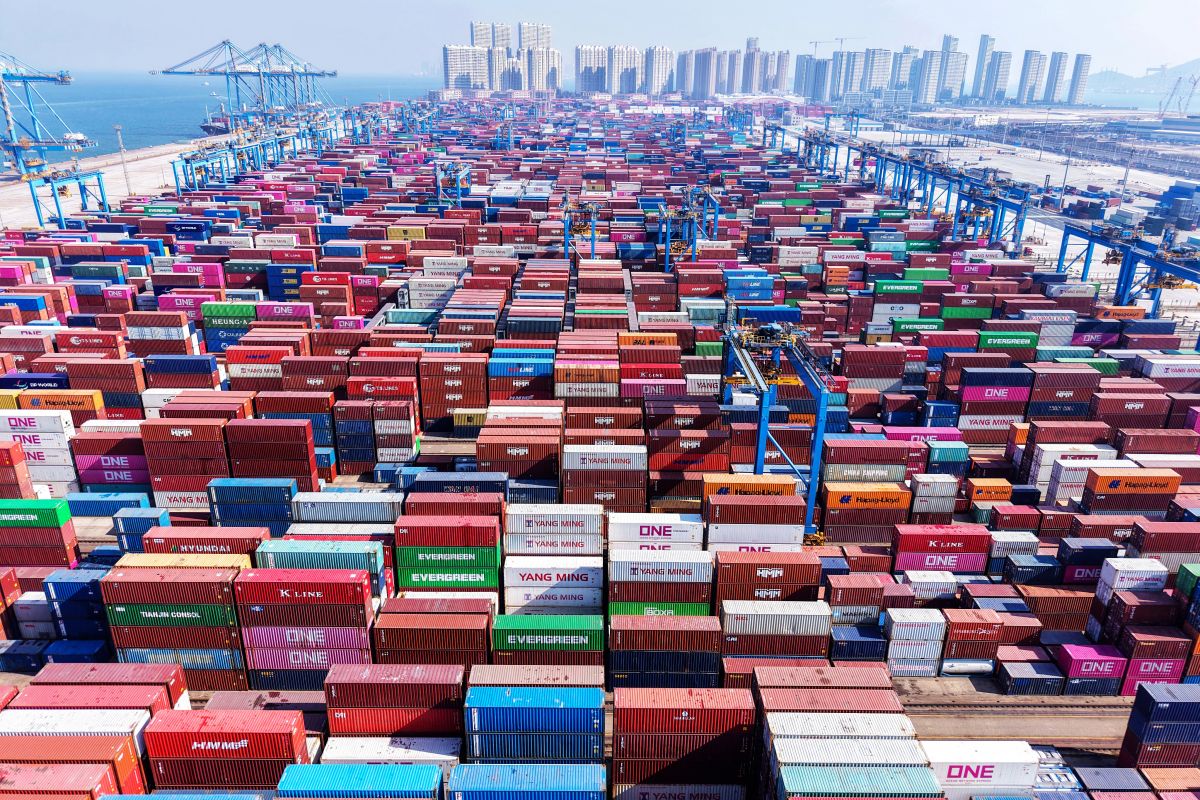

BEIJING — The trade war was supposed to wall China off from its biggest customer. Instead, China just sold more to the United States than at any point in five years. The country’s exports surged 19.4 percent in May from a year earlier, a record monthly haul of roughly 377 billion dollars, customs data released on Tuesday showed, accelerating sharply from April’s already brisk pace. Shipments to the United States, the market Washington has spent years trying to wean off Chinese goods, jumped 35.4 percent, their fastest growth since early 2021.
The figures describe an export machine that is not merely surviving the American tariff campaign but pulling away from it. Imports rose 27.4 percent, beating forecasts and easing fears about weak domestic demand, while the overall trade surplus widened to about 105 billion dollars, the largest in months and well above what economists had penciled in.
For an administration that staked its economic credibility on bending Beijing through tariffs, the numbers read as an awkward verdict. Whatever duties Washington has layered on Chinese goods, American importers kept buying, and in greater volume. Part of the explanation is mechanical, as many firms rushed orders forward to get ahead of looming cost pressures, including the energy-price risk hanging over the war in the Middle East. But front-loading alone cannot account for a 35 percent jump, and the deeper story is that China’s manufacturers have simply grown harder to replace.
That is the detail Beijing is most eager to highlight. According to the official tally, machinery and electrical products now account for more than 60 percent of China’s exports, with categories such as electric vehicles and solar equipment leading the way. The country the West still pictures stitching shirts and assembling toys is now exporting the hardware of the energy transition, and doing so faster than its rivals can build the capacity to compete.
The tariff math has quietly turned in China’s favour. As Washington raised duties on the Southeast Asian manufacturing hubs that had been positioned as alternatives to China, the gap that once made Vietnam or Thailand cheaper narrowed. The practical effect is that Chinese exporters now face a tariff disadvantage smaller than many of the countries meant to displace them, an outcome almost precisely opposite to the one the policy intended. Beijing’s tariff battles with trading partners from Australia to Asia increasingly look like skirmishes it can outlast.
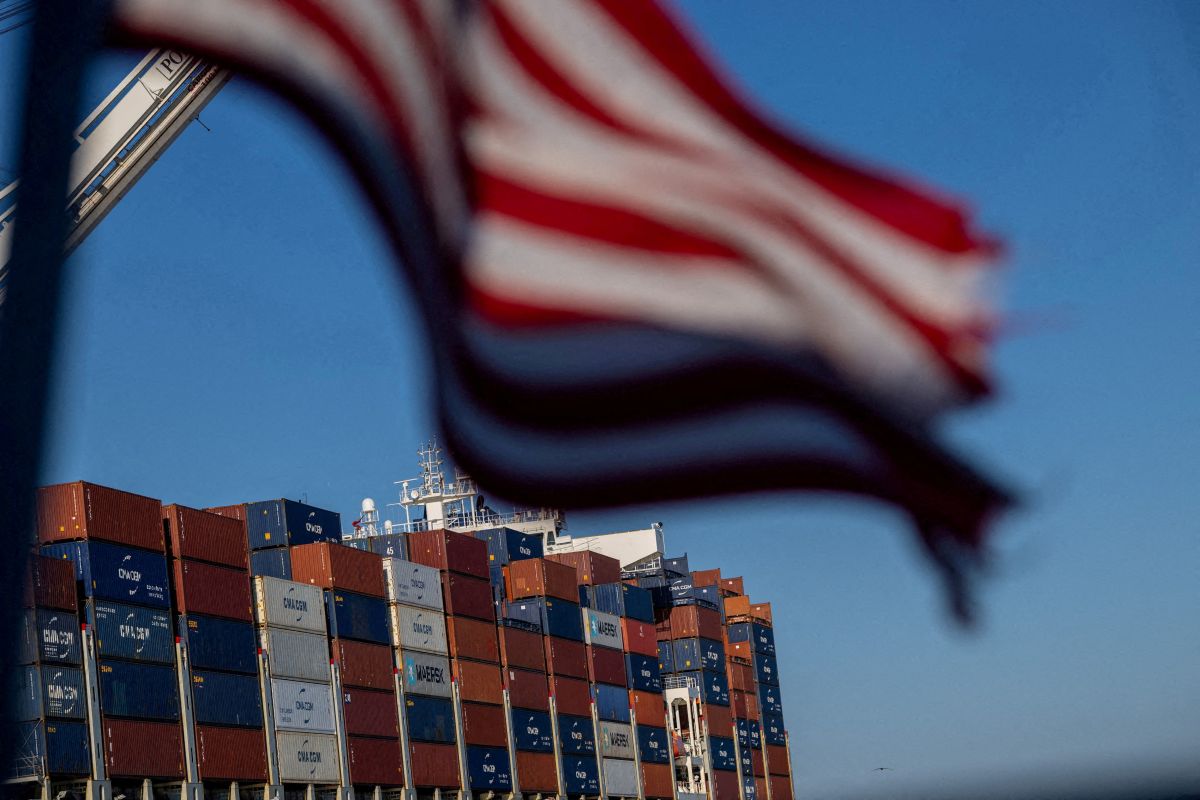
None of this has gone unnoticed in Western capitals, where the same surplus that signals strength in Beijing is read as a threat. The European Commission has weighed fresh curbs on Chinese imports even as member states split over how hard to push, wary both of Beijing’s capacity to retaliate and of their own dependence on Chinese inputs. The complaint, repeated from Washington to Brussels, is overcapacity, the charge that China makes too much and exports the surplus to the world.
The May data is not an aberration but the continuation of a trend that held throughout last year, when China’s annual trade surplus blew past one trillion dollars for the first time in history. Trading partners from the European Union to Australia have been learning how little leverage tariffs actually confer over a manufacturing base of China’s scale.
The picture is not without strain. A surplus this large invites political backlash and fresh trade barriers, and the front-loading that flattered May’s figures will eventually unwind, likely leaving softer months ahead. Critics inside and outside China still point to subdued household spending and a property sector that has yet to recover. But the import surge complicates the tidy narrative of a moribund Chinese consumer, and the export strength is real money in real markets.
For the wider world, the lesson is harder to dismiss with each monthly release. The attempt to isolate the world’s largest exporter has instead deepened everyone’s reliance on it, while accelerating China’s climb up the value chain. The leverage Washington believed tariffs would deliver has not materialised, and the bill, in the form of higher prices for American importers, has landed closer to home than intended.
What the customs data cannot settle is how long the momentum lasts once the rush to beat tariffs and energy costs fades. Beijing will read 19 percent as vindication, and its critics will call it a sugar high. The honest answer is that a single month, however large, proves resilience rather than permanence. What it does puncture is the assumption, now several years and several tariff rounds old, that the United States could simply decide to stop needing what China makes.