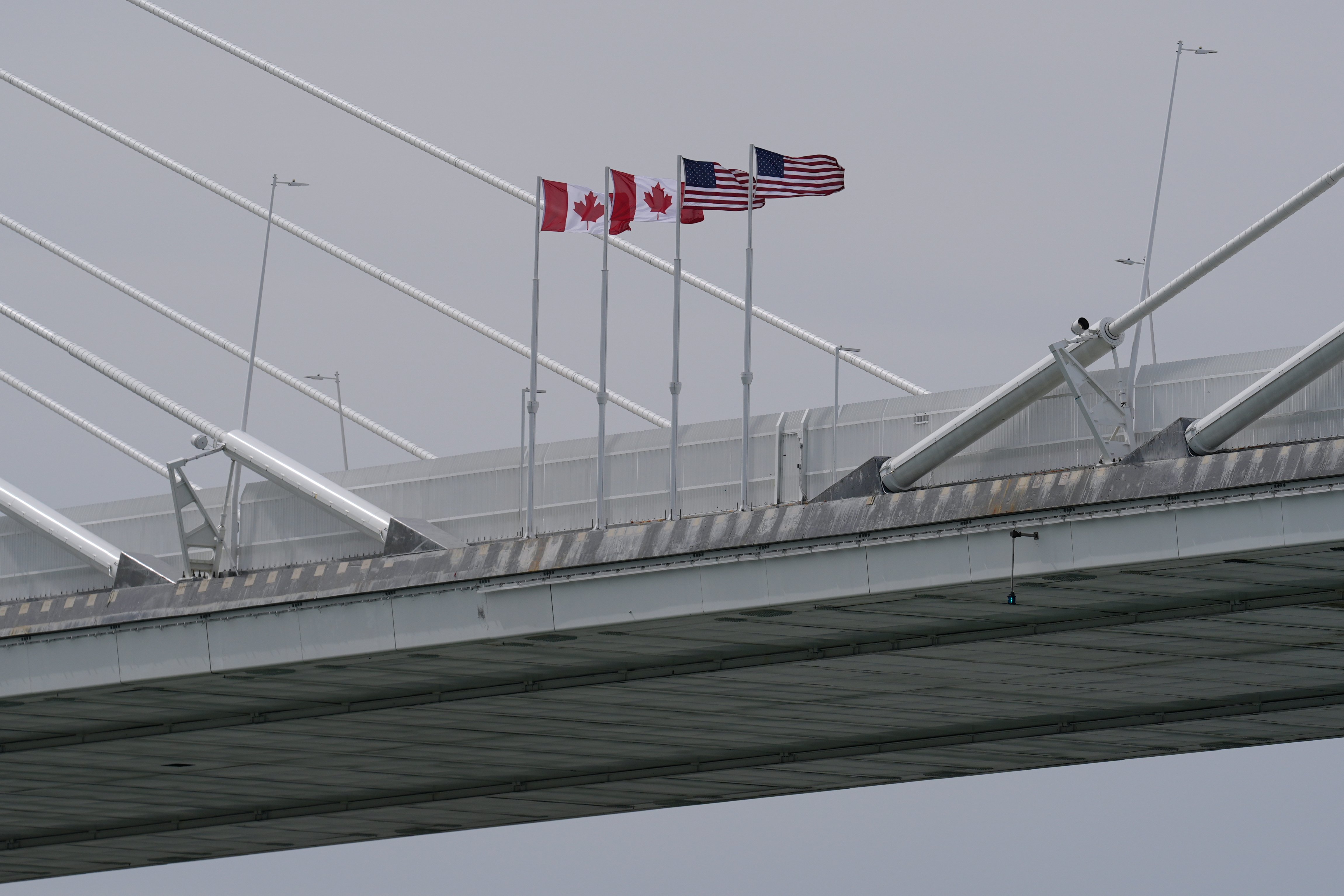

WINDSOR, Ontario — The bridge was supposed to be a story about concrete and traffic. Instead it became a test of whether an American president could stop a Canadian project he did not pay for and does not own. This week the answer arrives in the form of an open road. The Gordie Howe International Bridge opens regardless of what Donald Trump wants.
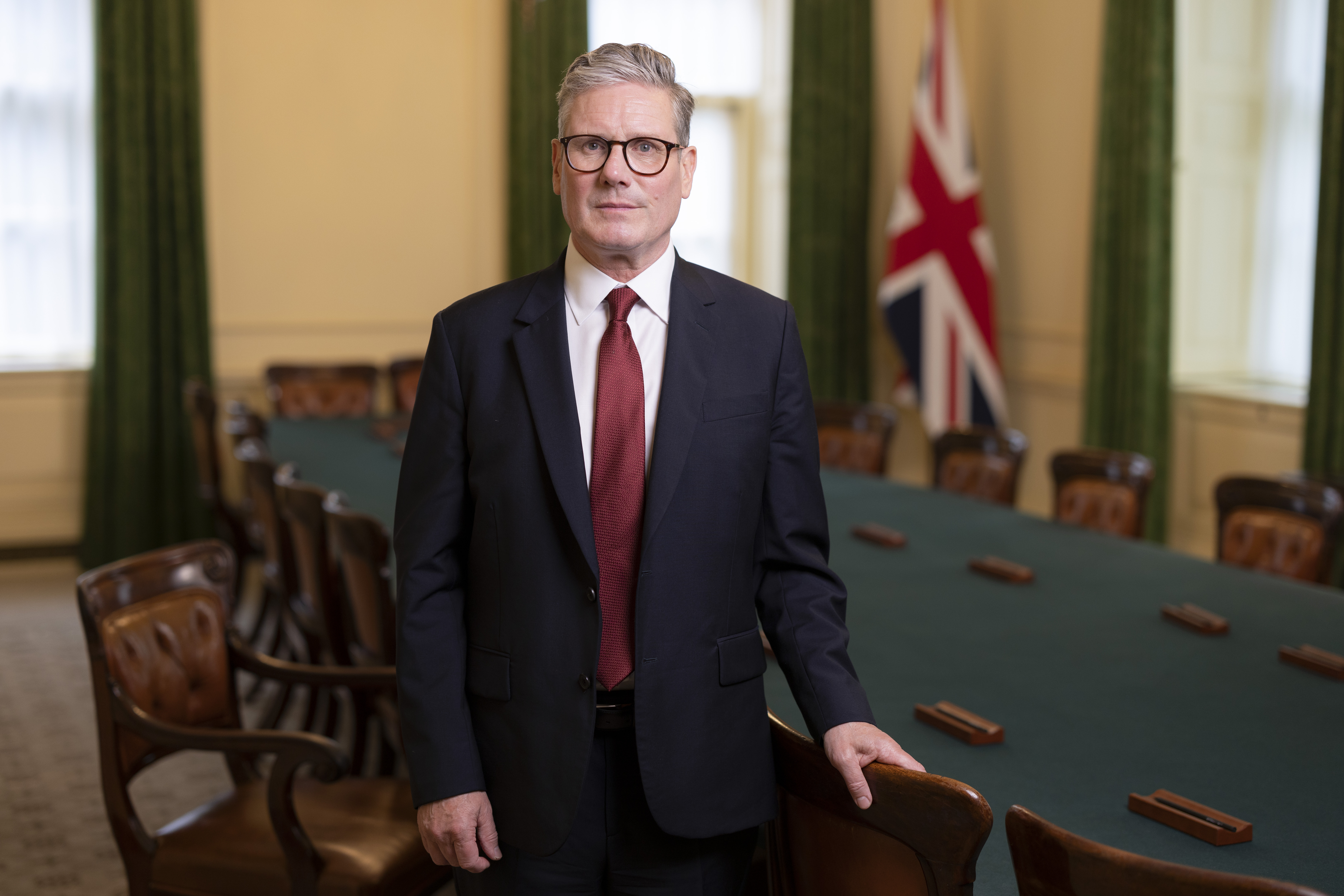
The span, six lanes across the Detroit River connecting Windsor to Detroit, is set to open at the end of the week, with a ribbon-cutting on Friday and traffic flowing by Monday, Prime Minister Mark Carney said on Tuesday. It cost roughly 6.4 billion dollars and took seven years to build, financed by Canada and the state of Michigan rather than by the private owners who have long controlled the only other crossing here. Carney called it a symbol but also a fact of cooperation, language chosen to answer the man who has spent months treating it as leverage.
What makes a bridge opening into news is who tried to stop it. Trump claimed, falsely, that the United States owned both ends of the structure, threatened to block its completion, and demanded that Washington be paid for a project it spent nothing to build, insisting the country receive at least half of an asset that is not its own, Al Jazeera reported. He has wrapped the dispute into the same rhetoric with which he has spent the year unsettling his northern neighbour, the tariffs, the talk of Canada as a future fifty-first state. The bridge is where that rhetoric meets something it cannot move.
The opening has not softened the position in Washington. Asked about it on Tuesday, a White House official told CBC News that the president’s view of the Gordie Howe bridge had not changed, and that the administration remained committed to securing the best possible deal for the American people, a phrase that in this case means a cut of the tolls on a crossing the United States did not finance. Trump first threatened to halt the opening in February. The threat has aged into an objection nobody in Canada is waiting on.
The fight is small in dollars and large in meaning, because it lands on the most valuable border in the world. Trade between the United States and Canada topped 909 billion dollars in 2024, and the two economies are stitched together at exactly the kind of crossing this bridge was built to widen. Yet the relationship that built it has been fraying for a year, as Canada has begun steering its trade away from the United States and ordinary Canadians have stopped feeling welcome across a border they once treated as an afterthought.
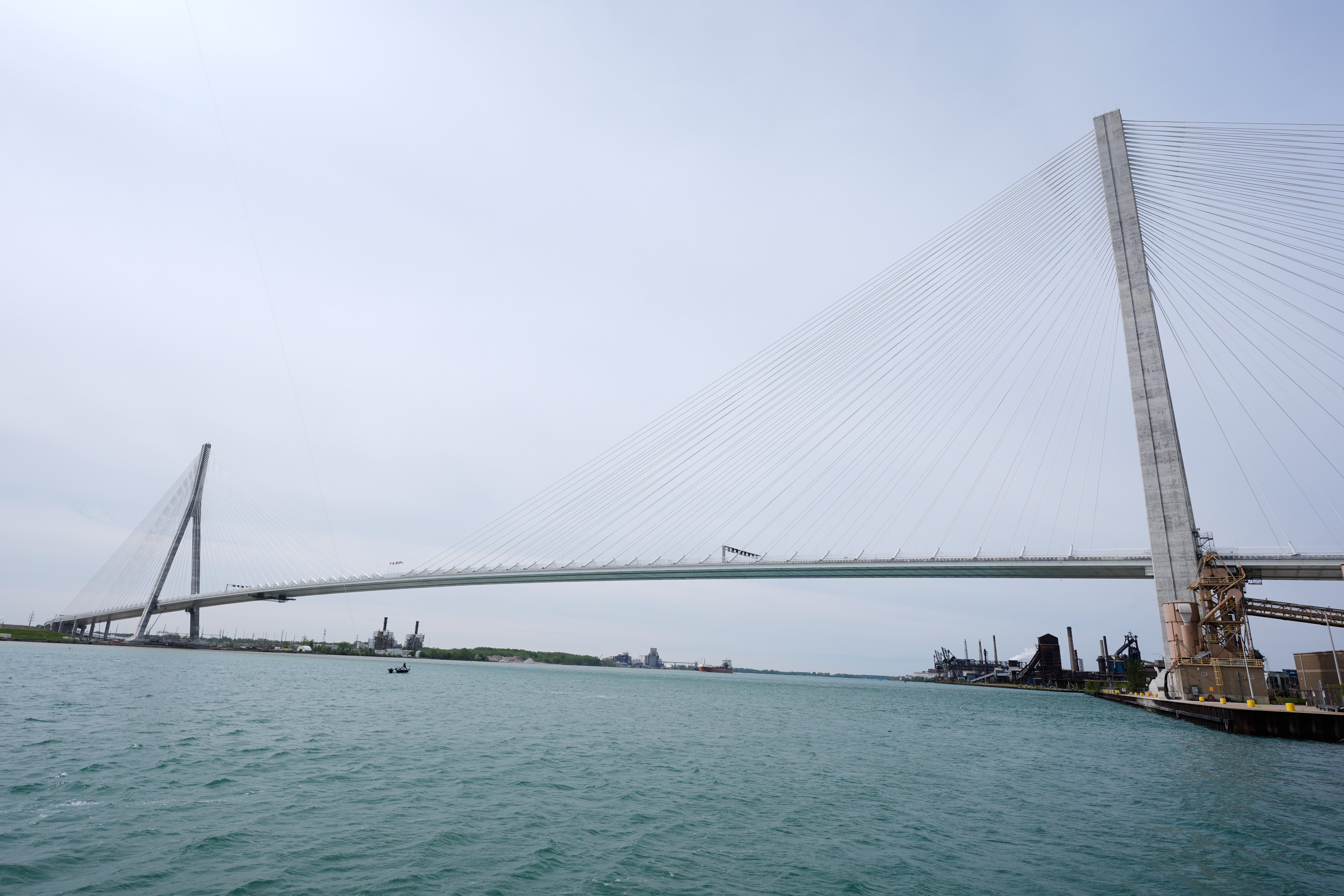
Carney has spent his time in office looking for exits from a dependence that suddenly feels like exposure, tilting toward China and Europe and away from a Washington that keeps changing the terms. The bridge complicates that story in a way that is useful to him. It is hard infrastructure, already built, that cannot be diversified away or renegotiated, a physical commitment to the very relationship Trump keeps threatening. Opening it on schedule lets Carney make a point without making a speech.
The Gordie Howe is also a quiet rebuke to how this border has worked. For decades the busiest crossing between the two countries was the privately owned Ambassador Bridge, a chokepoint a single family controlled and profited from. The new bridge was conceived in part to break that monopoly, a public structure built for the public on both sides. That a US president now wants to treat this one, too, as something to be owned and charged for is its own kind of irony.
Canada, for its part, has mostly declined to engage the demand on its own terms. Carney has not offered Washington a share of the tolls, has not acknowledged the ownership claim, and has not delayed the opening to negotiate. The strategy appears to be to let the bridge open and let the structure speak, to treat Trump’s position as weather rather than as a counterparty. Whether that holds depends on what Washington is willing to do at a border it cannot simply close without hurting itself.
What no one can yet say is whether the opening ends the dispute or merely relocates it. A bridge can be opened on a Friday; the tariffs, the customs pressure, the threats that travel with this presidency do not have ribbon-cuttings. Trump has tools at the border that a ceremony in Windsor does not neutralise, and it remains unclear whether he intends to use them or has simply lost a fight he never had standing to win.
For now the road is finished and the date is set, and the cars will cross whether or not Washington is satisfied. Canada built a bridge to its largest partner and is opening it to traffic, having charged that partner nothing and conceded it nothing. In a year defined by how much leverage the United States believed it held over its neighbour, the most pointed answer turned out to be a structure that simply opens.