
LONDON — The lobbying came on official paper. The United States government, through its embassy in London, formally asked Britain not to protect its children the way Britain has decided to protect them, warning in a submission to the government’s consultation against blunt regulatory instruments and broad social media bans. On Tuesday, Downing Street gave its answer: the crackdown goes ahead.
Keir Starmer is expected to announce a ban on social media for under-16s within days, Bloomberg reported, following the model Australia switched on last December. The prime minister’s position hardened after the government’s own consultation came back, with roughly nine in ten responding parents backing a ban, a number that converts child safety from a policy question into a political instruction.
The American objection arrived before the announcement did. The Trump administration urged the UK not to enact the ban, citing what it called the benefits of access to the open internet and arguing that parents, not governments, should manage children’s social media use. The embassy’s consultation submission pressed for targeted content restrictions and parental controls instead, the architecture the platforms themselves prefer, and the one Britain’s consultation just rejected.
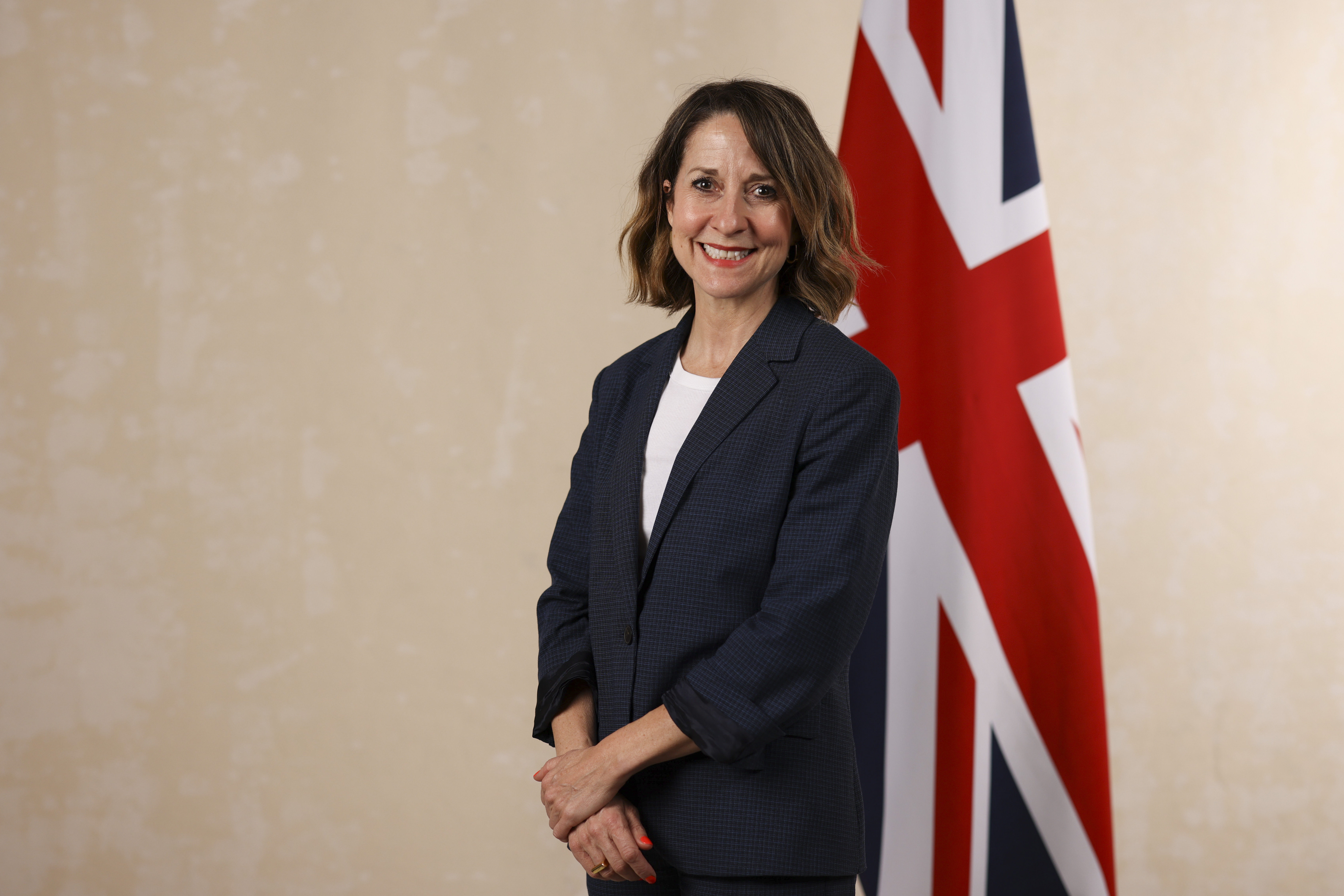
The technology secretary, Liz Kendall, answered Washington without diplomatic padding, saying she would not be swayed from doing what she believed was right for children in this country. Ministers around her made the same point less politely: British policy on child safety would be set by the welfare of British citizens, not by the commercial interests of Silicon Valley or the political ideology of the White House.
What Britain is preparing goes beyond an age gate. Alongside the ban, ministers have issued an ultimatum to device makers, demanding they activate features or build tools that detect and block nude images on children’s smartphones and tablets, with the requirements applying to existing devices as well as new ones sold in the UK, The National reported. Apps such as YouTube Kids are expected to be excluded, and adults who verify their age would see no change.
The pressure inside Britain runs in the opposite direction from the pressure outside it. England’s children’s commissioner, Rachel de Souza, has argued the ban does not go far enough and should cover 16 and 17 year olds for equal protection. The consultation’s parents wanted action; the commissioner wants more of it; the only constituency asking Britain to slow down sits in Washington and in the boardrooms whose interests Washington’s submission echoed.
The politics of the timing are not subtle, and honesty requires naming them. Starmer is the least popular prime minister in modern polling, fighting a leadership challenge that comes to a head at the Makerfield by-election on June 18, and the announcement is expected before that vote. A policy backed by nine in ten consulted parents, opposed by American tech companies and the Trump administration, is the rare object in British politics that helps him with every audience at once.
But the cynicism explains the timing, not the policy. The ban has been moving through consultation for months, the Australian precedent has been running since December, and the parental numbers did not materialize for a by-election. Whatever else Starmer’s government has misjudged, it has read this much correctly: the country it governs has decided that childhood and the platforms’ business model are in conflict, and has picked a side.
The confrontation with Washington fits a pattern that has hardened this year. The same government has pressed ahead with national security legislation over civil liberties objections, and now proceeds with platform regulation over American ones. An administration that treats regulation of US tech firms abroad as a trade grievance keeps discovering that allied governments, whatever their other weaknesses, will not run their domestic law through the White House.
What no one has answered is whether the ban will work. Australia’s experience is six months old and contested, age verification at national scale remains an unsolved engineering and privacy problem, and the device-level demands now on the table would reach into operating systems controlled by two American companies with every incentive to resist. The government has not published how verification will function, what happens to teenagers already on the platforms, or how it will measure success.
Nor is it clear what Washington does with a refusal. The administration’s submission carried no explicit threat, but its trade rhetoric has tied tech regulation to tariffs before, and the platforms have allies in an American government that has shown it will spend diplomatic capital on their behalf. Whether the under-16 ban becomes a footnote or a front in the broader US-Europe technology fight depends on decisions not yet made in either capital.
For now, the sequence stands on its own. The world’s most powerful government asked Britain, formally and in writing, to leave its children on the platforms. Britain’s answer comes within days, and everyone involved already knows what it says.