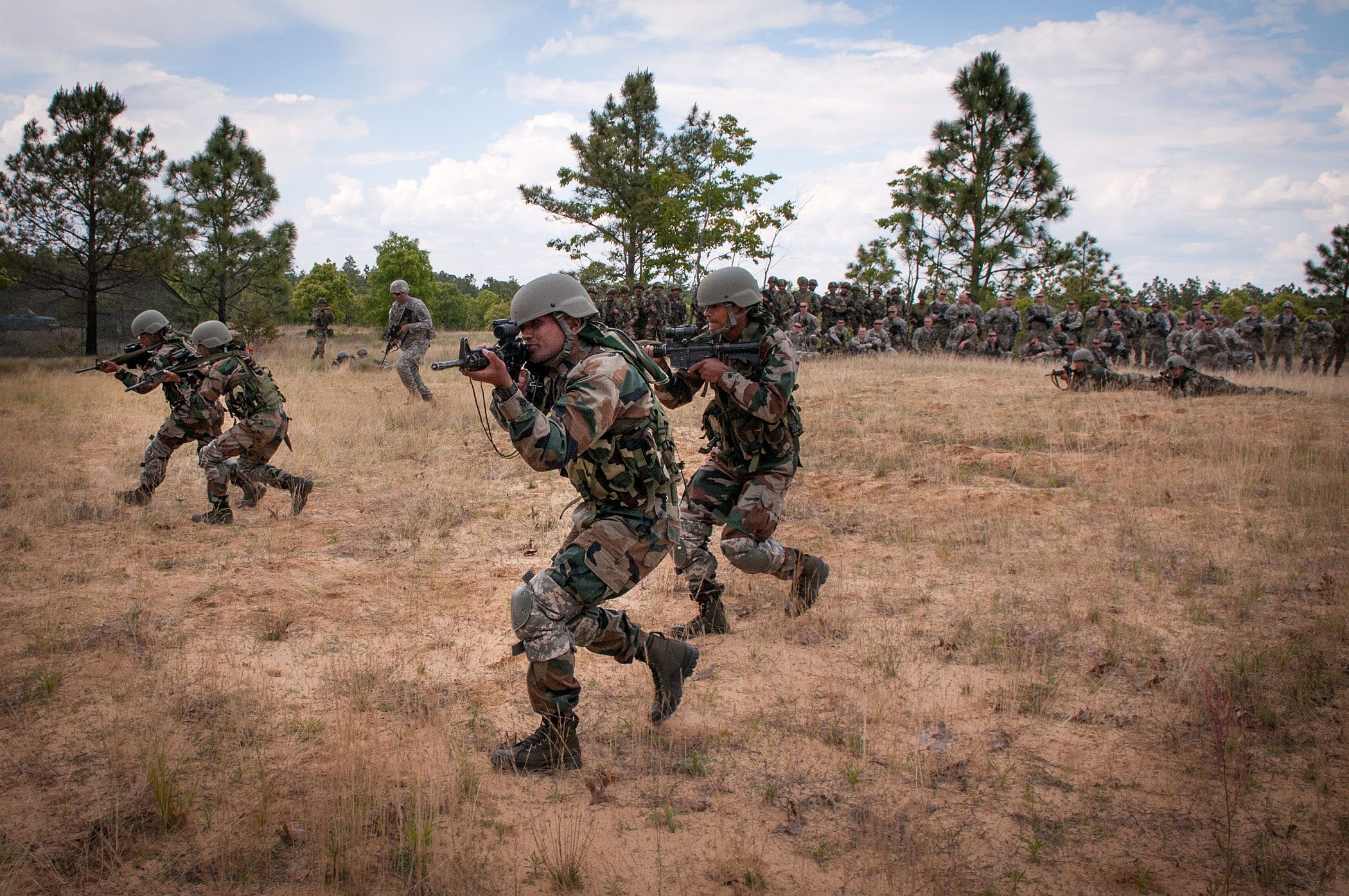

NEW DELHI — India’s generals have concluded they will not get to fight one war at a time. That assumption is now written into the most consequential file on Rajnath Singh’s desk: a plan to dissolve the military’s 17 single-service commands and replace them with three joint theatre commands, one pointed at China, one at Pakistan, and one at the ocean between them. The South China Morning Post reported on Wednesday that the plan, the largest reorganisation of the Indian military since independence, is gathering pace.
The architecture is specific. A Northern Theatre Command headquartered in Lucknow, led by an army officer, would watch China. A Western Theatre Command in Jaipur, under an air force officer, would face Pakistan. A Maritime Theatre Command in Thiruvananthapuram, run by the navy, would take the Indian Ocean. The blueprint went to the defence minister in May and now waits on his ministry and the Cabinet Committee on Security. Gaurav Kumar, a researcher at the United Service Institution of India, gave the Post the premise underneath it in one sentence: the military “may not have the luxury of dealing with one challenge at a time any more.”
What the plan does, more than redraw maps, is convert a suspicion into doctrine. The suspicion dates to Operation Sindoor, India’s strikes on Pakistan after the killing of 26 civilians in Jammu and Kashmir, when Indian planners read what they saw as active coordination between Islamabad and Beijing. A reform that had drifted since the chief of defence staff post was created in 2019 suddenly had a demonstration case. China and Pakistan, in the new planning language, are not two problems that might coincide. They are one front that already has.
The current structure is an inheritance. Seventeen commands, split among the army, navy and air force, each with its own geography, headquarters and habits, coordinating with one another through liaison and goodwill. The theatre model replaces service lines with threat lines, the way China restructured the People’s Liberation Army into theatre commands in 2016 and the way American combatant commands have worked for decades. India has debated the idea for twenty years. Wars nearby have a way of concentrating minds.
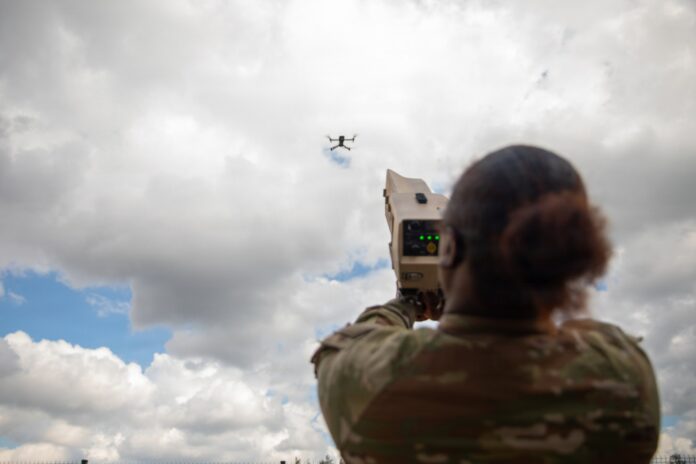
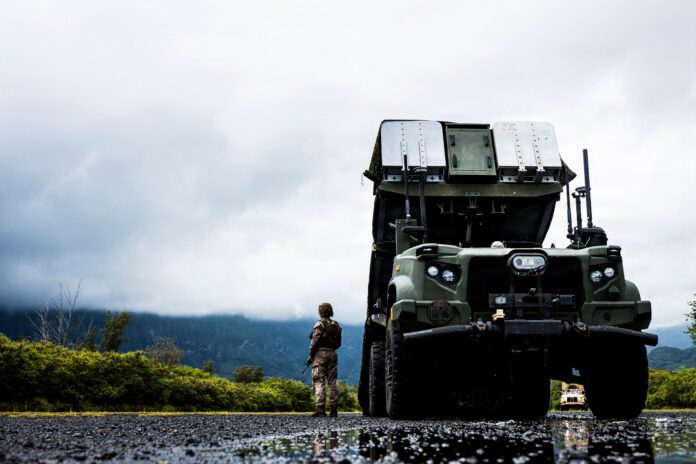
The arithmetic driving it is uncomfortable. Pakistan flies Chinese-built aircraft and fields Chinese missiles, the northern border is a standing crisis of its own, and the army has spent recent years adding commando and drone units along both frontiers, a buildup the Post has tracked in detail. Preparing for either adversary separately was expensive. Preparing for both at once, through structures built in another century, struck the planners as worse than expensive. It struck them as untested theory.
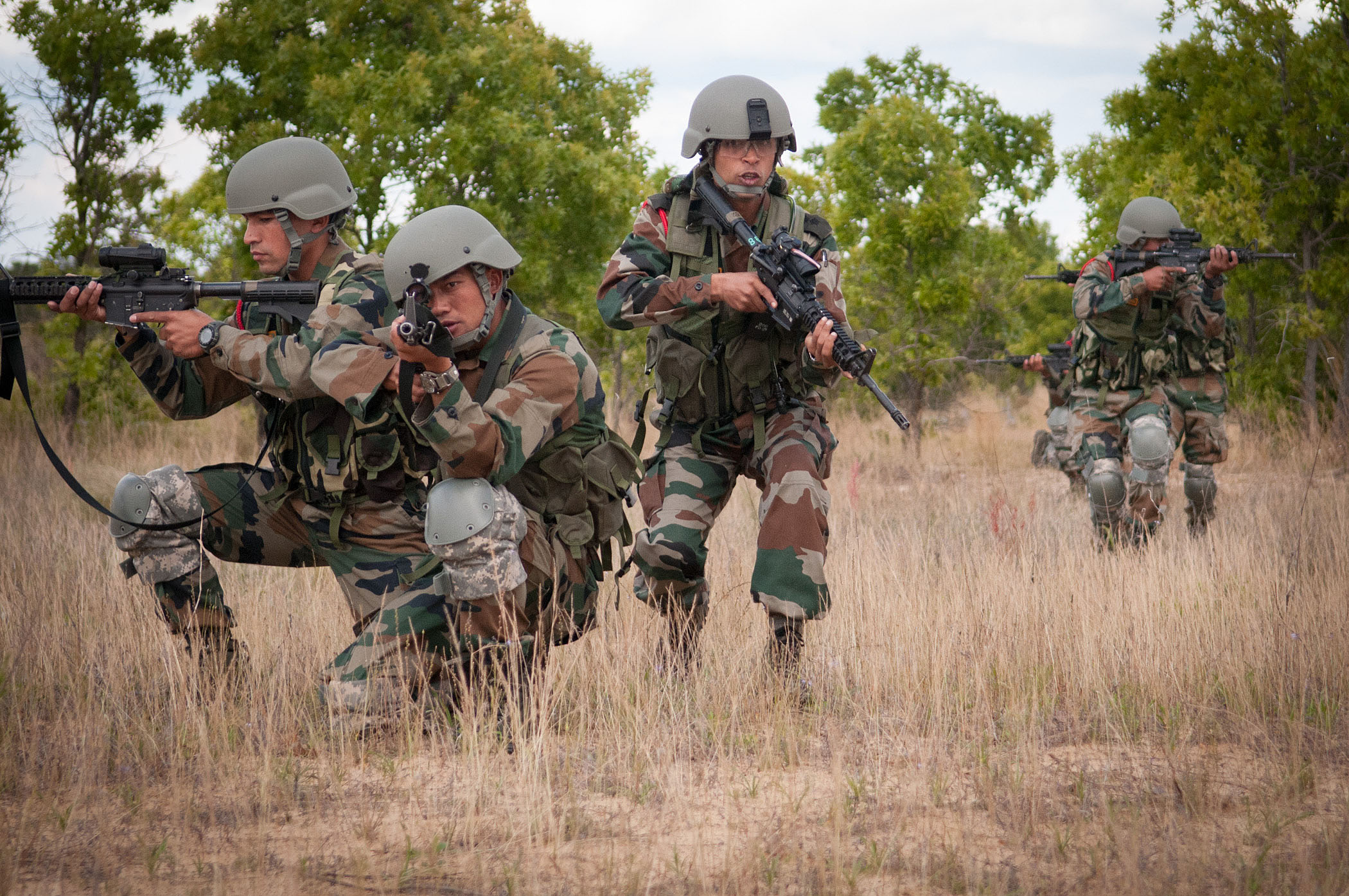
The decision now belongs to politicians, and the politics are not simple. A government that spent Wednesday celebrating a tenure record must decide whether to spend capital on a reform that creates losers inside the services it commands. Every command that disappears is somebody’s headquarters, somebody’s flag, somebody’s career ladder. The air force has long been the most reluctant service, worried that squadrons already stretched thin do not divide neatly three ways. None of that resistance has a press conference. All of it has a telephone.
The reorganisation also fits a wider pattern visible this week in New Delhi, where the security establishment is in an assertive mood. The same apparatus froze Starlink’s final clearances over the conduct of a foreign network in a foreign war, and the government’s foreign policy continues to be organised around strategic autonomy, the insistence that India alone decides what Indian security requires. A military reorganised by threat rather than tradition is that insistence in organisational form.
What the file cannot yet answer is when, or whether, it becomes real. No timetable for the Cabinet Committee on Security has been made public. The hardest allocation questions, which service gives up which command and who answers to whom in the seams between theatres, are exactly the ones reorganisations on paper defer. And the plan’s premise, that the next crisis arrives on two fronts at once, is the one assumption no exercise can fully rehearse.
So the largest military reform in the republic’s history sits where such files sit, between a military that says it cannot wait and a cabinet that has to choose. Lucknow, Jaipur and Thiruvananthapuram are waiting to find out what, exactly, they command.