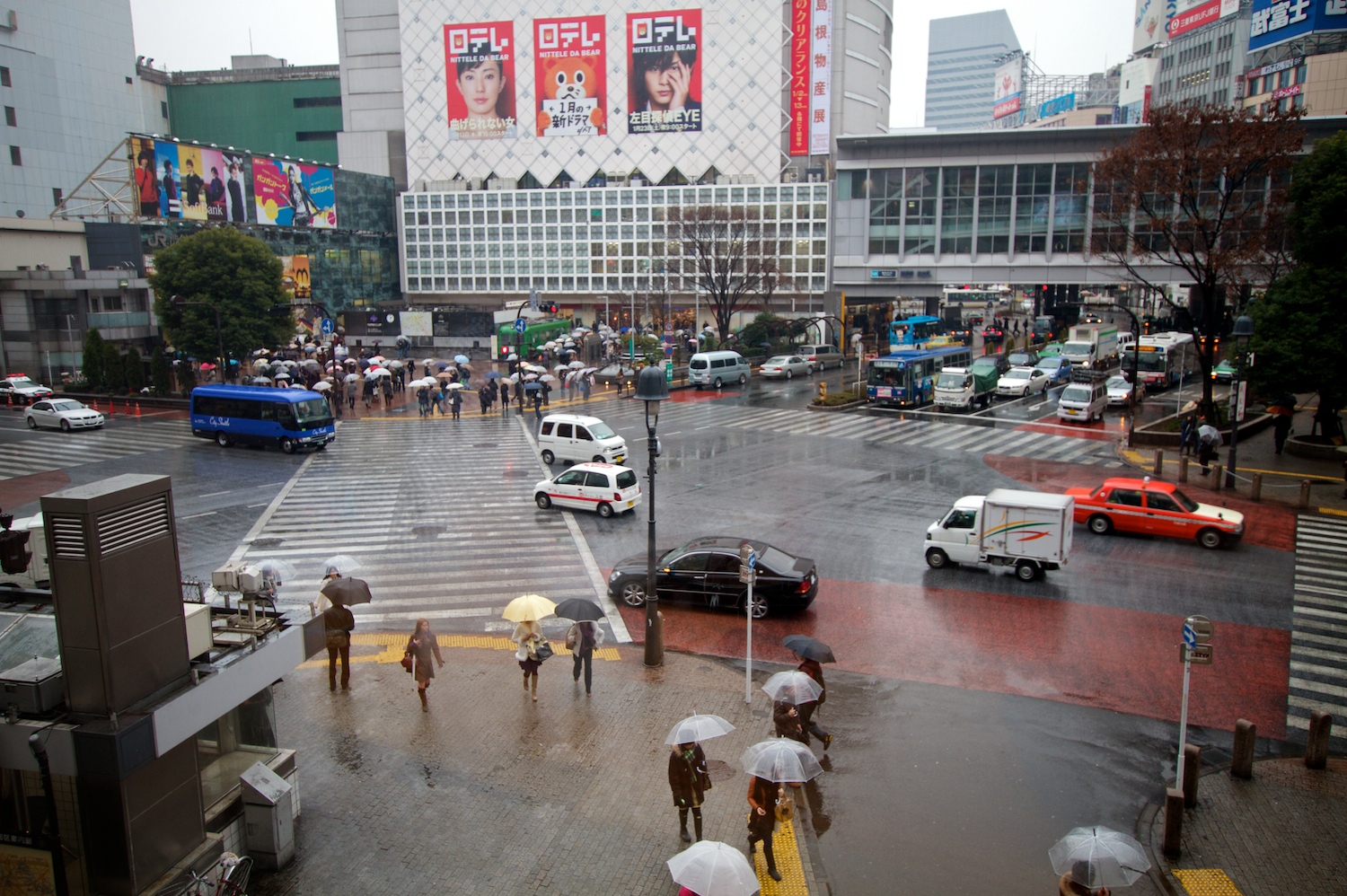

TOKYO — Japan is where Starbucks proved, beginning three decades ago, that it could run its own stores on foreign soil better than any franchisee. It is now asking investment banks what that proof would fetch.
The company has held preliminary discussions with banks about strategic options for its Japanese business, including a sale of a stake or an initial public offering, Bloomberg News reported on Wednesday. A stake sale could value the unit at 400 billion to 500 billion yen, roughly $2.5 billion and up, and could draw industry buyers as well as private equity. The deliberations are at an early stage and no decision has been made, which is the standard disclaimer attached to processes that have already produced bankers.
Japan is not a peripheral market. It was Starbucks’ first outside North America, and it remains one of the company’s largest anywhere, with about 2,100 stores, the overwhelming majority operated directly rather than licensed. That direct ownership is precisely what makes the unit sellable at scale, and precisely what makes selling it a statement.
The statement has a recent precedent. In April, Starbucks completed the sale of 60 percent of its China retail operations to Boyu Capital, a deal Bloomberg valued at $4 billion when it was struck last November. The structure left Starbucks with 40 percent, the brand license and the royalty stream, while Boyu took operational control of roughly 8,000 stores, an arrangement CNBC reported values the total China business above $13 billion. The company described the joint venture as the next chapter of growth. It was also, unmistakably, the end of the chapter in which Starbucks owned its biggest international bet outright.
Do it once and it is a deal. Explore it twice in three months and it is a strategy: convert owned international empires into stakes, licenses and royalty checks, and bring the cash home. Chief executive Brian Niccol is two years into a turnaround of the North American business that has consumed capital and management attention, and minority stakes in Asia throw off money without demanding either. The operator becomes a landlord, which is what most global consumer brands eventually become, usually after insisting they never would.
The buyers’ logic is just as legible. Japanese consumer assets with three decades of brand equity and 2,100 cash-generating locations rarely come to market, private equity in Japan has had its most active stretch in decades, and a listing in Tokyo would arrive in a market that has rewarded exactly this kind of carve-out. Whether at 400 billion yen the asset is cheap or fully priced is a question the early-stage talks exist to answer, and the number, it bears repeating, comes from people familiar with discussions that may produce nothing.
There is a geopolitical undertone to the sequence as well. American corporations have spent two years recalibrating their exposure to Asia as Washington’s economic confrontation with Beijing widens, a climate in which the Pentagon now brands China’s commercial champions military companies. Selling control in China while keeping the royalties was a way to stay without owning the risk. Japan carries none of that political charge, which is what makes a sale there read as finance rather than retreat, and also what makes the timing notable: the company is monetizing its safest market, not its most exposed one.
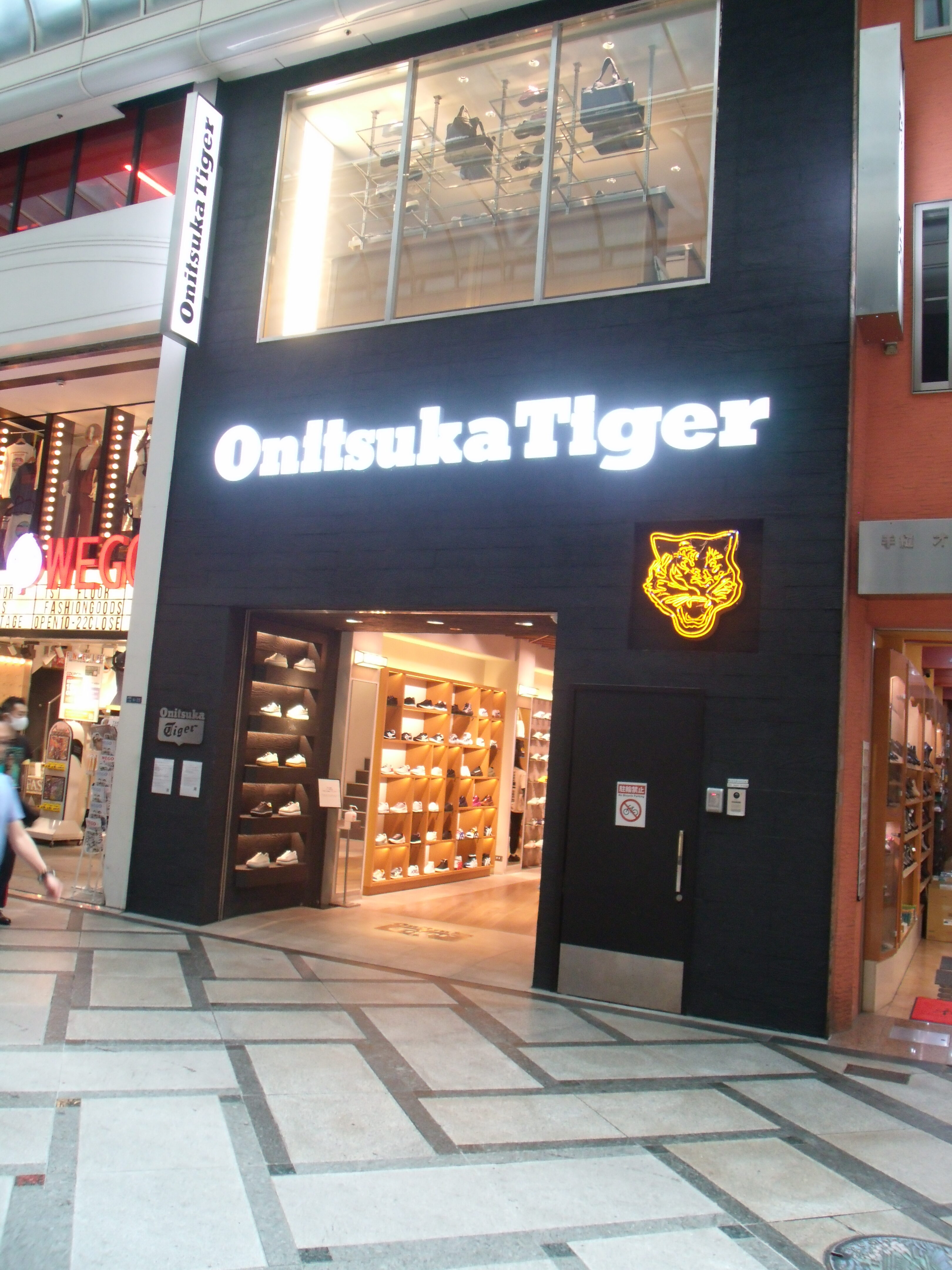
The week’s deal tape gives the move company. GSK paid $10.6 billion for Nuvalent to buy growth it could not grow, and Japanese corporates are running their own unbundlings, with Asics moving to spin off its Onitsuka Tiger sneaker brand on the same morning Starbucks’ deliberations surfaced. Everyone, it seems, is deciding which parts of themselves they actually need to own.
What Starbucks has not said is why now, which is the only question that prices the deal. The company has not commented on the talks, has not indicated whether Japan’s performance prompted the review or merely permitted it, and has not said whether the proceeds would fund the home turnaround, buybacks or something else. Until it does, the most expensive sentence in the story remains the standard one: no final decisions have been made.
Thirty years ago Starbucks went to Tokyo to prove it could own the world. The lesson of 2026 appears to be that owning the world was the part that didn’t pay.