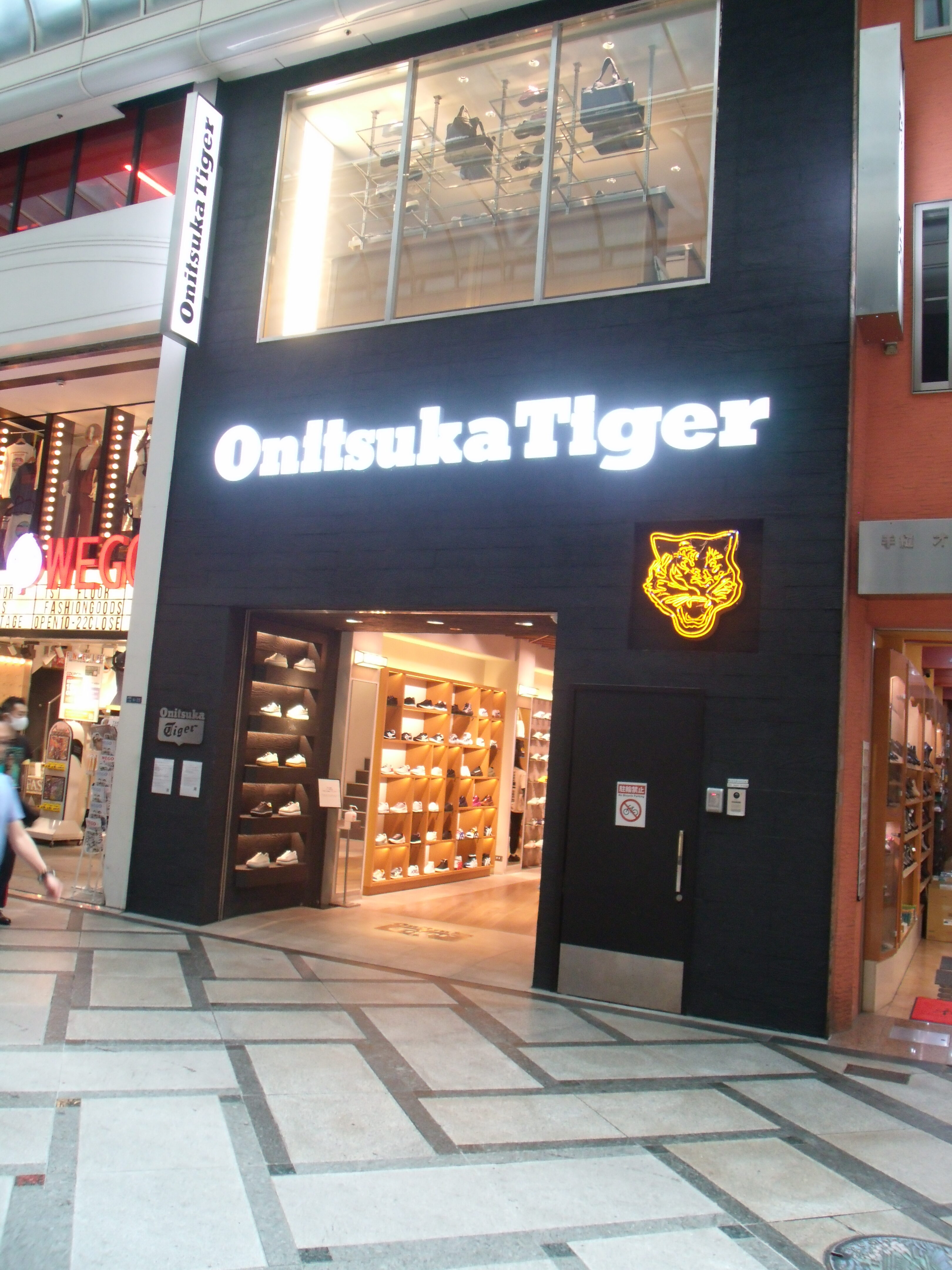

TOKYO — Most corporate separations this week are about retreat. Asics announced one on Wednesday that is about the opposite problem: a brand growing so fast, at margins so fat, that the parent decided the kindest thing was to get out of its way.
The Japanese sportswear maker will spin off Onitsuka Tiger, the nearly 80-year-old fashion sneaker line, into OT Group, a wholly owned subsidiary, through a company split effective January 1, Bloomberg reported, a structure that requires no regulatory approval. Asics framed the move as a way to speed decision-making and sharpen the brand’s global competitiveness. Its shares rose nearly 2 percent in Tokyo against a falling broader market, which is how investors say they suspect a listing comes later.
The numbers explain both the affection and the separation. Onitsuka Tiger’s sales jumped 43 percent last year to 136.5 billion yen, about $851 million, and the brand runs a profit margin near 38 percent, the highest of Asics’ five core businesses and the engine behind four straight years of record group profit. Inside a sportswear conglomerate, a luxury-adjacent fashion label with those economics is simultaneously the best asset and the worst fit: it needs flagship stores and fashion-week calendars while its siblings need wear-testing labs and marathon sponsorships.
The brand’s history gives the split a circularity Japanese business writers will enjoy. Kihachiro Onitsuka founded the company in Kobe in 1949; it merged into what became Asics in 1977, and the Onitsuka Tiger name was revived decades later as a heritage fashion line that conquered exactly the markets, China, Southeast Asia, European fashion retail, where performance running shoes carry no cachet. The tiger stripes that started as basketball-shoe engineering are now the company’s most valuable intellectual property per square centimeter of canvas.
The announcement slots into a striking single day of corporate unbundling with a Japanese center of gravity. Starbucks is weighing a stake sale or IPO for its Japan unit, and Australia’s Sigma Healthcare confirmed talks to buy Britain’s Boots out of its private equity wrapper. The difference is the direction of travel: those owners are monetizing maturity, while Asics is isolating velocity. Same scalpel, different surgery.

What Asics did not announce is the part the 2 percent share rise quietly priced. A wholly owned subsidiary changes reporting lines, not ownership, and on its own does little that a divisional reorganization could not. The structure becomes meaningful as a staging position, for a partial listing of OT Group in Tokyo, a stake sale to a luxury group, or simply the optionality of a currency that can be valued like the fashion business it is rather than the sporting-goods multiple it is trapped inside. Asics said none of this, and the company split it described requires it to say none of it.
The risks are the ones every heritage-fashion separation carries. Onitsuka Tiger’s 43 percent growth is a fashion-cycle number, and fashion cycles end without filing notice. A standalone OT Group enjoys faster decisions and bears full exposure to the moment the stripes stop being the sneaker of the season. The parent keeps the steadier running business, and the tiger keeps the tail risk that comes with being beloved.
For now the change is dated, structural and modest on paper: one brand, one subsidiary, January 1. What it sets up is the question Asics declined to answer on Wednesday, and the market answered for it with a 2 percent nudge. Companies do not put their fastest animal in a separate cage to keep it.