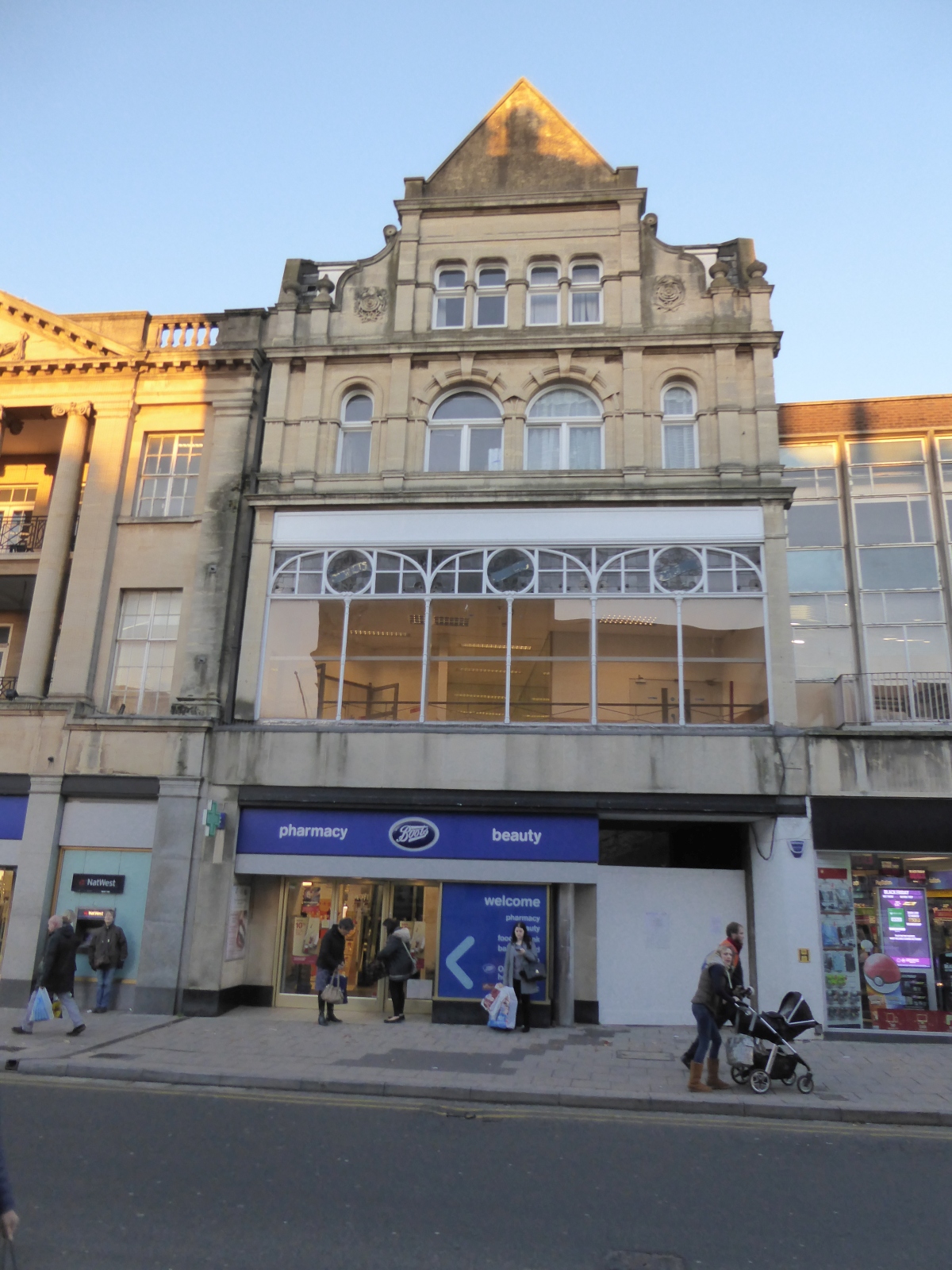

LONDON — Boots has anchored the British high street since 1849, survived two world wars and a dozen owners, and spent the past year as the carve-out a private equity firm was always going to sell. The newest would-be buyer runs Australia’s discount chemist empire, and its own shareholders marked the idea down on sight.
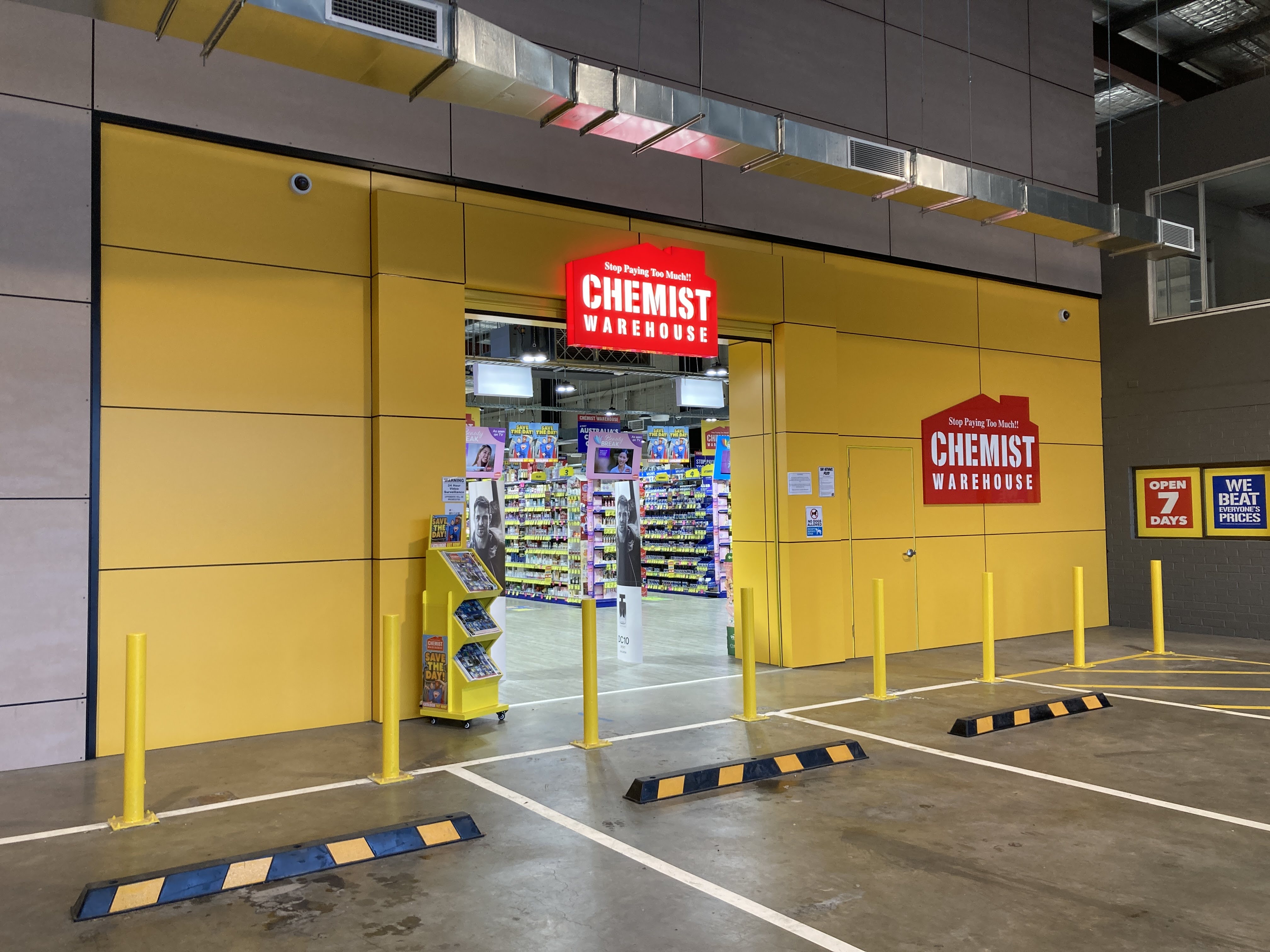
Sigma Healthcare, the Australian company behind Chemist Warehouse, confirmed on Wednesday that it has held preliminary discussions to acquire Boots, Bloomberg reported, in a transaction local reports put around 14 billion Australian dollars, roughly $10 billion. Sigma’s confirmation to the exchange carried the standard caution that talks are early and no transaction is certain. Its shares slipped about 4 percent anyway, the market’s customary reaction to an acquirer announcing appetite before terms.
The asset in question is roughly 1,800 stores across the United Kingdom and Ireland, the pharmacy chain that Sycamore Partners inherited when it took Walgreens Boots Alliance private last year and began shopping the British business to strategic buyers before Easter. A sale to Sigma would also reportedly end the alternative plan, a London listing of Boots, converting a once-public institution’s homecoming IPO into another private handover.
Sigma is not bidding unopposed. Canada’s Weston family, the billionaire retail dynasty behind Loblaw and a long history of British holdings, is among the rival suitors circling the chain. An auction between an Australian discounter and a Canadian dynasty for the most British of brands is the kind of outcome globalized retail produces routinely now, and the kind the brand’s customers tend to discover only when the store signage changes.
For Sigma the logic is scale and formula. Chemist Warehouse built its dominance on warehouse-style discount pharmacy, a model that gutted traditional chemists in Australia, and Boots hands it a developed market of 1,800 locations to apply the playbook. The risk is equally legible: Boots’ real estate is high-street and expensive, its brand equity is premium rather than discount, and integrating a British institution from Melbourne is the sort of project that has humbled larger acquirers. The 4 percent share slide prices exactly that doubt.
The deal would extend a pattern running through the week’s corporate news, in which legacy owners keep deciding which parts of themselves they actually need to keep. Starbucks is weighing a stake sale or IPO for its Japan business two months after ceding control in China, and Britain’s GSK paid $10.6 billion for a US cancer drugmaker to buy the growth its own labs could not supply. Assets move toward whoever values them most at the moment, and sentiment is not a line item.
What the confirmations do not contain is everything that decides the outcome: the price Sycamore will accept, the financing Sigma can raise for a target bigger than itself, what the Westons are prepared to pay, and whether UK regulators see competition issues in any of it. Boots’ 50,000-plus employees, whose chain has now been sold, carved out and shopped within twenty-four months, learn their next owner the way everyone else does, from announcements written by lawyers.
A hundred and seventy-seven years ago John Boot opened a herbalist shop in Nottingham so workers could afford remedies. The chain that grew from it is now a line in three private equity models and one family office spreadsheet. Whoever wins, the high street’s oldest chemist will belong, for the third time in two years, to someone who has never walked into one needing anything.