
KUALA LUMPUR — In the same week that missiles crossed the strait carrying much of Asia’s alternative gas supply, Japan’s biggest power producer signed up for twenty more years of the supply that does not pass through it.
Petronas and JERA signed a new long-term LNG agreement on Wednesday covering up to roughly 2 million tonnes per annum for 20 years from 2028, running the arrangement to 2048, the Malaysian state energy company said. Datuk Adif Zulkifli, who runs Petronas’ gas and maritime business, said the company values the partnership built with JERA over the decades, underpinned by mutual trust and a shared focus on reliability. The relationship is older than most of the executives signing it: Malaysia’s first LNG cargo to Japan sailed in 1983.
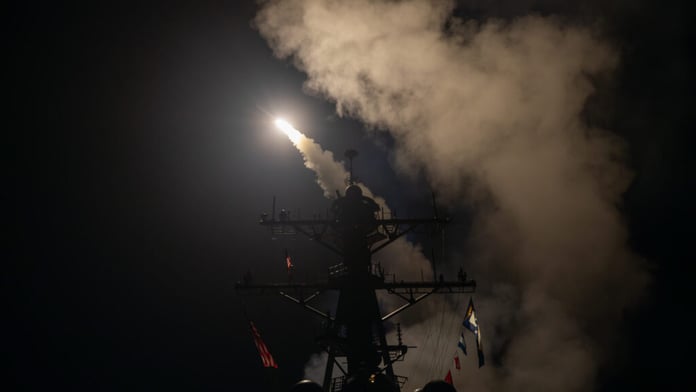
The deal’s terms are conventional. Its timing is not. The signing lands in a week when the United States struck Iranian air defenses around the Strait of Hormuz and Tehran answered with missiles across the Gulf, the exchange that erased oil’s seven-week low in a single evening. Hormuz is the artery for Qatari LNG, the other pillar of Japanese supply, and every flare-up around it reprices the value of cargoes that load in Bintulu instead of Ras Laffan.
Tokyo has spent the spring buying insurance in contract years. Earlier this season QatarEnergy signed a 20-year supply agreement with Petronas and a 27-year arrangement with JERA itself, deals struck at the LNG2026 conference in Doha. Add Wednesday’s signature and a pattern is unmistakable: the region’s biggest buyers are converting spot-market anxiety into decades of fixed commitments, from every supplier whose geography they trust.
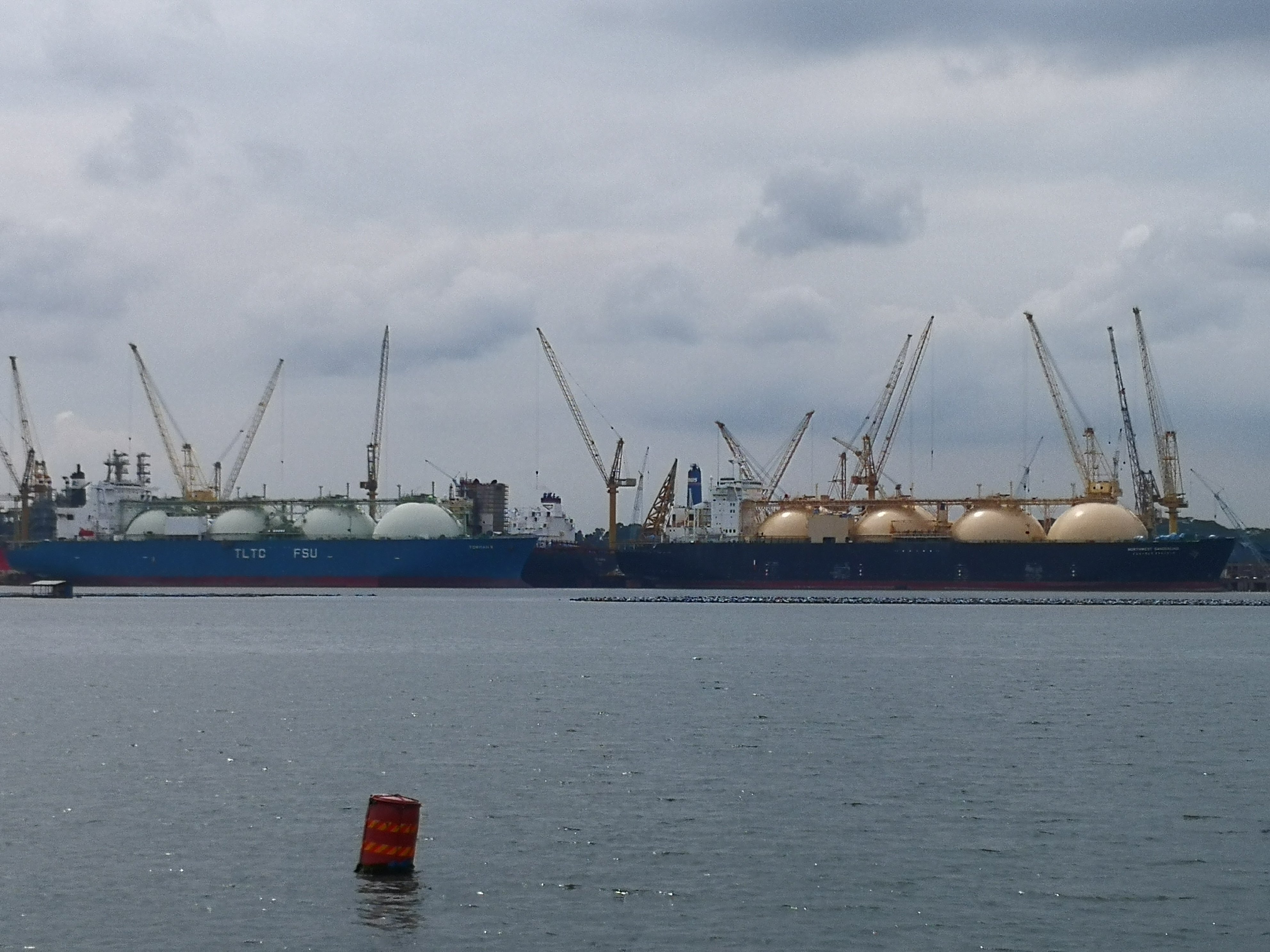
The agreement also reflects how the trade itself is changing. Petronas framed the deal as a move from traditional point-to-point supply toward more flexible arrangements, carried on a new generation of 174,000-cubic-meter carriers built to International Maritime Organization emissions standards. JERA, for its part, slots the deal into Japan’s seventh Strategic Energy Plan, the policy that asks the impossible of the country’s utilities: stable supply, economic efficiency and decarbonization at once.
That last word is the quiet tension inside a contract that runs to 2048. Japan has pledged carbon neutrality by 2050, which means its flagship power producer has now committed to importing fossil gas until two years before the deadline. The industry’s answer is that LNG is the transition fuel that retires coal, and that flexible volumes can taper. The arithmetic of a 20-year take is less poetic: the molecules are expected to burn.
For Malaysia, the deal is ballast. Petronas funds a large share of the federal budget, and the LNG complex at Bintulu remains among the country’s most valuable industrial assets at a moment when new Atlantic suppliers are signing their own long-term deals into Europe and Asia. Locking the anchor customer through 2048 defends market share against every liquefaction train now under construction from British Columbia to Qatar’s North Field.
What neither company disclosed is the part that decides who won the negotiation: the pricing formula, the oil-linkage slope, and which specific projects supply the volumes. Long-term LNG contracts live and die on indexation details that surface only years later, in earnings calls and arbitration filings. Nor did either side say how the flexible volumes flex, which is where the real option value hides.
Forty-three years ago a tanker left Borneo for Japan and started one of the longest supply relationships in the energy trade. This week’s signature extends it past the careers of everyone in the room, into a decade Japan has promised will be nearly carbon-free. The contract says 2048. The geography, this week of all weeks, is the reason nobody blinked at the length.
Related Posts