
WASHINGTON — The night the bombs fell on Iranian radar stations near the Strait of Hormuz, the President of the United States turned to a television show for validation. Not a press conference. Not a nationally televised address. A clip from The West Wing, posted to Truth Social, in which a fictional commander-in-chief contemplates the virtue of hitting back.
The episode in question is called “A Proportional Response.” It aired in the fall of 1999. The show’s creator, Aaron Sorkin, has called Donald Trump “a thoroughly incompetent pig with dangerous ideas.” What Trump chose to share was a fragment — and the fragment, stripped of its resolution, makes the opposite argument from the one Sorkin spent the episode building.
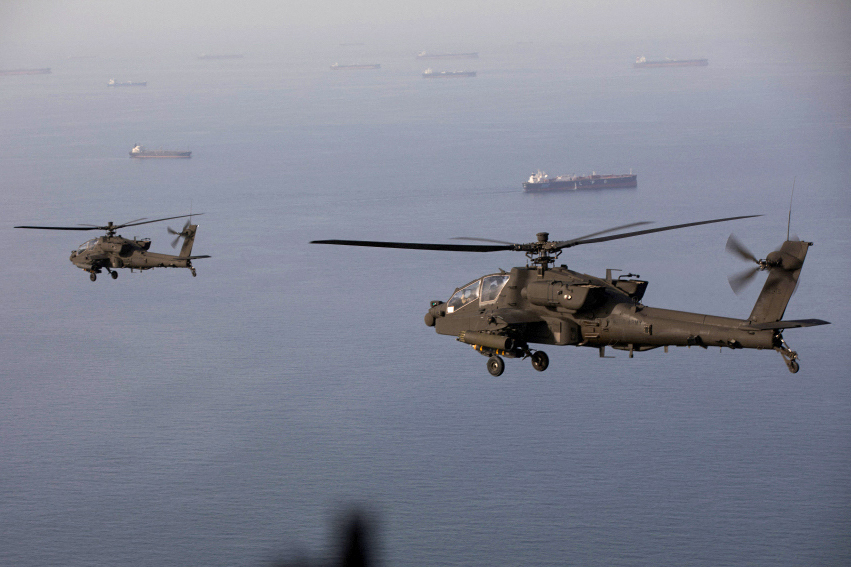
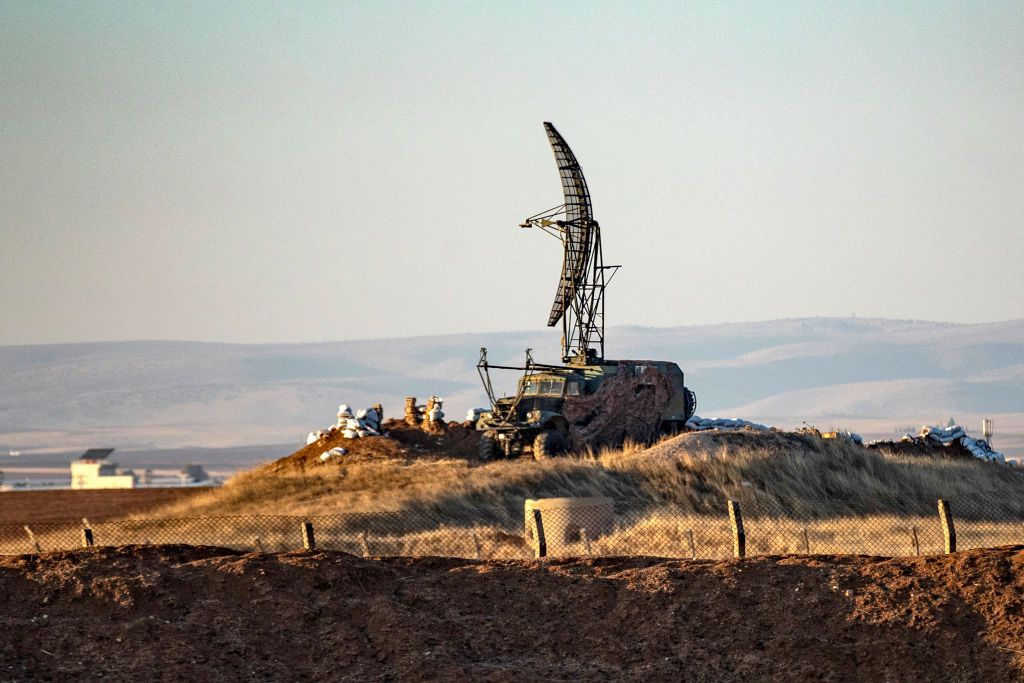
U.S. Central Command confirmed late Tuesday that American fighter jets had struck Iranian air defense installations, ground control stations, and surveillance radar sites near the Strait of Hormuz. The strikes, CENTCOM said in a statement posted to X, were “a proportional response to unjustified Iranian aggression” following the downing of a U.S. Army Apache helicopter on Monday. Both crew members were rescued safely. Shortly after the CENTCOM statement went public, Trump posted the West Wing clip without comment. The imagery was meant to speak for itself.
It did — but not quite the way he intended.
In the scene Trump shared, fictional President Jed Bartlet, played by Martin Sheen, pushes back against his advisers’ recommendation of a measured strike. “A disproportional response,” Bartlet says, his voice rising. “Let the word ring forth from this time and this place, you kill an American, any American, we don’t come back with a proportional response, we come back with total disaster!” Out of context, it reads as a rallying cry. In context, it is a setup for a rebuke.
Later in the same episode, Bartlet’s chief of staff, Leo McGarry, takes the president apart. Ratcheting up the body count, McGarry tells him, will not deter adversaries who already live under the threat of execution. “If you want to start using American military strength as the arm of the Lord,” McGarry continues, “you can do that. We’re the only superpower left.” The speech is a warning about the seduction of overwhelming force, not an endorsement of it. The episode ends with Bartlet accepting the proportional strike he spent forty minutes raging against. The lesson is not that the U.S. should hit harder. It is that restraint is what distinguishes a superpower from a bully.
Sorkin designed that conclusion deliberately. A lifelong supporter of the Democratic Party, he has spent years publicly criticizing Trump, including in a 2016 letter to his wife and daughter in which he called Trump’s election a “horrible” moment for the country. Reaching out for comment from the White House on why the president chose a scene written by his most prominent Hollywood critic to explain a military decision yielded no response by publication time.
The timing of the post carried its own contradictions. Less than 24 hours before the Apache went down over the Strait of Hormuz, Trump had told a reporter — standing outside an NBA Finals game — that a peace deal with Iran was “two or three days” away. “We should be able to do it in one hour, if you want to know the truth,” he said. By Tuesday evening, he was citing television drama to explain why he had ordered strikes on a country he had just described as almost ready to make a deal.
That whiplash has become a feature of the conflict, which began in earnest last June when the United States joined Israel in targeting Iranian military infrastructure. A two-month ceasefire followed joint negotiations in Pakistan that collapsed without agreement. Trump extended the ceasefire unilaterally and ordered a naval blockade of Iranian waters, framing both moves as leverage. Iran downed the Apache while that blockade remained in effect.
The Financial Times described Tuesday’s exchange of fire as the biggest flare-up between the warring parties since they agreed to a ceasefire two months ago. Iranian Foreign Ministry spokesperson Esmail Baghaei told reporters Wednesday that Tehran would need to reassess negotiations following the latest strikes. It was not clear whether that reassessment meant a return to talks or an escalation of its own.
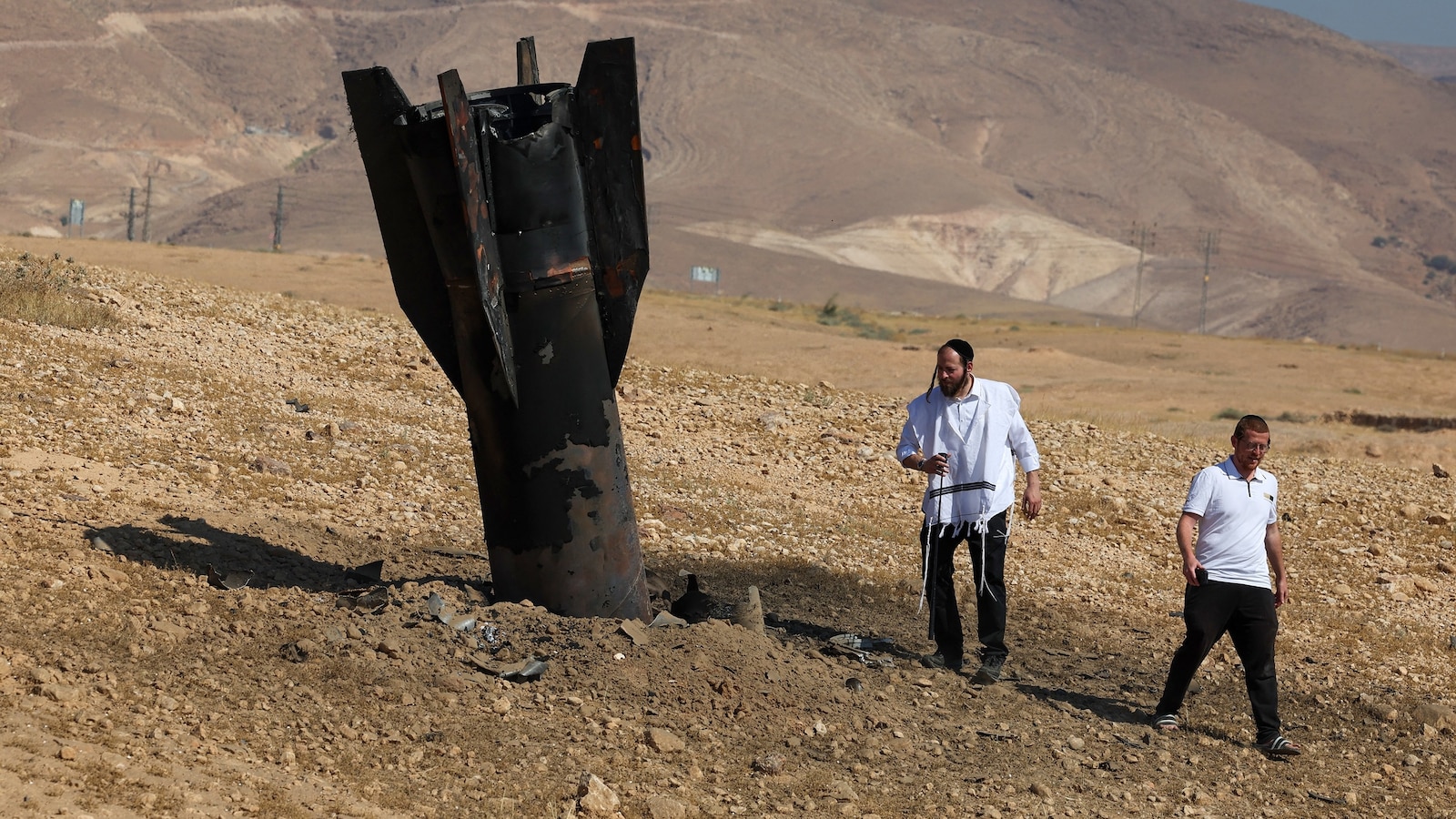
What is clear is that Bahrain and Kuwait both announced Wednesday morning that their air defenses had intercepted Iranian missiles and drones. ABC News reported that Iranian state television said U.S. missiles had also struck water tanks in Sirik, in the Hormozgan Province on the coastline of the Strait — infrastructure with no connection to air defense. CENTCOM had not commented on that report by the time this article went to publication.
Defining the boundary of a “proportional response” has always been more art than science. In the West Wing episode, the debate over what counts as proportional serves as the dramatic engine of the whole hour. The advisers argue that a measured strike is the responsible exercise of American power. Bartlet’s instinct is that it isn’t enough. McGarry’s counterargument is that “enough” is a dangerous standard for the most powerful military on earth to pursue. The word proportional, in Sorkin’s telling, is not a ceiling on what America can do. It is a description of what a serious nation chooses to do.
Trump’s use of that language — CENTCOM’s statement and his Truth Social post both deployed the phrase “proportional response” within minutes of each other — suggests an administration reaching for a justification that sounds both firm and restrained. The West Wing clip was presumably meant to reinforce that framing. Whether Sorkin’s fictional Bartlet, who ultimately chose restraint, would recognize himself in that usage is a question the White House did not address. Whether the episode’s conclusion, which argues against the logic driving Tuesday’s strikes, entered Trump’s calculation is not known.
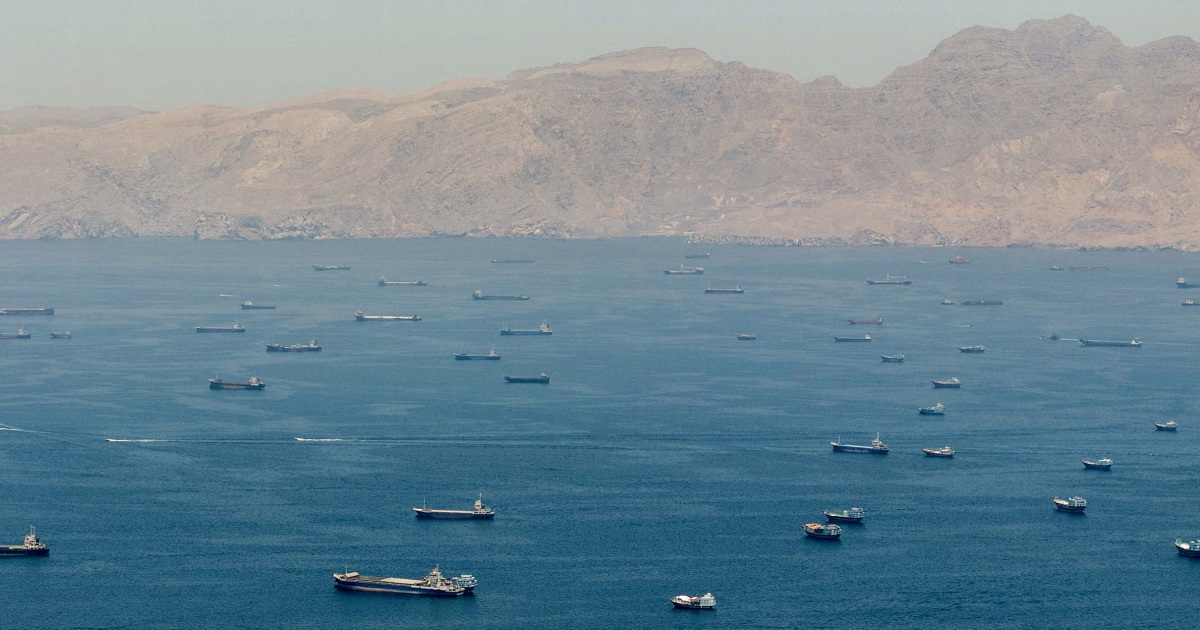
Iran’s threat posture toward the United States has escalated repeatedly since the February strikes even as both governments described themselves as working toward a deal. The Strait of Hormuz remains a pressure point: NBC News reported that Trump himself warned Monday that a prolonged bombing campaign would keep the waterway closed for months and drive up casualties. He said he did not want that. By Tuesday, he had authorized a strike within hours of making that statement, and by Tuesday night, he was explaining himself with a 25-year-old TV show whose entire argument runs in the other direction.
Bartlet, at least, had his chief of staff to push back. Whether anyone in the current Situation Room is playing that role is not something a West Wing clip can answer.