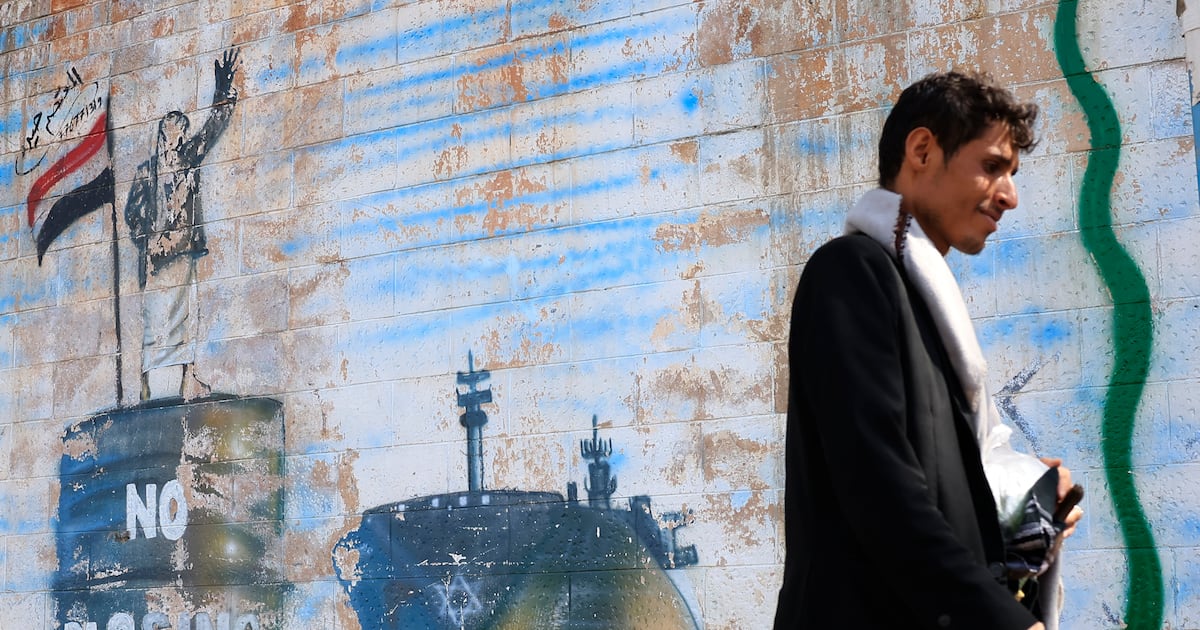

ED DAMAZIN — Twice in the span of a week, Sudanese army drones have hit rebel-held positions inside Kurmuk, the strategic border town in the southeastern Blue Nile region that an alliance of the Rapid Support Forces and the Sudan People’s Liberation Movement-North has controlled since late March. The strikes are the most concentrated aerial campaign the Sudanese Armed Forces have mounted against the town since losing it, and they arrive at a moment when the war’s southeastern front has become inseparable from a rupturing diplomatic relationship between Khartoum and Addis Ababa.
What is unfolding around Kurmuk is no longer simply a military contest over a town of 30,000 near the Ethiopian border. It is the point where Sudan’s civil war — now in its fourth year — and a cascading confrontation between two neighboring governments are converging in ways that neither country has fully reckoned with publicly.
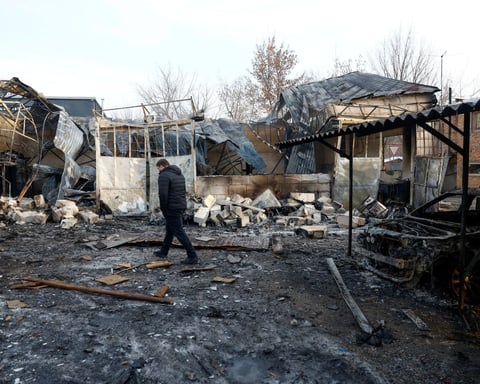
Sudan Tribune reported on June 9 that an army source confirmed the Kurmuk drone strikes had destroyed combat vehicles belonging to the RSF and SPLM-N alliance, describing battles raging simultaneously on the southern, western, and northern outskirts of the town. The strikes follow a sequence of ground gains the Sudanese Armed Forces announced in late May: the recapture of Al-Barka on May 24, and the retaking of five areas in the Qaysan locality to Kurmuk’s north two days later, pushing rebel-aligned forces back toward the Ethiopian frontier.
The geography matters. Qaysan lies directly along the border with Ethiopia’s Benishangul-Gumuz region — the same corridor through which Sudanese officials claim the RSF and SPLM-N have been supplied, reinforced, and, in Khartoum’s most explosive allegation, given access to runways and basing. Sudan’s army-backed government said in May that it held evidence proving Ethiopia allocated airstrips at Bahir Dar airport for drone attacks against civilian targets in Khartoum, Al-Gezira, White Nile, and North Kordofan. Ethiopia has denied every element of that account.
The denial has not slowed the accusations. When a Bayraktar Akinci-type drone was intercepted approximately 75 kilometers from Ed Damazin on May 23 — a drone traceable to Turkish manufacture and associated in recent conflict reporting with UAE supply lines — Sudan’s government recalled its ambassador from Addis Ababa for consultations and threatened what it described as an internationally guaranteed right of retaliation. The bilateral relationship, which a 2024 meeting between Prime Minister Abiy Ahmed and General Abdel Fattah al-Burhan had briefly stabilized, has not recovered.
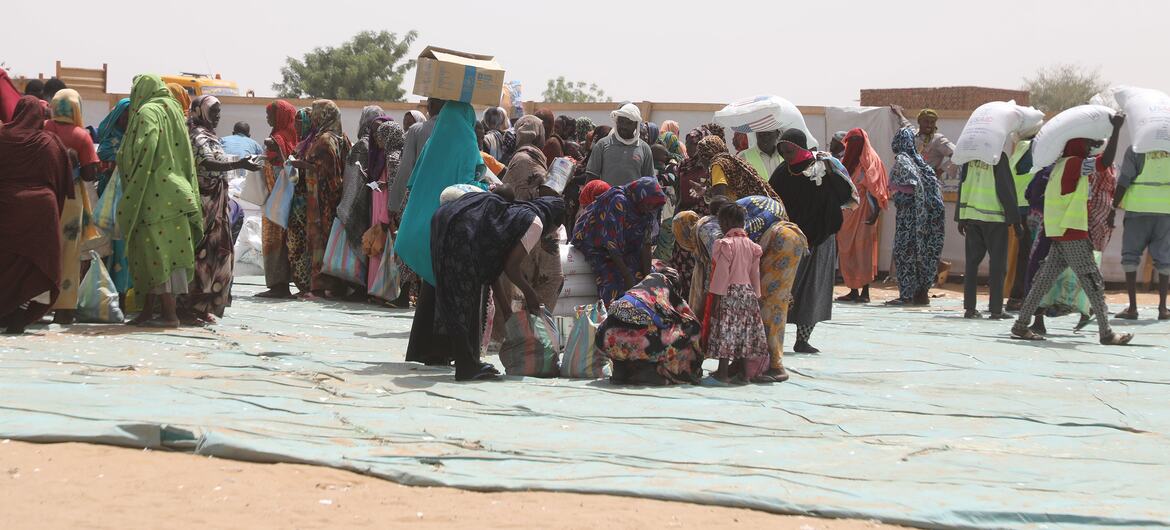
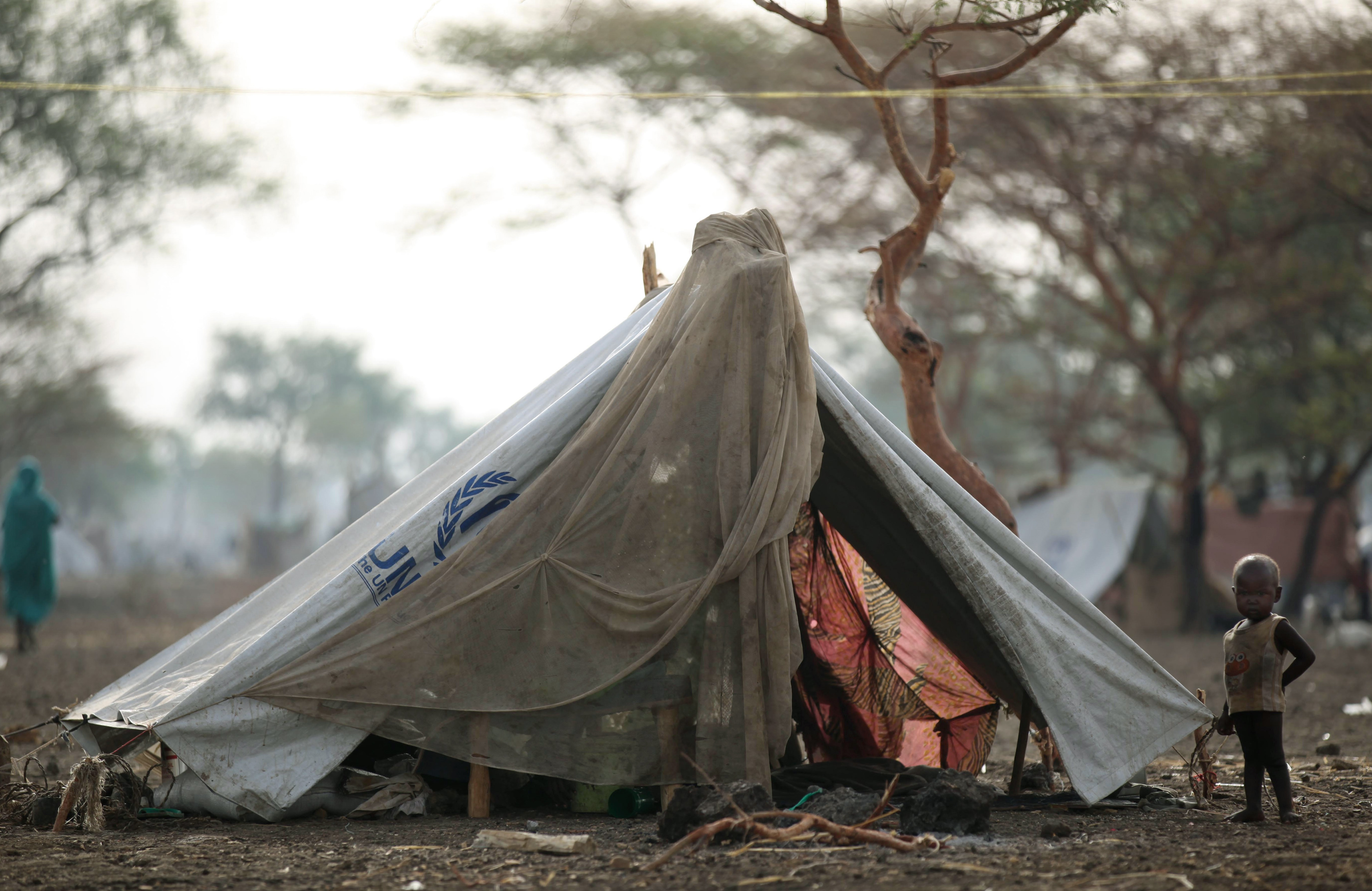
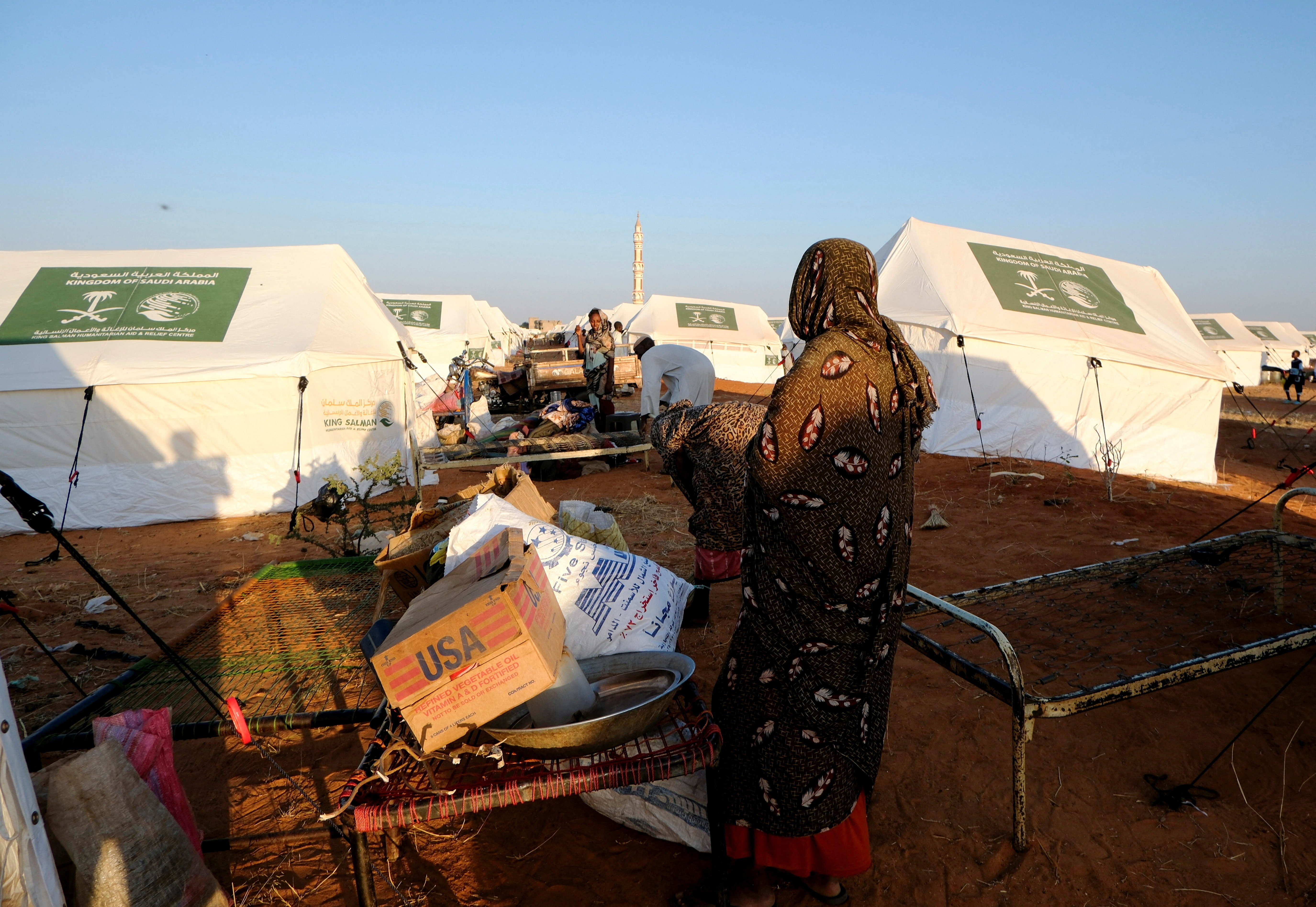
On the ground, the picture is simultaneously clearer and more complicated. Kurmuk fell to the RSF-SPLM-N alliance on March 24 after the rebel group pushed through Deim Mansour, 17 kilometers to the south, in early February. When Kurmuk’s commissioner, Abdel Ati al-Faki, warned before that offensive that hundreds of families were fleeing toward Ed Damazin, he described a combination of RSF paramilitary fighters and SPLM-N forces loyal to commander Joseph Touka attacking residential neighborhoods and a local flour mill. By the time the town fell, nearly 2,200 displaced people had arrived in the regional capital, according to figures compiled by Sudan Tribune over the course of that week.
The Sudanese Armed Forces have not confirmed whether the drone campaign has altered the balance of forces inside Kurmuk itself. What the army has said is that the Fourth Infantry Division has been leading operations across multiple outskirts simultaneously, a pattern consistent with an encirclement strategy rather than a single-axis assault. The UN Security Council’s June 2026 Sudan forecast, published on June 1 by the Security Council Report, described the Blue Nile security situation as volatile, with clashes in Kurmuk, Geissan, and Bau localities ongoing, and characterized the broader conflict as increasingly resembling a war of attrition.
That framing captures something the military communiqués from both sides do not. Sudan’s civil war has killed more than 150,000 people, driven approximately 13 million from their homes, and produced what the UN has called the world’s largest displacement crisis. The Blue Nile front is a secondary theater by casualty count, but its strategic weight is disproportionate: control of the southeastern corridor determines whether the RSF — which already holds most of Darfur following the fall of El Fasher — can open a supply line through Ethiopian territory into the country’s center. The Security Council’s June forecast noted that losing Blue Nile could hand the paramilitary a gateway toward central Sudan.
Against that backdrop, the drone campaign around Kurmuk serves two audiences at once. Militarily, it is an effort to degrade RSF-SPLM-N defenses ahead of a ground operation that army statements have telegraphed without confirming. Diplomatically, it is a signal to Addis Ababa: Khartoum is willing to sustain and escalate aerial operations along the Ethiopian border corridor regardless of the diplomatic fallout. Whether that signal reaches Addis Ababa as a warning or as provocation is a question the two governments have not resolved. Ethiopia has not responded publicly to this week’s strikes.
What the army cannot yet answer is the question of what happens after Kurmuk, if the town is retaken. The RSF and SPLM-N alliance has demonstrated in Darfur and again in Blue Nile a capacity to absorb setbacks and reconstitute. The Sudan Shield Forces, which joined SAF operations in the region in April, add domestic military depth but do not resolve the external dimension: as long as the border with Ethiopia remains porous and contested, any recapture of Kurmuk will be conditional.
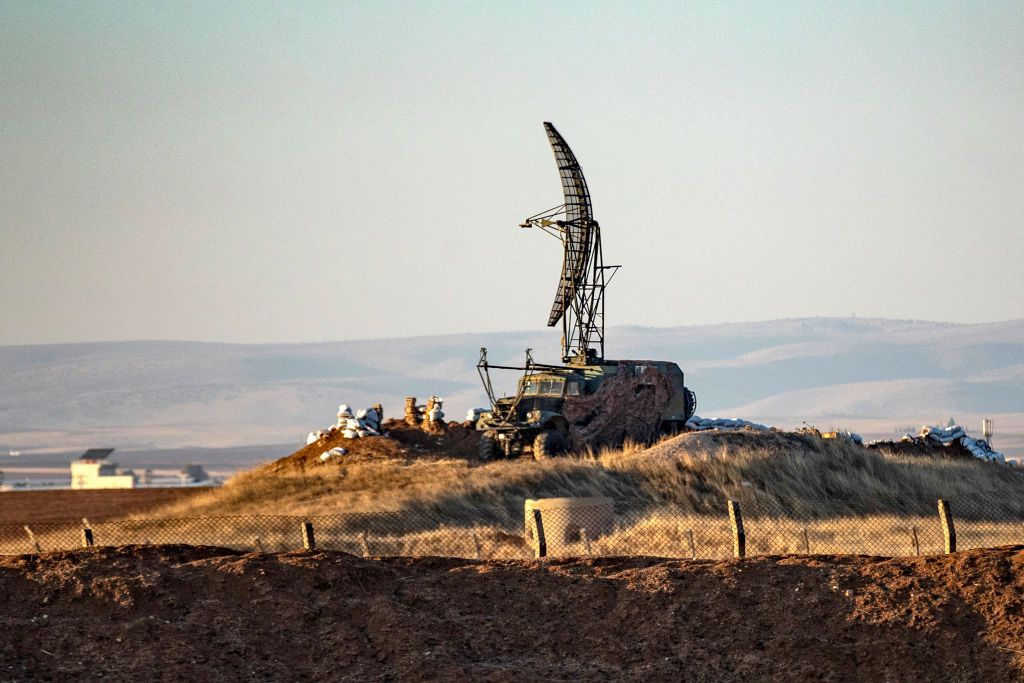
On the northern front, the drone war is running in both directions. On the same day army sources confirmed the Kurmuk strikes, Sudan Tribune reported that RSF drones attempted to reach military sites northwest of Omdurman and in the East Nile area of the capital. Army air defence intercepted them. No casualties were reported. The symmetry is not coincidental: both sides have built aerial campaigns to compensate for strategic vulnerabilities on the ground, and the result is a conflict in which the front lines are no longer fixed to any geography. The United Nations has repeatedly warned of war crimes as drone strikes on civilian infrastructure multiplied across the country.
According to the Armed Conflict Location and Event Data Project, drone strikes attributed to the RSF have killed more than 780 people since the war began in April 2023, while SAF drone attacks have killed more than 1,800. Those figures, ACLED analysts have noted, reflect not precision but the limits of aerial weapons deployed over populated territory — a pattern both sides have sustained across four years without accountability. The people of Kurmuk, most of whom have already fled, are not certain which set of drones is more dangerous to them. In the broader collapse documented since March, the arithmetic of the drone war has been measured not in military objectives but in the people who can no longer go home.