
BRUSSELS — The same Wednesday that Russia’s foreign minister accused NATO of spending years trying to impose its security vision on the Eurasian continent, the United States ambassador to the alliance went on American television to offer an assurance that Moscow has consistently dismissed: the alliance has no desire to threaten anyone.
“NATO and our allies are merely a defensive alliance,” Matthew Whitaker told Fox Business on Wednesday. “We have no intention to be threatening in any manner or way to Russia, but we are going to defend every inch of NATO territory.”
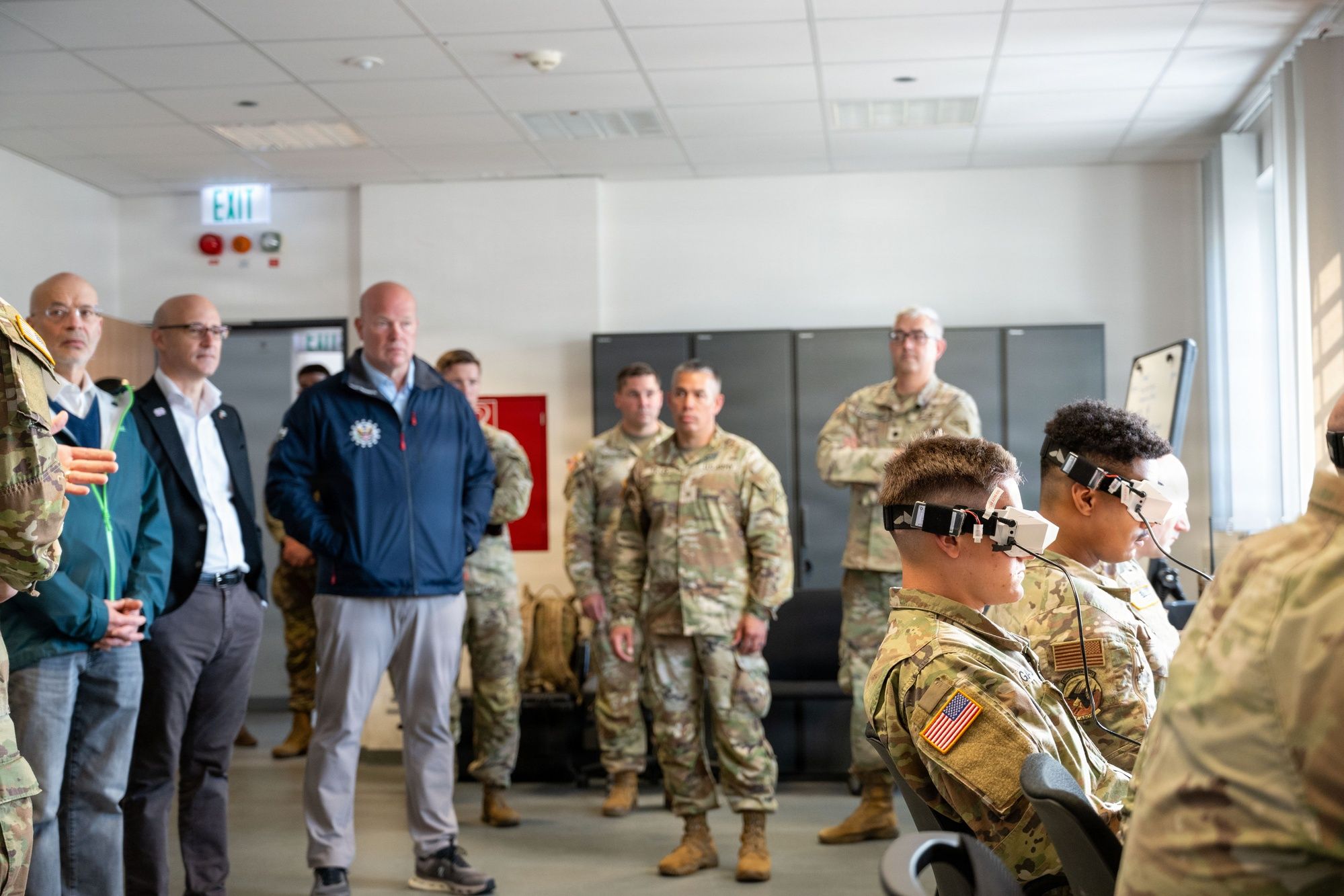
The statement was prompted by questions about the alliance’s military exercises, which Whitaker described as year-round and routine. Russia, he said, already understands the drills are meant to demonstrate capability, not project menace. That framing — exercises as transparency rather than provocation — is one NATO has rehearsed for decades. Moscow has systematically declined to accept it.
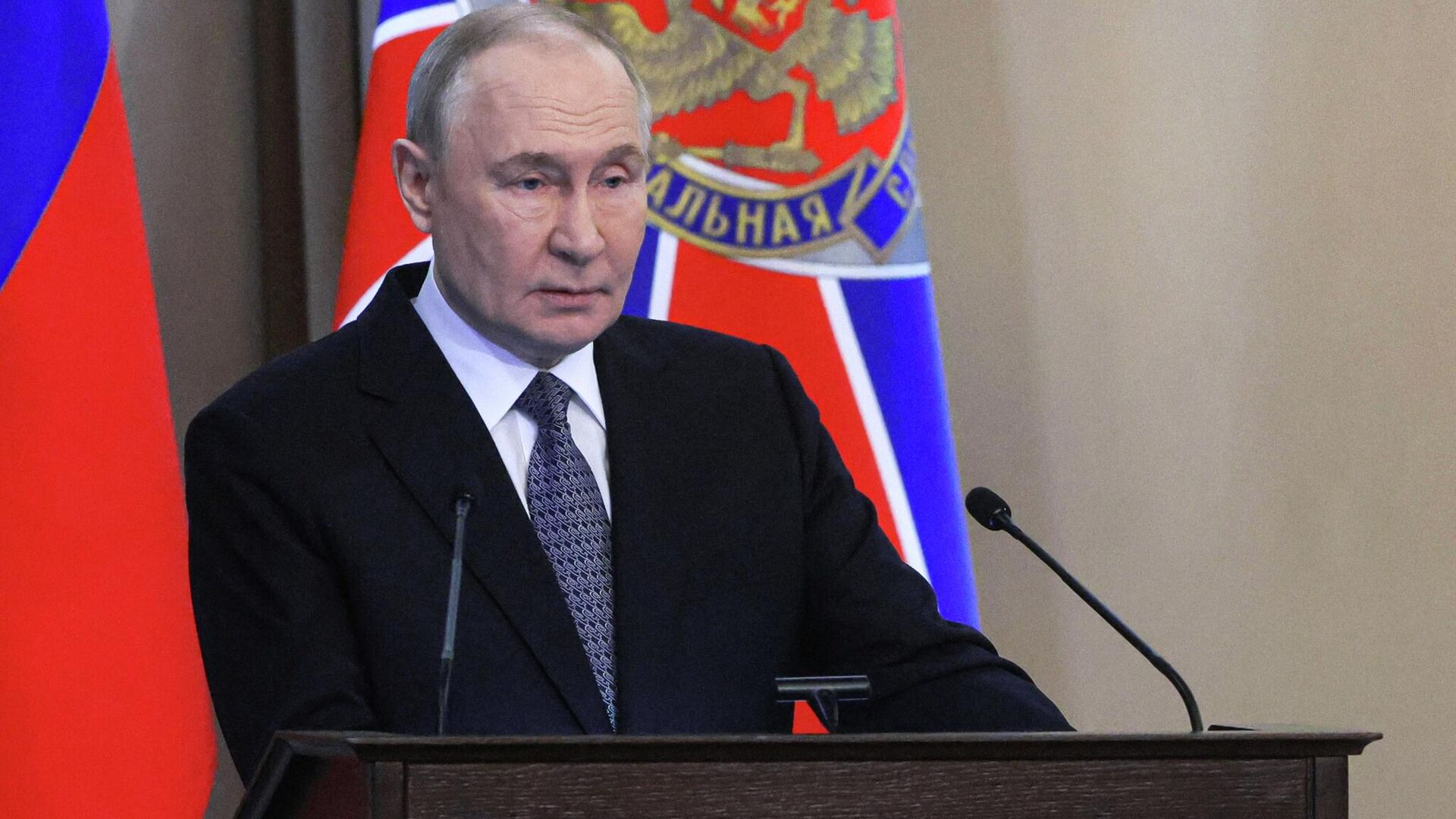
Sergey Lavrov offered the Russian counter-narrative in its most formal register earlier Wednesday. NATO had spent years trying to impose on Eurasia its own rules and its own vision of how security in the region should be ensured, the foreign minister said. The accusation is not new from Moscow. What is notable is the occasion: Lavrov delivered it at hearings in Perm convened in support of President Vladimir Putin’s initiative to create what Russia calls an alternative security architecture for the Eurasian continent — a framework designed, explicitly, to route around NATO.
The competing statements illuminate why the war in Ukraine has not produced the diplomatic convergence that both sides occasionally gesture toward. NATO insists it is a defensive institution that cannot, by design, pose a threat to any state outside its membership. Russia insists the alliance’s expansion and its sustained military buildup on Russia’s western flank constitute a security imposition regardless of stated intent. Neither side disputes the facts of NATO’s growth. The dispute is over what growth means.
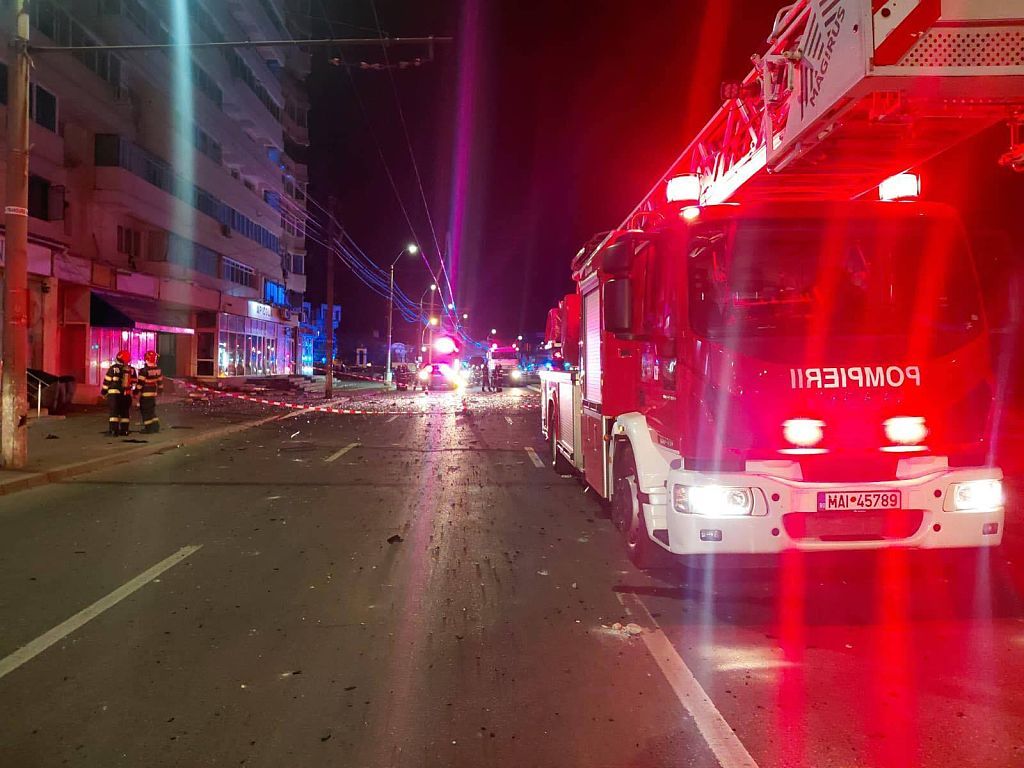
That argument acquired new texture two weeks ago when a Russian Shahed-type drone crashed into a residential building in Galați, a Romanian city sitting six miles from the Ukrainian border, injuring two civilians. NATO leaders, including Whitaker, condemned what they called a reckless incursion and reaffirmed the alliance’s Article 5 guarantee. Whitaker used the same phrase on Wednesday that he had posted to social media the morning after the Galați strike: “We will defend every inch of NATO territory.”
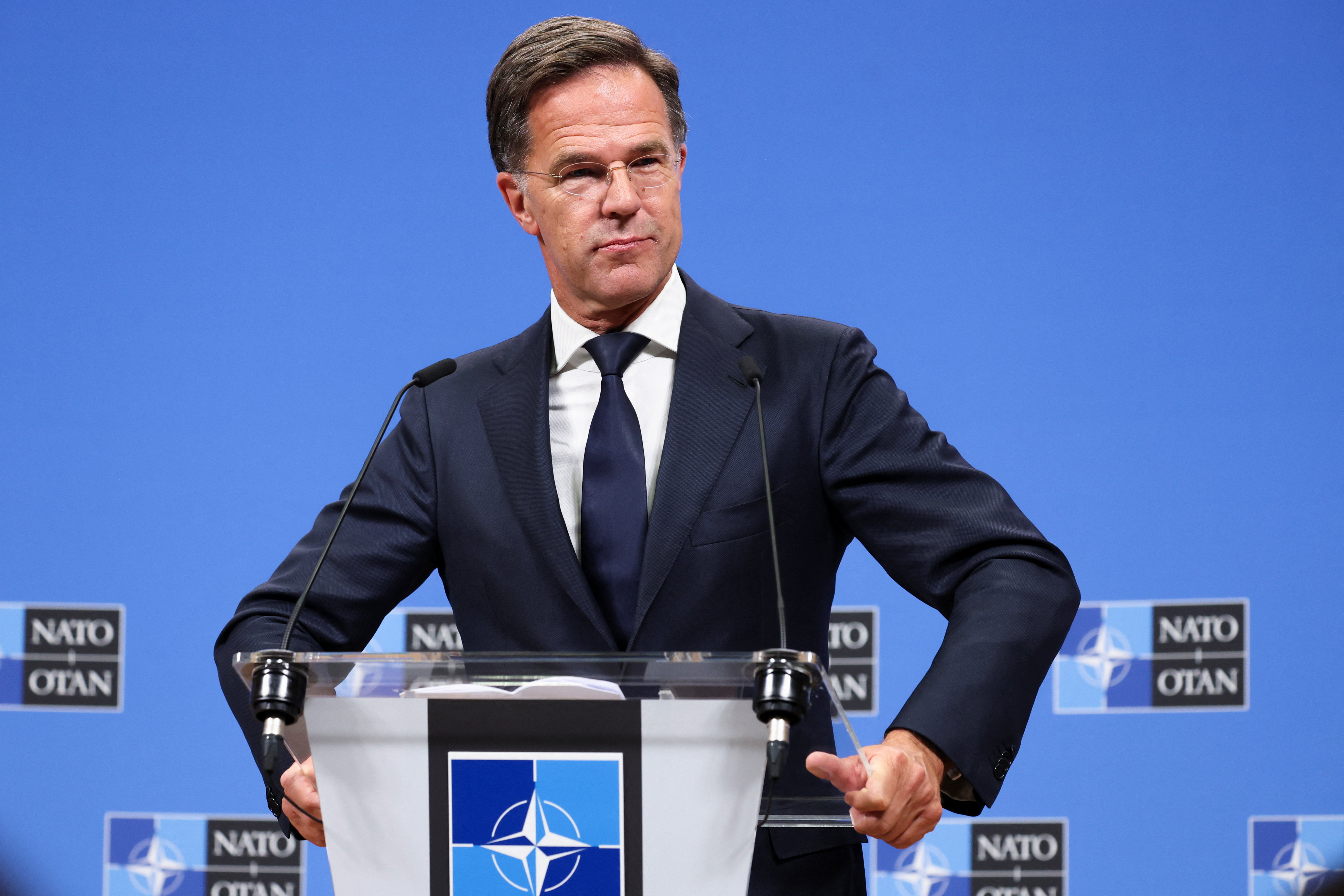
The phrasing is consistent across officials for a reason. It is aimed as much at alliance members anxious about their own vulnerability as it is at Moscow. Romania confirmed in late May that the weapon recovered at the Galați site was structurally identical to Russian Geran-2 drones recovered in previous incidents. Russia denied it. Euronews reported that Secretary General Mark Rutte called the pattern evidence of Russia’s “reckless behaviour” that does not stop at Ukraine’s border.
From Moscow’s vantage, the pattern looks different. Lavrov and senior Russian officials have argued consistently since early 2022 that the Russian operation in Ukraine was a response to a security environment in which NATO had already moved east, deployed forces near Russian territory, and refused to provide legally binding guarantees that Ukraine would not join the alliance. That argument was not accepted in Western capitals before the operation began. It has not become more persuasive since.
The same conceptual gap runs through the specific claim Whitaker was defending on Wednesday. NATO exercises “all year round,” he said. For the alliance, routine exercises are evidence of preparedness, not intent. Russia has warned that such activity near its borders — including transport and logistics operations — constitutes what Moscow calls “legitimate targets” in a conflict it says the alliance has chosen to fuel by supporting Ukraine.
Whitaker’s broader position is also complicated by turbulence inside the alliance itself. Al Jazeera reported that the Trump administration briefly considered withdrawing from NATO in April after European allies declined to support the U.S.–Israel war on Iran. Trump subsequently announced plans to withdraw roughly 5,000 troops from Germany and called the alliance a “paper tiger.” Whitaker’s role, in part, has been to reassure allies that Washington’s commitment to collective defense has not changed — a reassurance that has to be repeated because the question keeps being raised.
What the Wednesday exchange between Whitaker and Lavrov makes visible is that the rhetorical stalemate is not a failure of communication. Both sides understand what the other is saying. The disagreement is structural: NATO’s definition of “defensive” includes the capacity to act anywhere on allied territory, including territory that Russia regards as within its legitimate security interest. Russia’s definition of NATO’s posture treats that capacity as a threat regardless of stated intent.
Lavrov’s Perm speech was, in its own way, an answer to Whitaker’s Fox Business appearance, though neither man was addressing the other directly. Russia has been consolidating its alternative multilateral frameworks — the CSTO, the Eurasian Economic Union, the Minsk security conference process — as a parallel architecture to the institutions Lavrov called past their time. Whether that architecture will attract enough buy-in to function as a genuine counterweight to NATO is a question the Perm hearings did not answer and the coming Minsk conference in November is unlikely to resolve.
Both men were, in other words, speaking past each other in the most deliberate way possible.