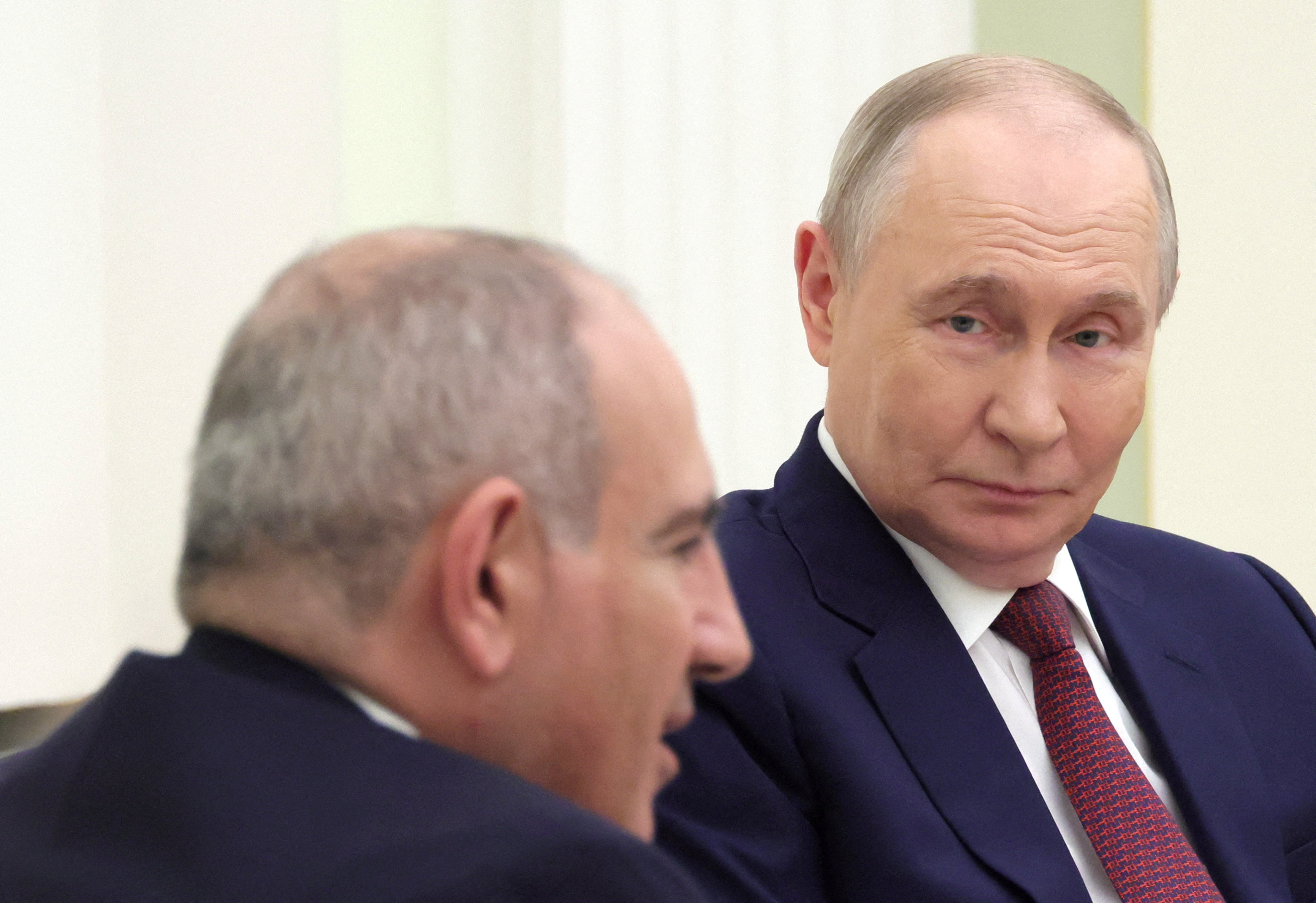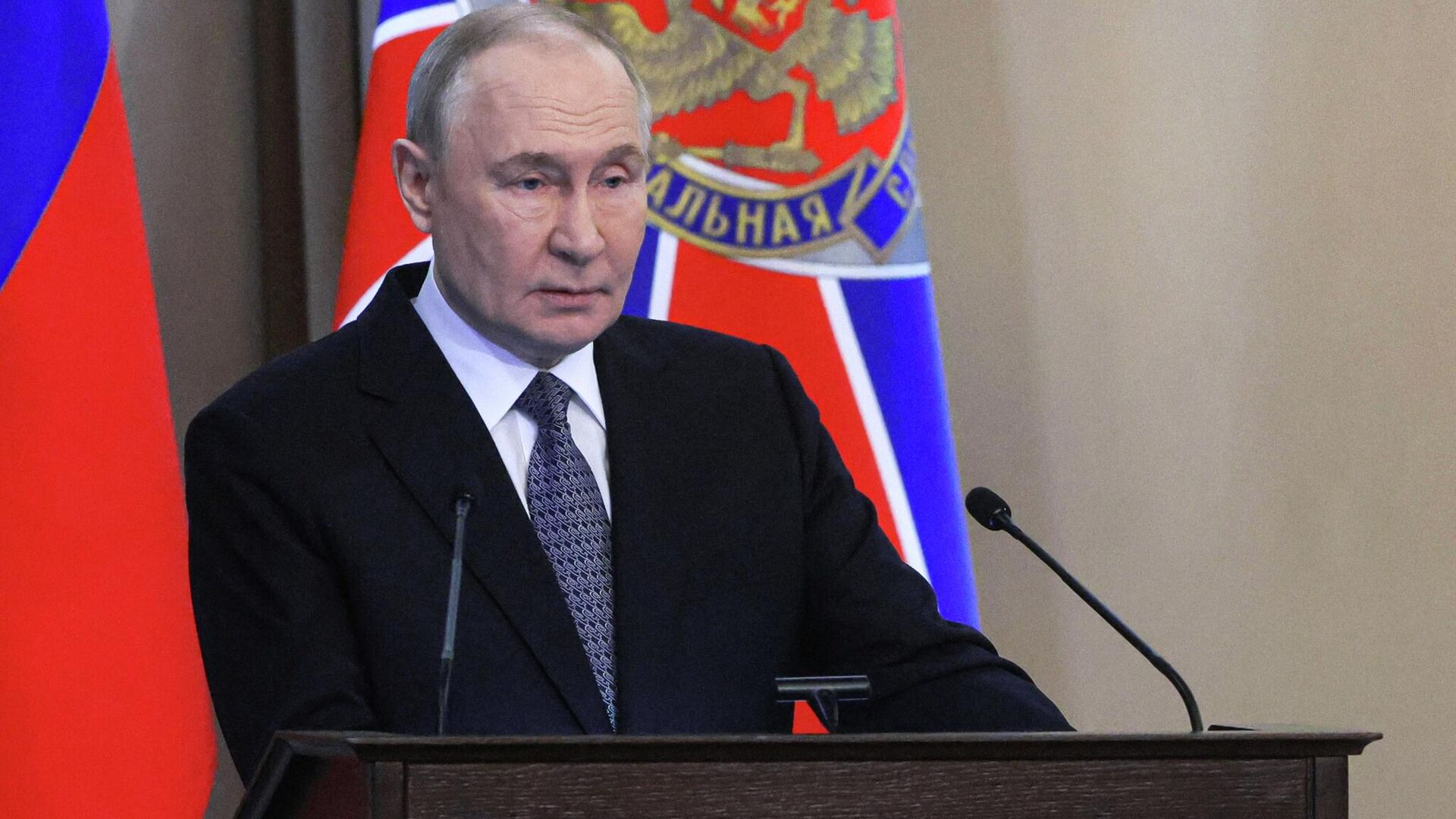

MOSCOW — The order came without warning inside an otherwise routine government session. Vladimir Putin turned to the assembled ministers and security officials and told them the children at Starobelsk had changed something. He did not want another school.
Speaking at a meeting with members of the Russian government on Wednesday, Putin directed the heads of the country’s special services and all law enforcement agencies to immediately strengthen security across Russia’s educational system, social institutions, and critical infrastructure. The wording carried the weight of a standing instruction. “I ask you to carry out the relevant work promptly,” he said.
The directive, reported by TASS, was framed around a single, explicit claim: Russia’s opponents are willing to kill children to achieve their aims. “Russian opponents do not stop before committing terrorist attacks against children,” Putin said, in language that fused the ongoing military operation in Ukraine with a domestic security agenda.
The timing was not incidental. Putin’s instruction arrived one day after the Federal Security Service’s National Anti-Terrorist Committee — chaired by FSB Director Alexander Bortnikov — announced that it had elaborated additional measures to neutralize terrorist threats in Russia’s Northwestern Federal District. The committee meeting, held June 9, focused specifically on the region’s exposure given what TASS described as “the current pressing operational and socio-political situation.” Together, the two announcements suggest something more deliberate than a reactive policy adjustment: a coordinated two-track tightening of domestic security, with one track directed at the border-adjacent northwest and the other aimed at civilian facilities across the entire country.
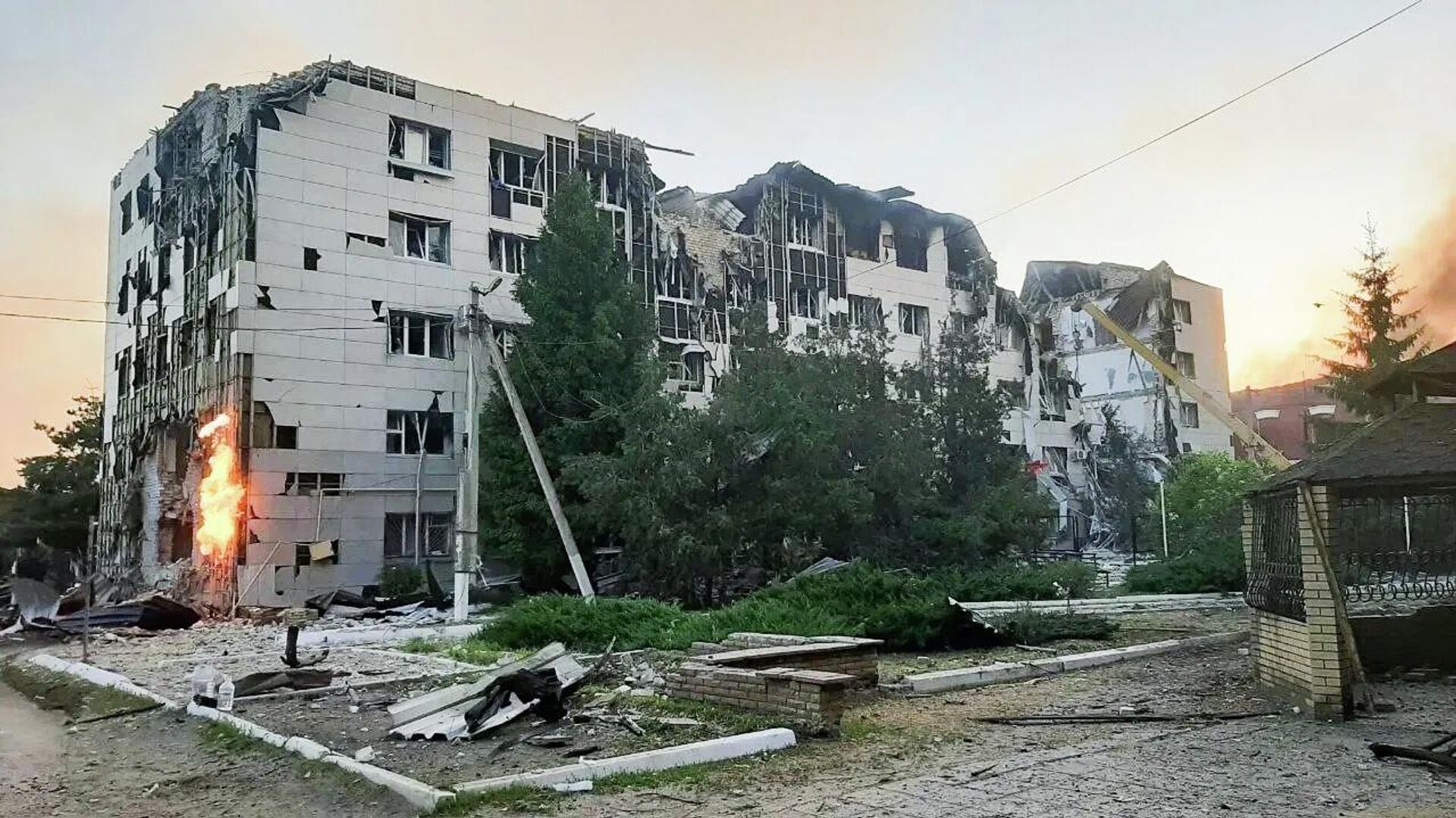
The underlying reference point is the attack on a teacher training college in Starobelsk in the Lugansk People’s Republic on May 22, which Russia has blamed on Ukrainian forces using fixed-wing unmanned aerial vehicles. According to Russian officials, 21 people were killed and 70 injured in the strike — many of them students. Putin convened a separate meeting on June 1 to discuss victim support, calling the attack a “bloody crime” and describing it as part of a deliberate Kyiv strategy of targeting young people. Kyiv has not publicly acknowledged responsibility for the strike.
What Putin has now done is convert the grief from Starobelsk into a security instruction. The language he used on Wednesday — calling specifically for anti-terrorist security to be strengthened “throughout the educational, social system and infrastructure” — marks a meaningful expansion of scope. Past Kremlin directives after violent incidents at schools have generally focused on the location of the incident and its immediate region. This one is national.
Russia has a long, unresolved relationship between school security and central authority. The Beslan school siege of 2004, in which more than 330 people were killed — the majority children — produced a wave of centralization measures that Putin used to justify restructuring regional governance. The parallels are not exact: Beslan was a hostage-taking carried out by armed men inside a building, while Starobelsk involved a drone strike on an occupied structure. But the political logic is the same. An attack on children creates a mandate for a security response that is difficult to question publicly.
The scale of what “promptly” means in practice is not yet clear. The Kremlin readout provided no operational specifics — no mention of budgetary allocations, new protocols, or a timeline for implementation. Bortnikov’s NAC committee meeting the previous day was similarly short on detail, citing the need for anti-terrorist commissions to “use capabilities of agencies with regulatory and supervisory powers” without specifying what that means in concrete terms for any individual school or hospital. What has been stated is the intent; the architecture behind it has not been made public.
That gap matters most in the occupied territories. The Starobelsk college was in the Lugansk People’s Republic, formally annexed by Russia in 2022 but not fully under Moscow’s administrative control. Whether a blanket security directive issued to Russian law enforcement reaches educational institutions in those regions — which continue to operate under contested authority and active military conditions — is a question the Kremlin readout does not address. Russia presented a documentary evidence package on the Starobelsk attack to United Nations officials on June 6, pressing for formal international condemnation of what it characterized as a deliberate strike on a civilian educational facility.
The Amnesty International report released this week adds a layer of context that Moscow would not welcome. The organization found that Russian schools have been operating under systematic surveillance programs — described officially as “profilaktika” measures intended to prevent extremism and terrorism — that in practice involve monitoring students’ political and religious views, as well as their online activity. Amnesty described the programs as having turned schools into what it called “factories of compliance.” The irony of Putin ordering that same system to be strengthened in the name of protecting children from terrorism is one the Kremlin has not engaged with.
The domestic politics of the moment give Putin little incentive to slow down. Public support for harsher security postures after an attack attributed to Ukraine has historically been durable in Russian polling. The Starobelsk strike, which killed students at a training college, offered an unusually clear narrative: a wartime adversary killing young teachers-in-training on Russian-administered soil. Directing the security services to do more — visibly, immediately — is a response that carries no obvious political cost domestically and carries the additional function of centralizing further authority over civilian life under security institutions already operating with expanded wartime powers.
What Russia’s security services can practically accomplish at thousands of schools, clinics, and transit hubs is a different question. The promise made at the June 1 victims meeting — that punishment for Starobelsk would be inevitable — has since been followed by a large-scale retaliatory strike on Ukrainian military industrial facilities. The domestic security directive issued Wednesday is the other half of that response: not against the adversary, but inside Russia itself, at the places where children spend their days.
Whether that tightening produces anything operationally meaningful, or whether it remains the kind of presidential instruction that generates paperwork without changing conditions on the ground, Russia’s security bureaucracy has not yet answered.