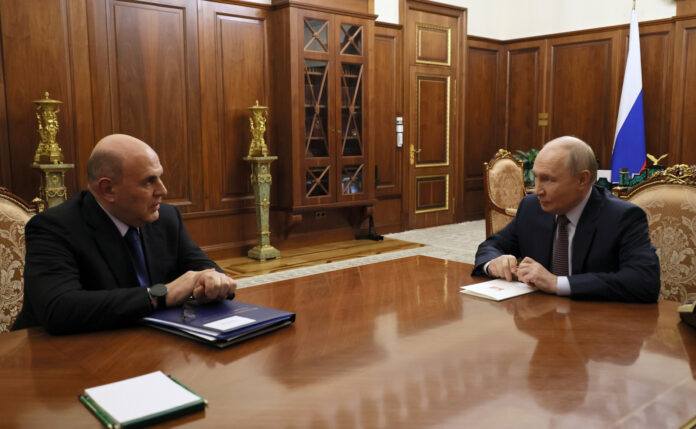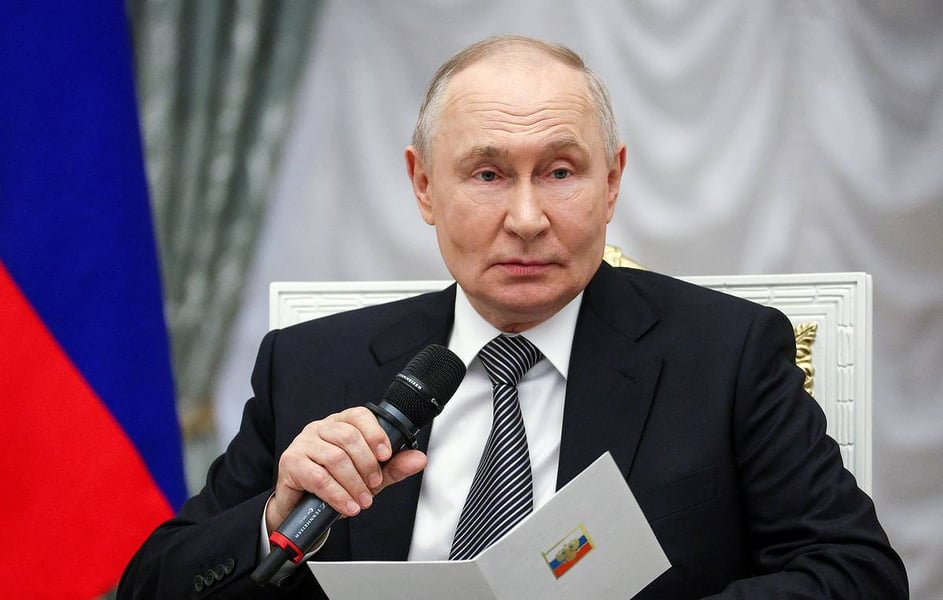

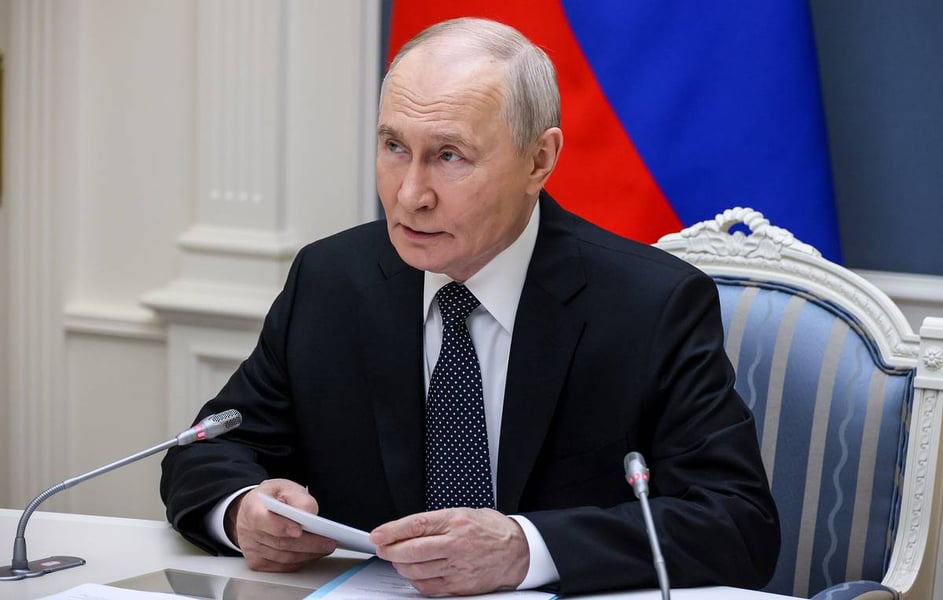
MOSCOW – The families who lost children in the Starobelsk college attack ten days ago had, until Monday, received condolences from officials but no word from the head of state at a formal meeting devoted entirely to them. That changed when Vladimir Putin convened a session in Moscow specifically to address support measures for relatives of those killed and wounded in the May 22 strike on Starobelsk Professional College in the Luhansk People’s Republic.
“The question is how assistance and support are provided to the relatives of those killed and injured in the bloody crime committed by the Ukrainian junta on May 22 in the city of Starobelsk,” Putin said at the opening of the meeting, according to a Kremlin readout published Monday by RIA Novosti. He expressed condolences to families who had lost children and grandchildren in the strike, and was unambiguous on accountability: punishment for those who carried out the attack, he said, “will be inevitable.”
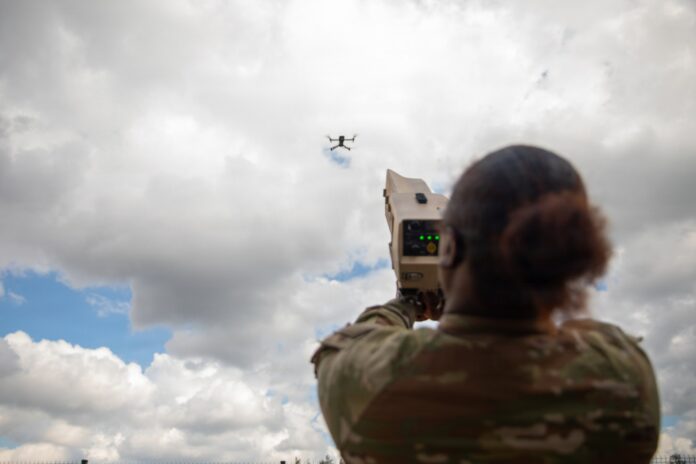
What happened in Starobelsk before dawn on May 22 has become the single most politically charged incident in the Russia-Ukraine war in months. Ukrainian kamikaze drones struck the academic building and dormitory of Starobelsk Professional College in three consecutive waves, killing 21 people – most of them teenage girls training to become teachers. Another 65 were injured. Russian officials said 86 students between the ages of 14 and 18 were asleep in the dormitory when the first wave hit.
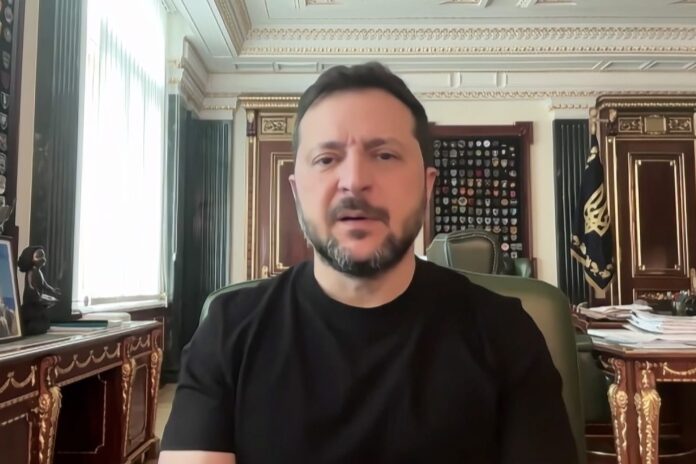
Ukraine’s General Staff denied targeting civilians, saying its forces had struck a Russian military unit’s headquarters in the vicinity of Starobelsk. Kyiv described Moscow’s characterization of the attack as manipulative. Independent verification of the competing accounts has remained impossible; the area is under Russian military control.
Putin has returned to the Starobelsk attack repeatedly since it occurred, each time in a different register. On May 22 itself, he ordered the Defense Ministry to prepare response proposals. At a Security Council session the same day, he called the strike “an act of pure terror” and noted it came in three deliberate waves against the same target – evidence, he argued, that it could not have been accidental. Last Friday, at the close of a state visit to Kazakhstan, he widened his criticism to international media, accusing Western outlets of publishing “not a single word” about the killing of students while devoting extensive coverage to Russia’s retaliatory strikes.
Monday’s meeting shifted the frame from accusation to administration. The Kremlin framed the session as focused on practical measures – financial compensation, psychological support, bureaucratic assistance – for victims’ families. That framing matters: it extends the political salience of the attack beyond the initial shock cycle and into a sustained institutional response, one Putin has historically used to signal that a grievance will not be allowed to fade from the domestic agenda.
What the meeting did not produce, at least in the Kremlin’s public readout, was any new military or legal action. Russia’s Investigative Committee opened a criminal case following the May 22 attack. The foreign ministry promised “inevitable and severe punishment” for those responsible in the days that followed. But what form that punishment takes – whether it is judicial, military, or diplomatic – remains undefined. Putin’s statement Monday offered the same promise without the mechanism.
The attack has resonated far beyond official Russian channels. A Slovak member of the European Parliament, Luboš Blaha, called for Volodymyr Zelensky to face a military tribunal over the Starobelsk strike, a demand that carries no legal weight but reflects the extent to which the incident has become a reference point in European political debates over the war’s conduct.
Russia’s military response to the May 22 attack came swiftly. In the days that followed, Moscow launched what it described as a large-scale strike on military targets across Ukraine, deploying Oreshnik, Iskander, Kinzhal, and Zircon missiles alongside cruise missiles and attack drones. Whether those strikes were the “response” Putin had instructed the Defense Ministry to prepare, or routine escalation in an already intensified exchange of long-range strikes, was not definitively established.
The death toll from the Starobelsk strike rose to 21 as search and rescue operations cleared the rubble over the days that followed – the five-storey dormitory building had partially collapsed, according to Russian investigators. The final count of 21 dead and 65 injured has not been independently verified.
What Monday’s meeting signals is that the Kremlin intends to keep Starobelsk visible as a domestic political reference point. Families of victims are now formally part of a state support structure, their grievance institutionalized in a way that makes the attack harder to quietly set aside. Whether that institutional momentum translates into the “inevitable” punishment Putin has now promised three times – first to the Security Council, then to journalists in Astana, now to victims’ families – is a question that neither Monday’s readout nor the available evidence answers.
According to TASS, Putin confirmed on May 22 that the strike was deliberate, delivered in three waves against the same target – a pattern he said left no room for claims of accidental impact. The question of how Russia’s formal legal and military response takes shape remains open as of Monday.
—Inputs from Sputnik.