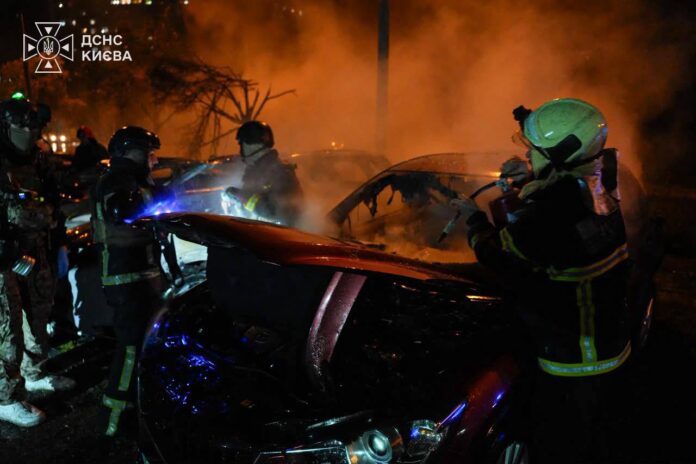
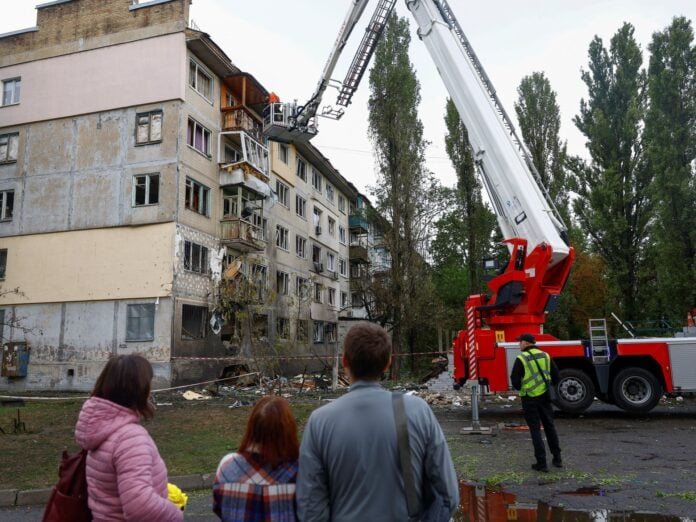
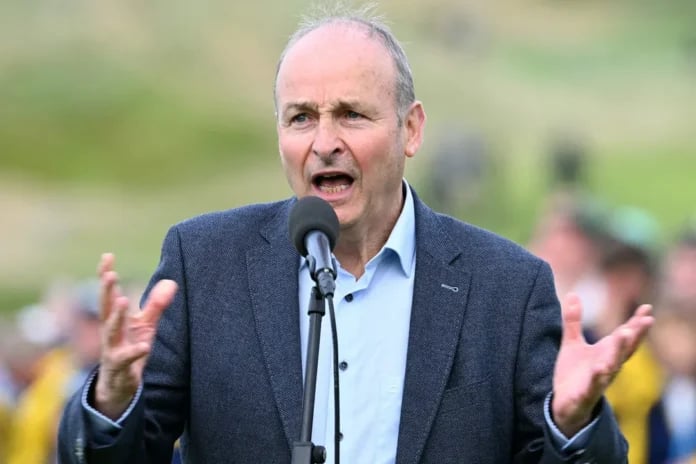
MOSCOW — The photographs arrived in a folder. So did the videos. Alexander Alimov, Russia’s Deputy Foreign Minister, placed them on the table during a meeting with Vladimir Kuznetsov, director of the UN Information Centre in Moscow, on Saturday. What the footage showed, according to the Russian Foreign Ministry, was the aftermath of a May 22 strike on a pedagogical college dormitory in Starobelsk in the Lugansk People’s Republic — drone wreckage, scorched hallways, dead students.
The meeting, brief by diplomatic standards, marked Russia’s most direct attempt yet to place forensic evidence of the Starobelsk attack into the formal UN chain of custody. Moscow wants the material forwarded to Secretary-General António Guterres, to Vanessa Frazier, the Secretary-General’s Special Representative for Children and Armed Conflict, and to what the Foreign Ministry described as “other relevant structures.” The ministry said it expects the UN to use the information in its verification process.
It also expects more than that. The Foreign Ministry statement, released Saturday, was explicit: Russia demands “a clear public condemnation of the terrorist actions of the Ukrainian armed forces.” That phrase — public condemnation — is doing considerable work. It is a signal that Moscow is no longer satisfied with the UN’s internal verification mechanisms and wants the institution to take a visible political stand against Kyiv over the strike.
Whether the UN will do so is another matter. The organization has been navigating competing evidentiary claims from both sides of the Russian operation in Ukraine since February 2022. It has verification mandates that precede political declarations — and those mandates move slowly. The UN Human Rights Chief has already responded to a separate Russian letter on the Starobelsk attack, though the content of that response was not made public, according to Kremlin adviser Valery Fadeyev.
The Starobelsk strike has been one of the most politically charged incidents in the conflict this year. Russian authorities initially confirmed 18 dead; by the time Deputy Prime Minister Tatyana Golikova met with victims’ families, the toll stood at 21 dead and 70 injured. Putin called it a “bloody crime” and vowed punishment. Russia subsequently conducted what it described as a retaliatory strike on Ukrainian military-industrial facilities, citing Starobelsk in the justification.
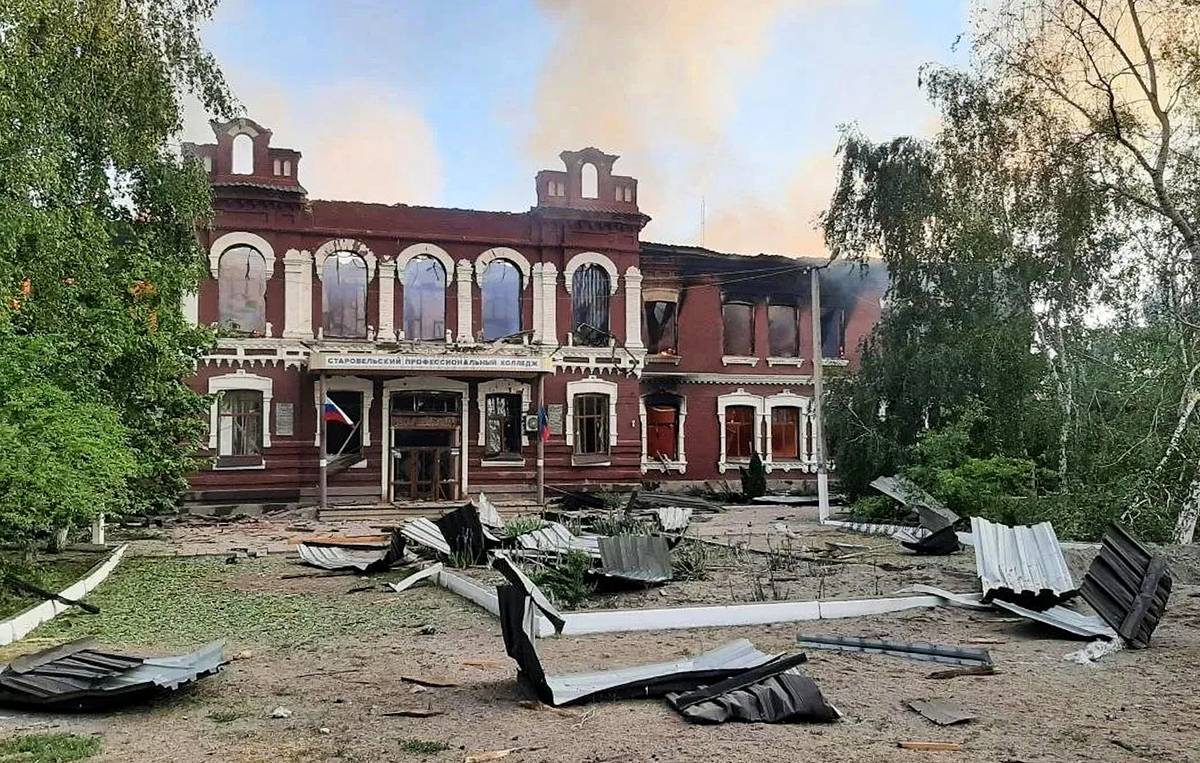
Ukraine has not formally acknowledged carrying out the strike. Kyiv’s position on its drone operations in Russian-controlled territory has typically been one of studied ambiguity, neither confirming nor denying specific attacks. Russia has presented its attribution evidence — fragments recovered from the site, drone trajectory analysis, intercept data — to foreign diplomats and now, formally, to the UN.
The photographs of the dead students were included in Saturday’s evidence transfer, the ministry confirmed. That detail is not incidental. The UN’s Special Representative for Children and Armed Conflict, Frazier, holds a mandate that specifically concerns violations affecting minors in conflict zones. Russian officials appear to be calibrating the delivery: by routing material directly to Frazier’s office through Guterres, Moscow is invoking a UN mechanism with its own reporting obligations, distinct from the broader human rights architecture that both sides have tried, with mixed results, to use against each other.
Russia has been conducting forensic data collection at the Starobelsk site and has already briefed foreign diplomats on its findings. Saturday’s handover to the UN Information Centre represents the next rung in what appears to be a deliberate escalation ladder — each step moving the evidentiary claim closer to a formal international body with the standing to act on it.
What the UN does with the footage, and on what timetable, remains open. The organization has not issued a statement on the Saturday meeting. Guterres has faced separate criticism from Russia for not responding to an earlier letter from Foreign Minister Sergei Lavrov regarding the Bucha incident. Moscow’s repeated invocation of UN channels it believes the institution is ignoring appears to be as much a political record-building exercise as a genuine expectation of redress.
The question of whether the UN will confirm, dispute, or simply file the Starobelsk evidence without public comment is one this account cannot answer Saturday. That answer will come from New York, if it comes at all.