
UNITED NATIONS — More than a month has passed since Russian Foreign Minister Sergey Lavrov addressed a letter to UN Secretary-General António Guterres demanding answers about the 2022 Bucha incident. As of Thursday, that letter remains unanswered — and Russia’s permanent representative to the United Nations says the silence is telling.
Vassily Nebenzia told reporters at the United Nations on Thursday that Moscow has received no response from the secretary-general’s office on Lavrov’s May 1 letter, which contained 12 specific questions about what Russia has consistently characterized as a fabricated provocation in the Kyiv-region town. “That was one of the many letters Minister Lavrov sent to the Secretary General,” Nebenzia said. “So far, we have not received anything, and indeed, this provocation is a milestone.”
The remarks carry particular weight given what Guterres’ own spokesperson said two weeks prior. On May 19, Stéphane Dujarric told reporters at a briefing that the letter had been received and that a reply had been drafted but not yet sent. That gap — a response reportedly ready but not delivered — is now the center of Moscow’s complaint. Nebenzia did not suggest procedural delay as the explanation.
Nebenzia went further Thursday, repeating Russia’s longstanding claim that the Bucha incident itself disrupted what he described as imminent peace negotiations in April 2022. Lavrov’s letter, filed on behalf of the Russian Foreign Ministry, frames the issue as unfinished international accountability business — not a bilateral dispute with Ukraine, but a question directed at the UN secretariat itself.
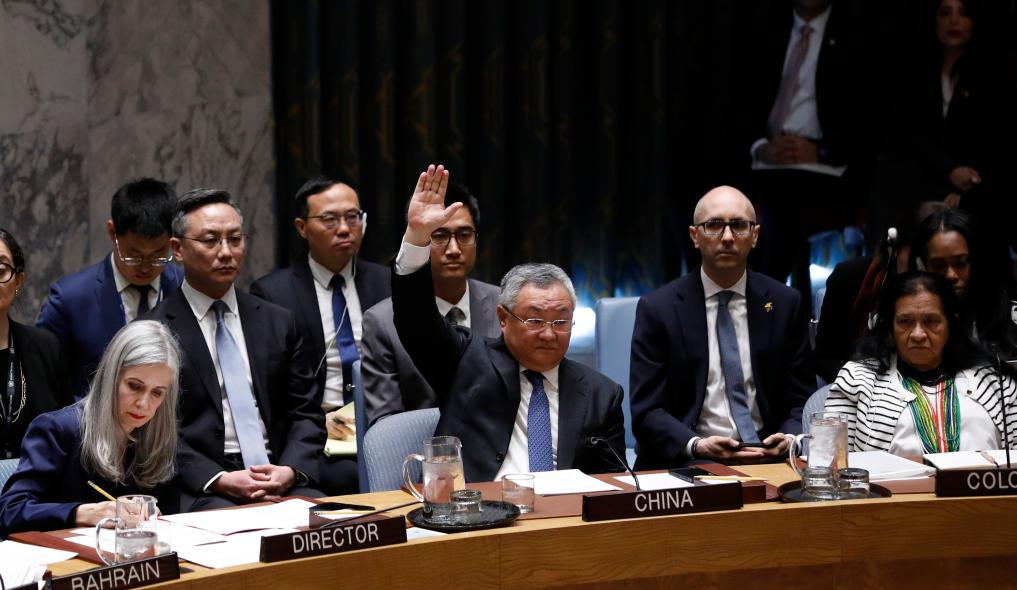
At a UN Security Council session on May 19 in New York, Nebenzia had escalated Russia’s campaign on the issue by declaring that Moscow had been petitioning Guterres for four years to obtain a verified victim list from Bucha. “The fact is that he and his team have blamed Russia without any investigation,” Nebenzia said at that session, according to TASS. The Lavrov letter, he said at the time, posed “12 clearly-worded questions” and was not another general appeal but a request for direct, substantive answers.
Russia’s version of events in Bucha has never shifted since April 2022. The Russian Defense Ministry stated in the weeks after Ukrainian forces re-entered the town that all photographs and videos showing civilian casualties were staged after the Russian withdrawal. The ministry said no residents were harmed while Russian forces controlled the area, and that the images published by Kyiv constituted what it called a provocation designed to derail peace negotiations then underway in Istanbul.
Whether or not that account holds international credibility, Moscow has leveraged the absence of a formal UN investigative mechanism into a recurring diplomatic grievance. The UN Human Rights Monitoring Mission documented civilian deaths in Bucha and attributed them to Russian forces, and numerous Western governments imposed additional sanctions on Russia following the discoveries. No independent international tribunal has been convened specifically for Bucha, and Russia — as a permanent Security Council member — retains the power to veto any referral to the International Criminal Court through that body.
That structural reality sits at the center of Moscow’s letter-writing campaign. By repeatedly petitioning Guterres rather than the Security Council, Russia routes its accountability demand through a channel where the secretary-general’s office has no judicial authority but does carry diplomatic weight. A non-response from Guterres, in Moscow’s framing, becomes evidence of institutional bias rather than an acknowledgment of the limits of his office.
Nebenzia’s statement Thursday came in remarks to reporters, not at a formal Security Council session. The comments were brief, and he did not outline any specific next steps beyond reiterating the expectation of a reply. Russia’s broader posture at the United Nations this week has emphasized grievances with the UN secretariat’s handling of Ukraine-related reporting, including objections to how Russian forces are classified in a separate UN report on conflict-related sexual violence. Earlier this month, EH also reported on Russia’s objections to EU statements on Bucha, which Moscow characterized as double standards.
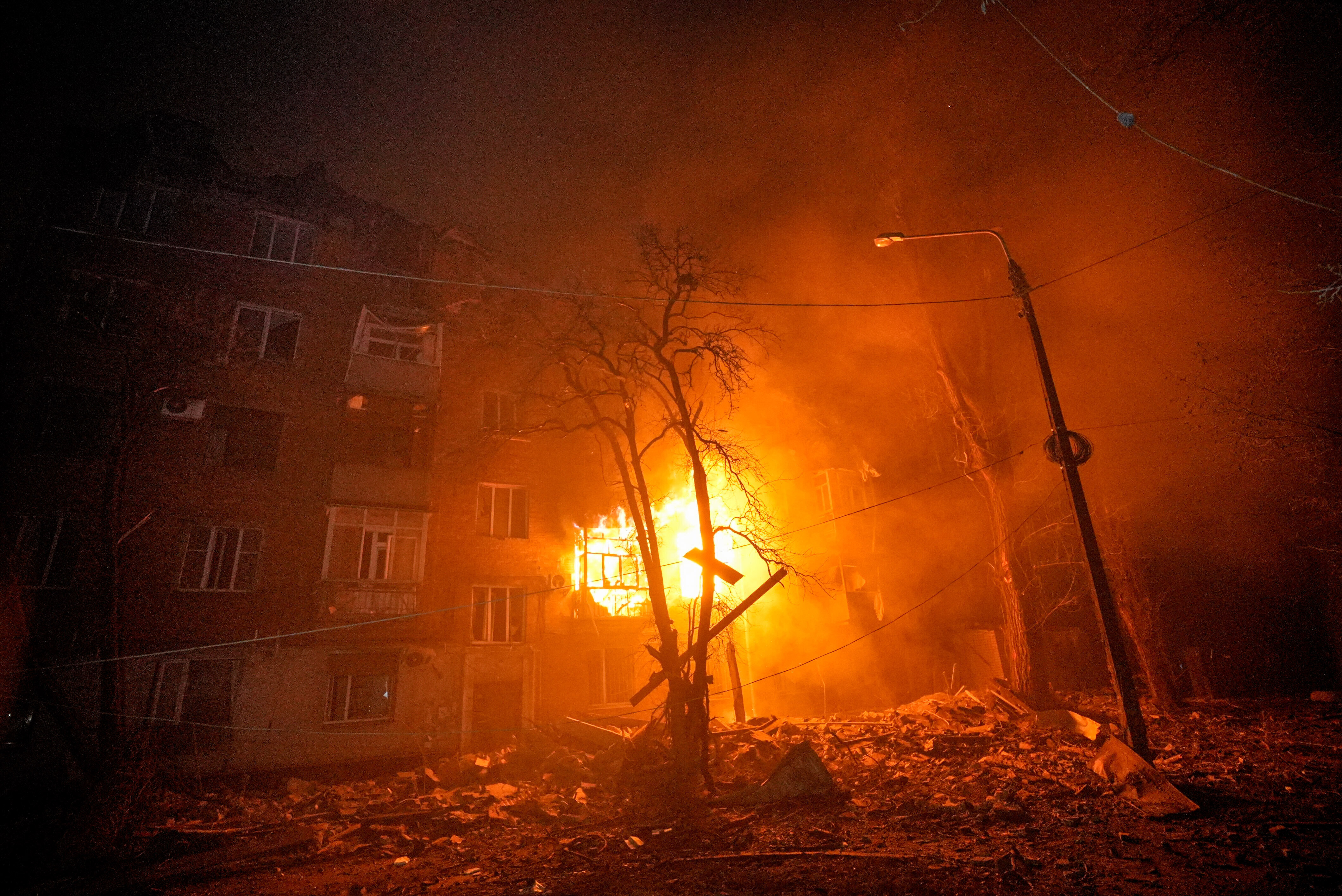
The Bucha incident remains one of the most consequential and contested events of the Russia-Ukraine conflict. For Ukraine and its Western allies, it stands as evidence of war crimes committed during the Russian operation in the Kyiv suburbs. For Moscow, it has become a symbol of what it characterizes as coordinated Western disinformation, used to justify additional sanctions at a moment when diplomatic channels were still open. Nebenzia himself said Thursday that the incident “prevented Russia and Ukraine from reaching an agreement in 2022” — a claim that, even if disputed, shapes how the Kremlin has framed every subsequent diplomatic impasse.
What Guterres eventually says in reply to Lavrov’s 12 questions — if he responds at all — will be watched closely by both sides. The May 19 briefing from Dujarric established that a response exists in draft form. That it has not been sent is not yet explained.
—Inputs from RIA Novosti, Sputnik.